One of South America’s most stunning places and home to the refreshing caipirinha, endless churrasquerías, white-sand beaches, immaculate rain forests and of course, the undeniably beautiful sun kissed bodies. Like most who have not yet visited the country of Brazil, we were eager at the mere thought of having this on our agenda. This is, after all, the exotically attractive destination of which we all spot in travel magazines, see in movies and perhaps even dream about (for those of us who do that sort of thing). For us, there was also a sense of curiosity because we had been mistaken for Brazilians ever since we started our travels. For the record, neither of us speaks nor understands Portuguese. Luckily for us, Spanish and English are accepted equally.
We arrived in the country at about midnight and like most first timers, were a bit skeptical about taking a taxi this late given the safety issues we were warned about prior to our visit. In fact, we had heard horrible things about Rio and the truth is, most are true. So, the trick is to take care of your belongings, don’t carry too many valuables and be mindful of your surroundings at all times. It’s obviously not rocket science and should be a practice everywhere you go. For us world travelers, we don’t carry much, never look flashy and hardly ever go looking for trouble. Thankfully, we have no incidents to comment on thus far and truthfully, we found the locals to be rather friendly and helpful. Our goal is to go with the flow of the people and in this country it’s all about making the most of each day and living the good life. 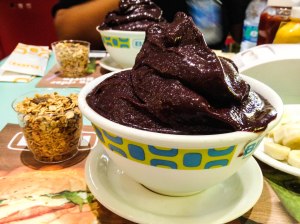
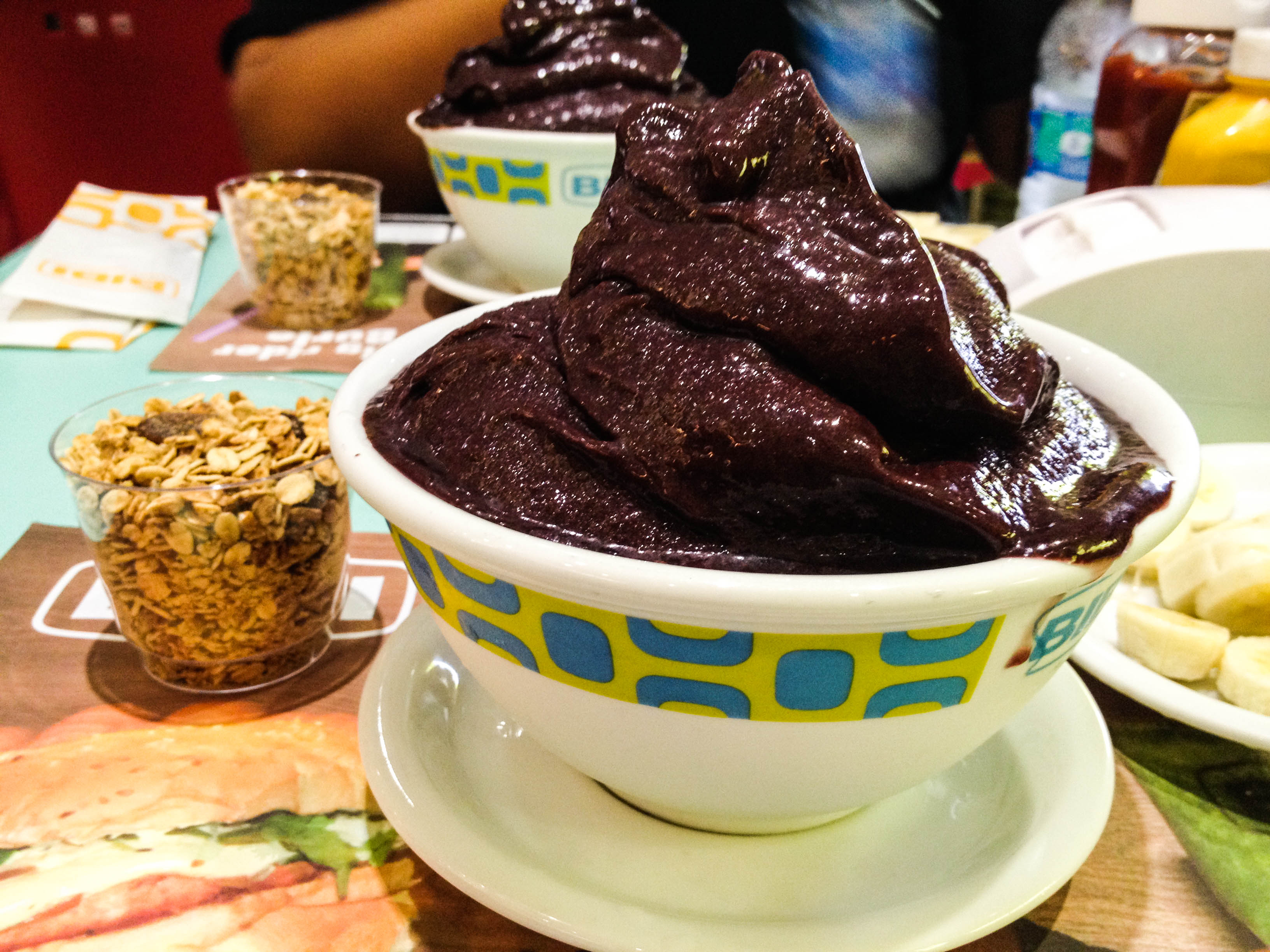
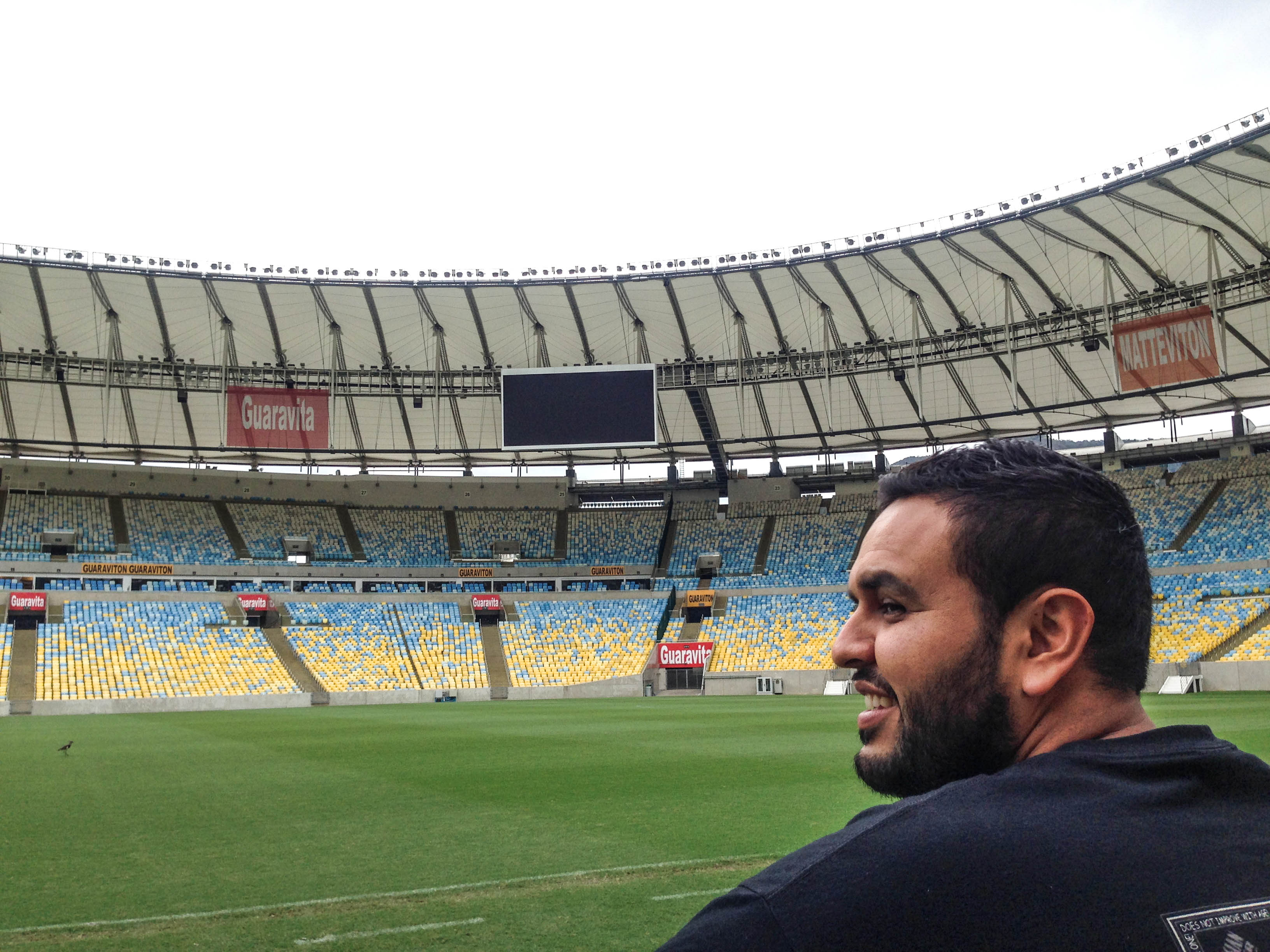
Our days in Rio were relaxing and normally began with a large Açaí Tigela (Acai bowl) from the nearby and popular restaurant BIBI. In addition to the famous Brazilian steakhouses, which we found to be better in Argentina, the deep purple blueberry type frozen acai bowl is a traditional Brazilian phenomenon. The bowl is usually topped with banana and granola and definitely deserves all the hype, as it is absolutely delicious. After a fully satisfied appetite on a particular Sunday morning, there was not much left for the imagination as we walked out of the restaurant and strolled the streets of Copacabana. People lying half naked on the beach, Futevôlei (combination of beach volleyball and soccer) that is worth watching, beach bars serving fresh drinks and walks on the beach with incredible sand sculptures and views of sugarloaf mountain. Inspired by this vibrant city full of life in color, we began to check off some bucket list items.  Once, the world’s largest soccer stadium with record-breaking standing capacity, and currently the most iconic stadium in South America, Maracanã abides in the center of Rio de Janeiro. For safety reasons, the stadium is now a sitting venue but still remains the mecca for soccer in Brazil. Our Maracanã experience was nothing less than impressive. Getting there from Copacabana was simple thanks to the city’s top of the line Subway which stops directly in front of the stadium. We started with a tour of the locker rooms where jerseys from different players of the 2014 World Cup were displayed. We continued towards the tunnel leading to the magnificent field where breathing becomes heavy after thinking of all the legends that dribbled a soccer ball in that same stadium. Legends like Garrincha, Zico, and Pele. To stand here, imagining the crowd cheering with relentless passion for the sport that represents the country of Brazil and so many others worldwide is just surreal. Weather a soccer fan or not, this stop is a must.
Another memorable experience consisted of visiting the obvious tourist attractions: Christ the Redeemer Statue, Sugar Loaf Mountain and the Sambódromo (carnival parade stadium in Brazil where samba schools parade competitively each year). As we made our way to these world wonders, it was impossible to ignore the colorful hillside Favelas (a slum or shanty town in Brazil; predominantly in Rio and São Paolo). Perhaps just as famous as some of the city’s top tourist attractions, Favelas are becoming more attractive because they provide a completely different perspective to the cultural reality of Brazil. Although we did not visit a favela, we are interested to learn more about these developments and compare with what we have seen and will continue to see in other countries. We hope to share some insight in future blog posts.
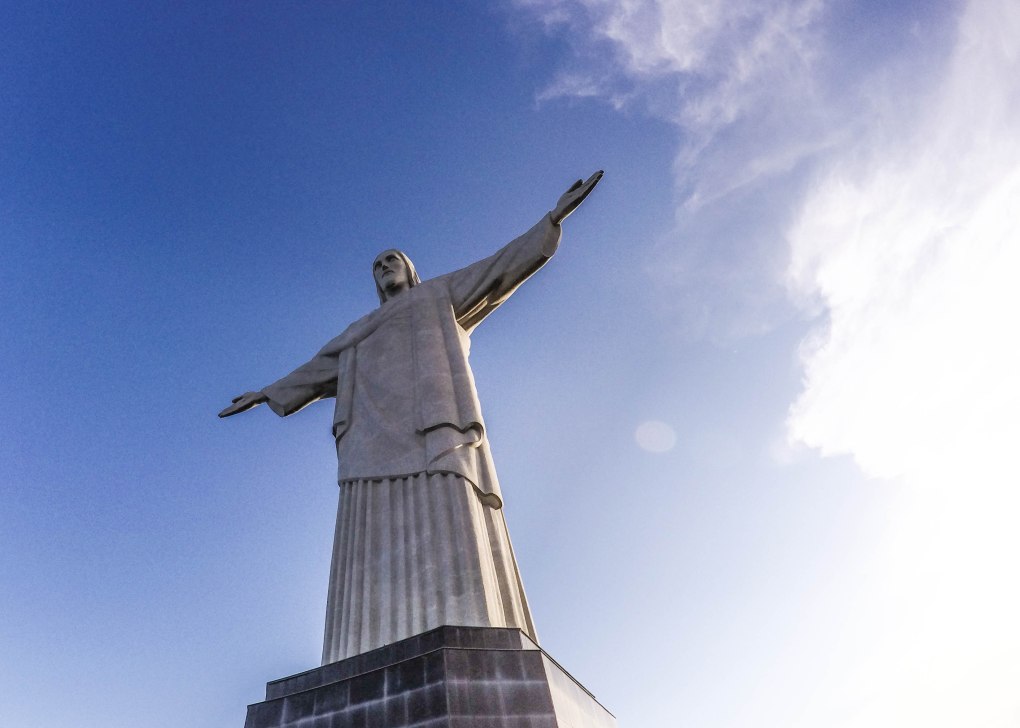
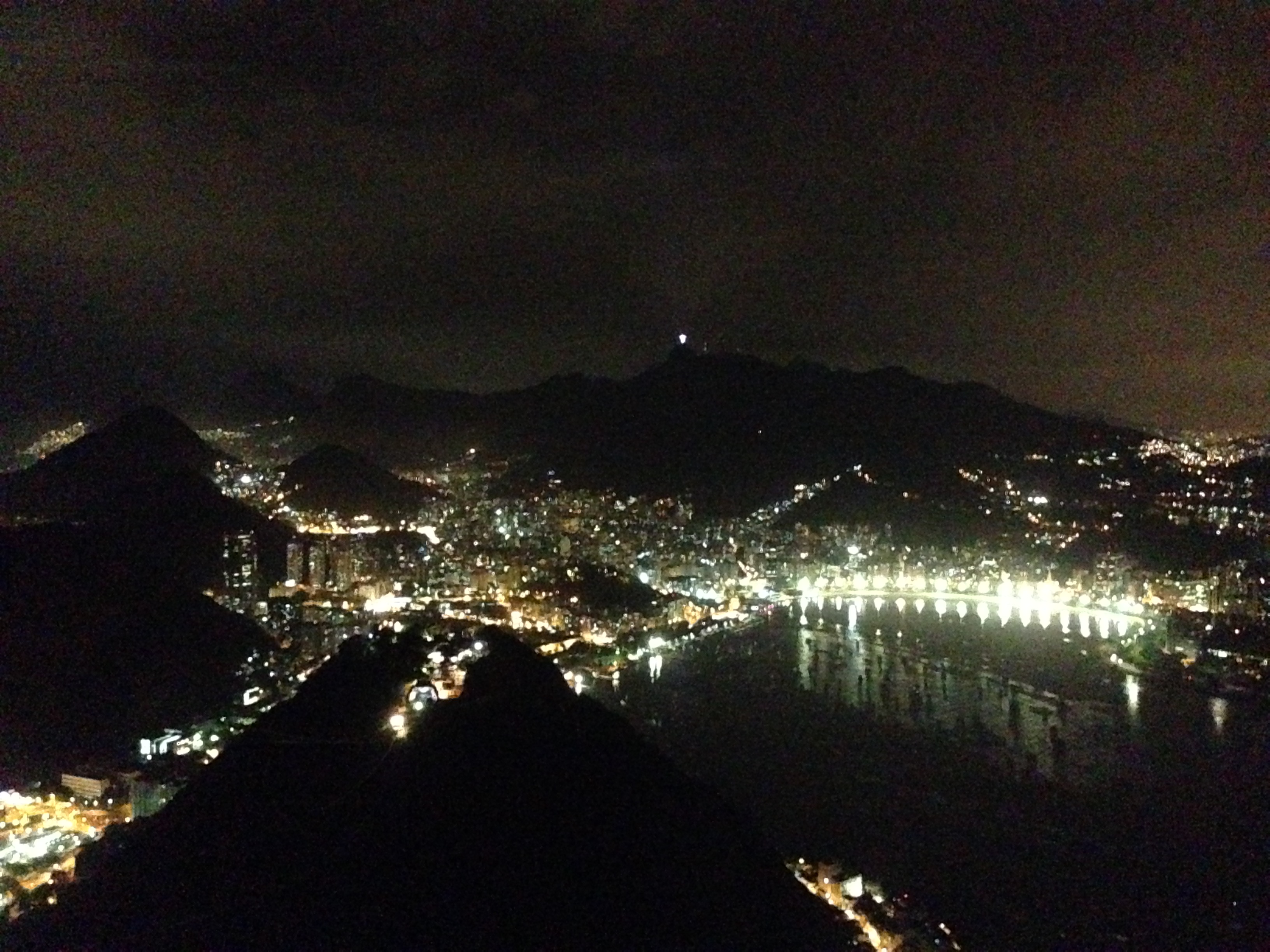
 Christ the Redeemer was absolutely stunning! Much bigger than we had imagined and truly a beautiful work of art that overlooks the January River (Rio de Janeiro). There are three ways to reach the statue on Corcovado mountain: train, hike and car. We went up by car and spent some extra time at the café on top, enjoying a bowl of acai and overlooking the man himself. We would say this was the highlight of the trip, but unfortunately the spectacular views from Sugar Loaf Mountain and the cable car experience certainly act as a competitor. Somehow, we managed to make it to Sugarloaf at sunset and spent an evening staring over a beautifully glowing city from the top of the mountain.
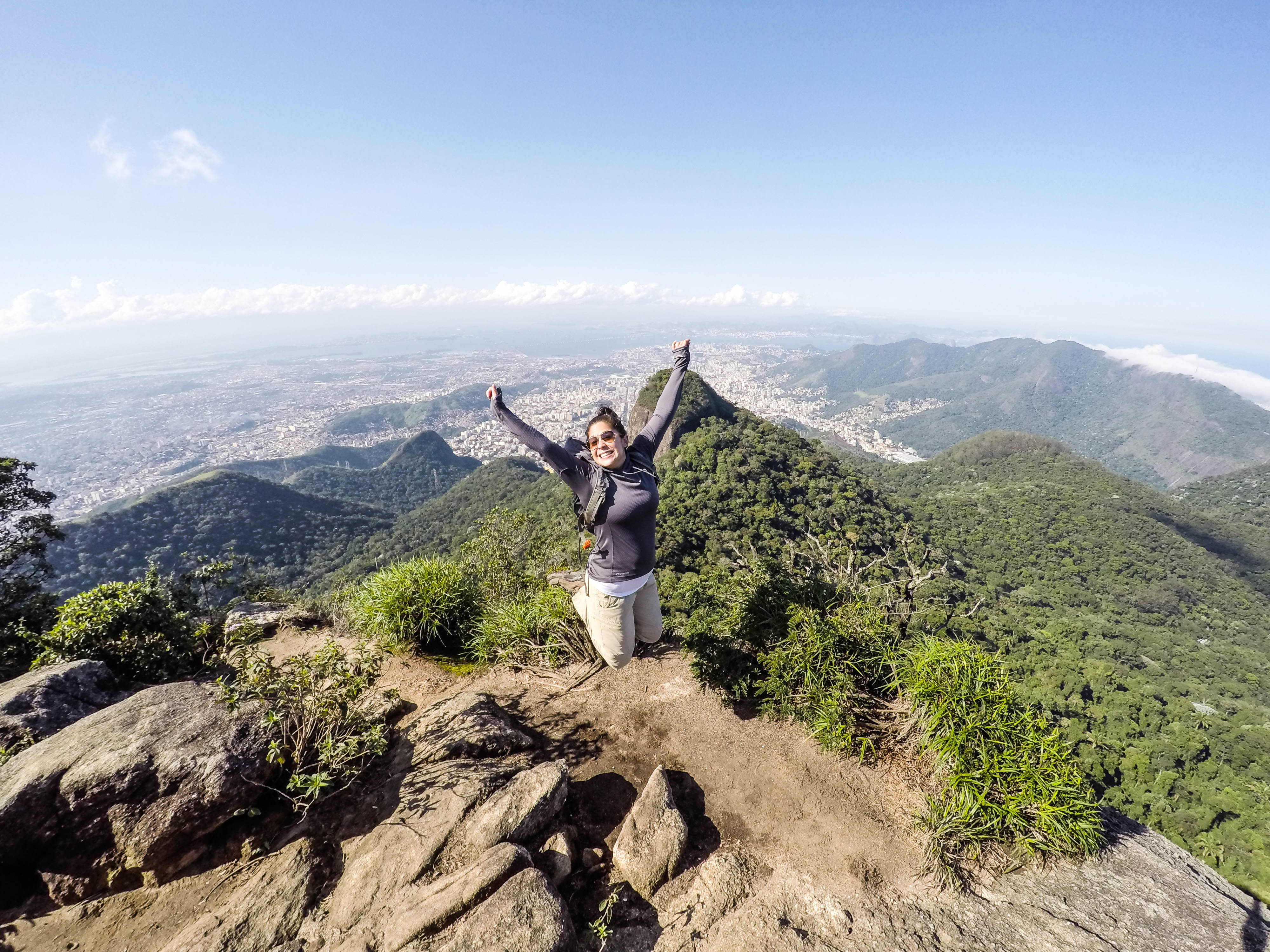
Although these top tourist attractions have earned their respective stars on trip advisor and lonely planet, the main highlight during our time in Rio was an 8-hour hike in the Tijuca tropical rain forest and National Park. Sounds absolutely nuts right? Well, it was. The hike itself was not a walk in the park. It was physically challenging and we couldn’t have done it without an expert guide who led us to some of the highest peaks. The Tijuca Forest comprises the largest urban forest in the world and is considered a World Heritage Site. While the forest provides a combination of waterfalls, plants, flowers, birds, viewing platforms, trails, insects, spiders, snakes, exotic wildlife and much more, the panoramic views of the city from up above are absolutely unreal and make the visit that much more memorable.

Rio de Janeiro was a wonderful introduction to the country of Brazil and has left a long lasting impression. We are eager to experience more of this beautiful country and look forward to our return.
Fun fact: Cindy was stung by a bee twice in one day, nearly ended up in a hospital due to an allergic reaction and was two seconds short of being hit by a public bus.
To see more pictures visit the photo gallery (click here).


 This is Life in Color