
Much to our surprise, the window seat passenger never showed up. In fact, the immaculate and massive Emirates Boeing 777 plane had many seats available. Every other row had a few empty seats and our initial thought was, “Oh no, no one is going to Africa”. We immediately focused on the crime rate in South Africa, Cape Town in particular, and even the health risks associated with our visit given the tragedies in West Africa and the masses that were affected. We talked about this and dwelled on it a bit more than we should have. Though, you can’t blame us. Being first timers in Africa automatically implies that we were carrying everything the media and those around us had engrained in our minds forming such perceptions. We got over it as soon as we smelled dinner coming down the aisles and realized our empty plane allowed economy passengers like ourselves, first class privileges. Some of us took up three seats and rested comfortably. “Some of us” enjoyed it. This 10-hour direct flight from Dubai did not seem all that bad after all.
We had South Africa on the journey with a three-week stay and like most other stops, had no pre-arranged plans. Although, our host recommended we hire (rent) a car upon arrival as public transportation is not effective at all hours of the day and throughout the city. So, because it was foreign to us, we did as we were told. We had a car throughout our entire stay and found it convenient to come and go as we pleased. After all, the last time we had a car to ourselves was in Puerto Rico back in February. The roads in South Africa were amazing and no different than any major city back at home. In fact, we found road signs to be even better. We traveled quite a bit to and from the Mother City (Cape Town) and not once had a problem.
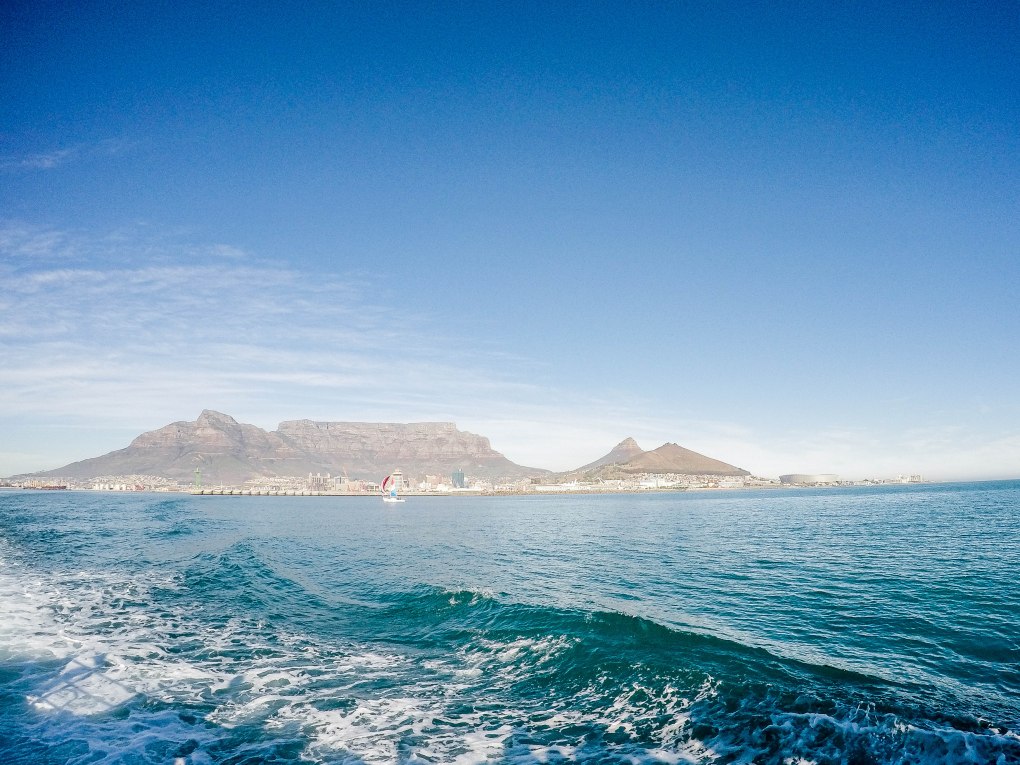
Now, this doesn’t mean I was not at the edge of my seat the entire time thinking we were going to hit the curb or the car adjacent to us. Truthfully, it wasn’t an issue driving on the roads. It was simply our sense of direction and habit that we found to be the greatest struggle. This was our first time on the left side of the road and on the right side of the vehicle. Side note: there are “parking attendants” on every block no matter where you happen to be. Most “attendants” say they have been looking over your car for hours when in fact, they have not. Either way, it is not recommended to give them more than five rand if you give them anything at all. If it’s somewhere you are likely to return we would recommend making a small donation. Also, broken windows are very common if anything valuable is displayed in the car. 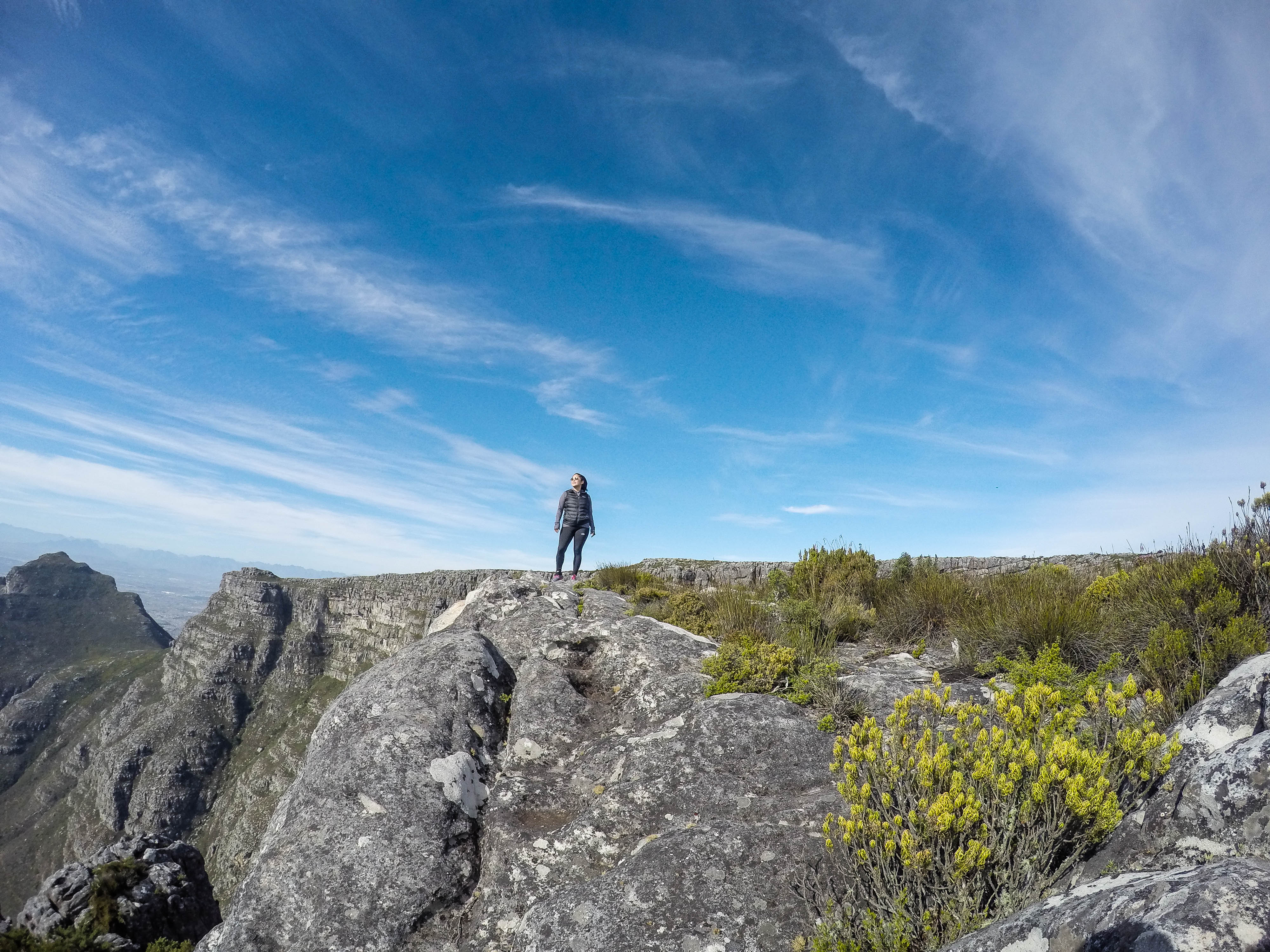 The house and host we stayed with could not have been better. The Victorian style home is situated in a prime location overlooking the natural wonder that defines the city, Table Mountain. This soaring flat-topped mountain, and main focal point throughout the city, is absolutely breathtaking and draws you in entirely. This is definitely something you must see for yourself to understand how incredible it truly is. Words and pictures do not do it justice. Taking a cable car up the mountain and walking at the very top with views that are beyond anything you’ve ever seen is quite special.
If that wasn’t enough, we were so lucky to walk approximately 30 feet from the house to enjoy delicious eggs Florentine and coffee (tea for me of course) at our favorite cafe Licorice and Lime, which overlooks this gorgeous mountain. Here, they knew us by name. Across the street from this gem is the Italian rest aurant Bacini’s and down Kloof Street is Cafe Paradiso with outdoor garden dining. The list goes on and on when it comes to cafes and restaurants in Cape Town. We were surprised at how much more value the USD had over the South African Rand. Meals, drinks and all averaged anywhere from 10-30 USD at the most and were incredibly delicious. In fact, most nights we had dinner for less than 17 USD (23 if we added a wine bottle on those special nights).
On that note, we must discuss the wine. After a few days, we eventually built up enough strength to leave the magnetic views of Table Mountain and the Cape Peninsula behind. Not an easy thing to do. The beauty of this country is that it doesn’t really matter which direction you choose to drive because they all lead to the next equally as stunning and yet different landscape. At only thirty minutes to an hour away you are introduced to South Africa’s stunning wine country. Whether it’s the historical and charming Constantia wine route, or the picturesque Stellenbosch route, there is a wonderful selection of wines. We took a few day trips and enjoyed fantastic and affordable wines. Why is wine so expensive in the United States? We thought Argentina offered bottles at an unbelievably low rate, but South Africa was even cheaper. Let us put this in perspective. The first wine farm we visited was in Constantia, which offered eight wine tastings for 3.50 USD. No, that’s not a typo. The wines, both white and red, some were award winners and some not. Even so, there was not one bad wine! This goes for every winery we visited in South Africa. Now, we’ve done many wine tastings and this is quite rare. So, since it was early in the day we decided to purchase one bottle of their beautiful Sauvignon Blanc. I hope you’re ready for this. The bottle was 4 USD! Wait, there’s more. The tastings were not charged because there was a bottle purchase. What more can you ask for? Our favorite visit was at the Fairview Winery and Cheese Farm in the beautiful Paarl region. Here we enjoyed a private tasting of eight premium wines paired with artisanal cheeses for a total of 14 USD. We will be in for a rude awakening when we return to California’s Napa Valley.
Given South Africa’s troubled history and struggle for freedom, visiting Robben Island and speaking to our host about the country’s current social and political state was certainly another highlight. Walking throughout the prison with a former prisoner who shared his story and knew Nelson Mandela was rather intriguing. South Africa has come a long way and in most parts you wouldn’t even notice you are in Africa. In fact, it reminds us so much of San Francisco in so many ways. 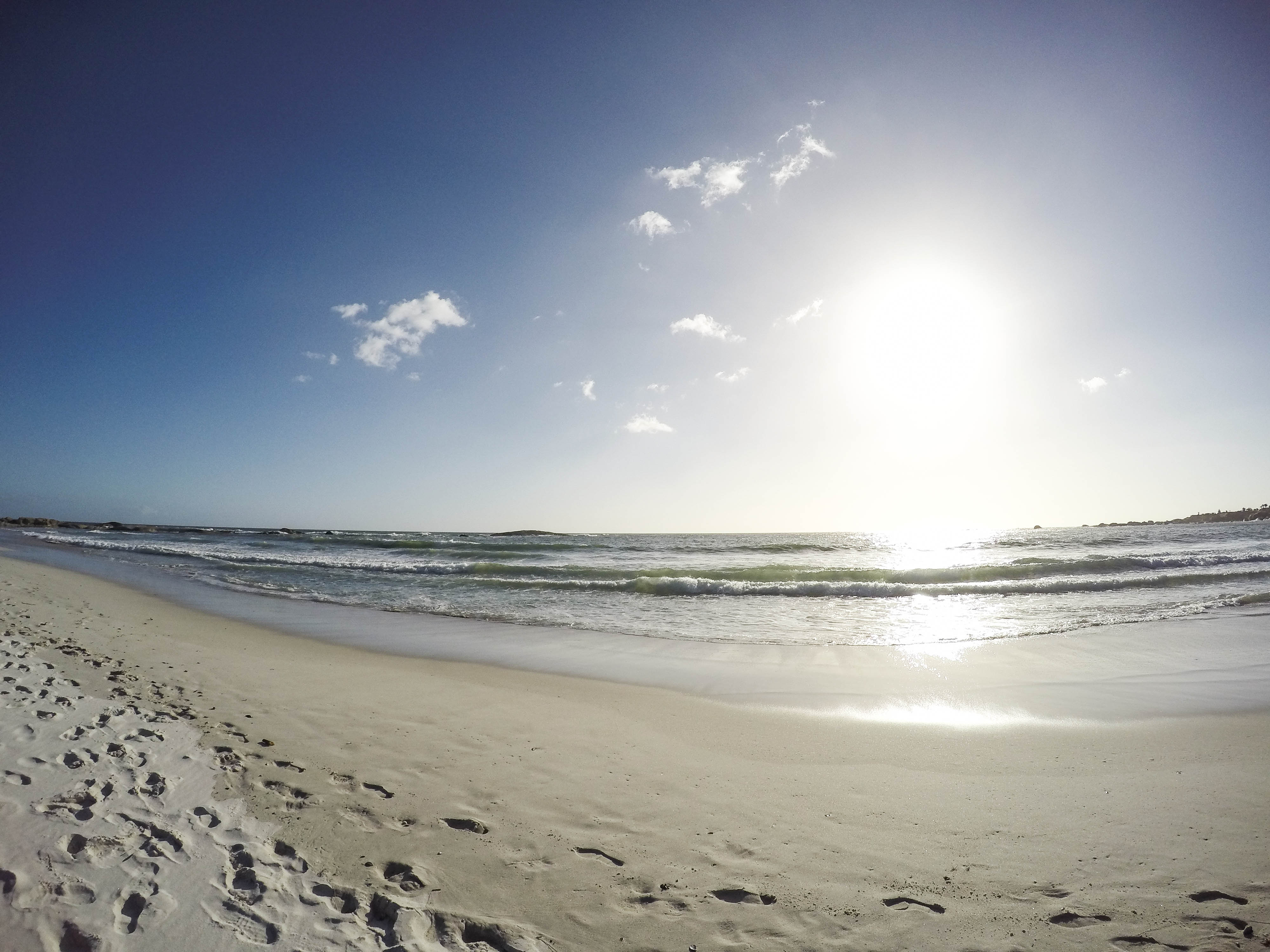 If it wasn’t for the townships (underdeveloped urban living areas), you may never know you were in Africa. South Africa’s commitment to provide essential resources such as electricity and water for several townships continues to draw more and more immigrants in to the country that are seeking suitable conditions. Unfortunately, townships are also known to be dangerous. Locals recommend not visiting alone and/or at night if even at all. These are people with tremendous need who can react desperately for money, food, clothes and other things one may carry. There were many townships we drove by throughout our stay and can honestly say, besides Haiti that is similar in some ways; we have never seen anything like this before.
Many locals told us we were visiting at a bad time of year. Winter had just begun and it was rather cold in the evenings and during the day depending on the winds. A couple days we experienced rough winds and rain like no other. However, we didn’t mind the weather at all. In fact, some days felt like spring/summer. Rain or shine, we were out of the house taking in every moment. Our host was surprised when she found out we had even been to church on Sunday and told us we were really getting the full experience. We spent our time in South Africa only in the Cape and did some scenic drives and Safari (which will be on separate posts) because we felt three weeks was just enough. Luckily, every main attraction within the city was no more than 10-15 minutes by car from where we were staying. 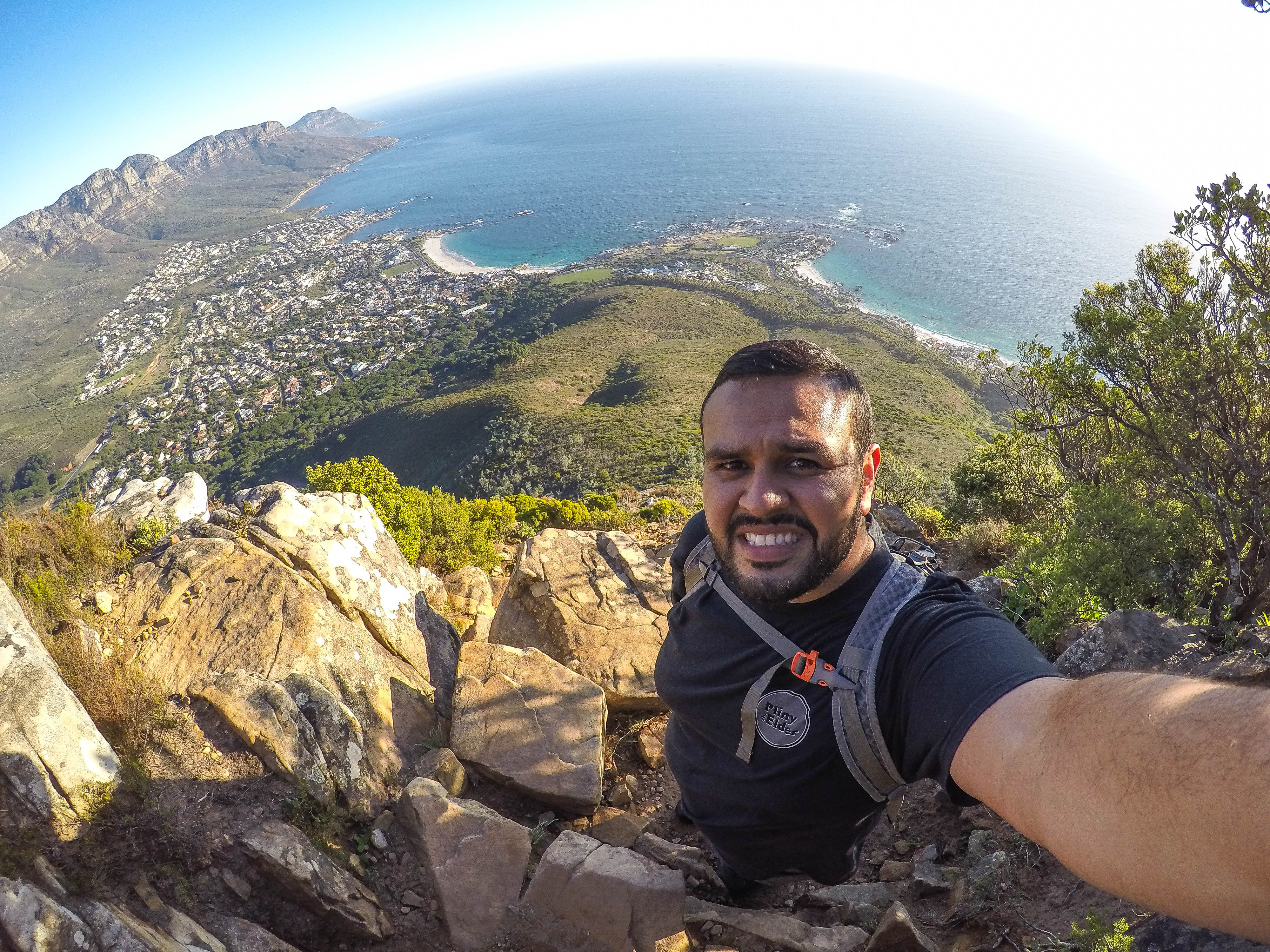 Among our favorites was spending time at the VA Waterfront enjoying a nice hot drink overlooking the beautiful views, exploring the top of Table Mountain, visiting the famous Camp’s Bay along the M6 scenic drive and although it consisted of terrifying steps, hiking the steep terrain at Lion’s Head during sunset was also breathtaking.
Cape Town offers something for everyone: pristine beaches, spectacular coast drives, hiking and many other outdoors activities, multicultural communities and events, great food, great coffee, daily markets and historical wine farms. Surrounded by overwhelming natural wonder, this city captured our heart instantly and we look forward to the day we can return and make more memories. 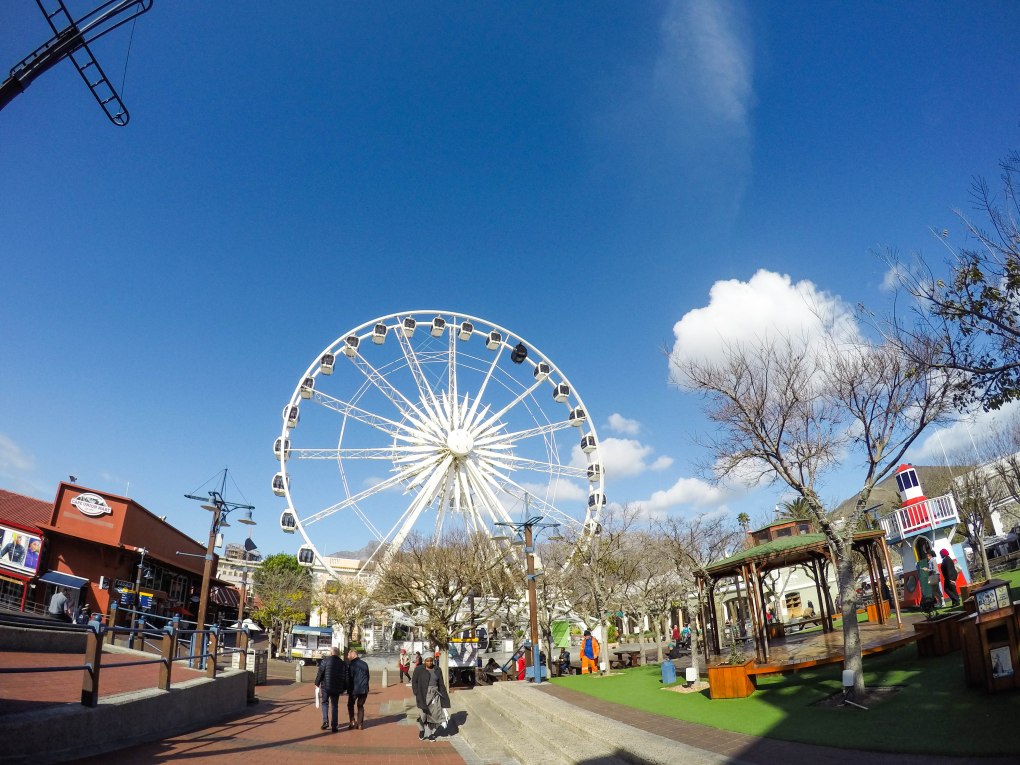 Visit the photo gallery (click here) to see more photos.

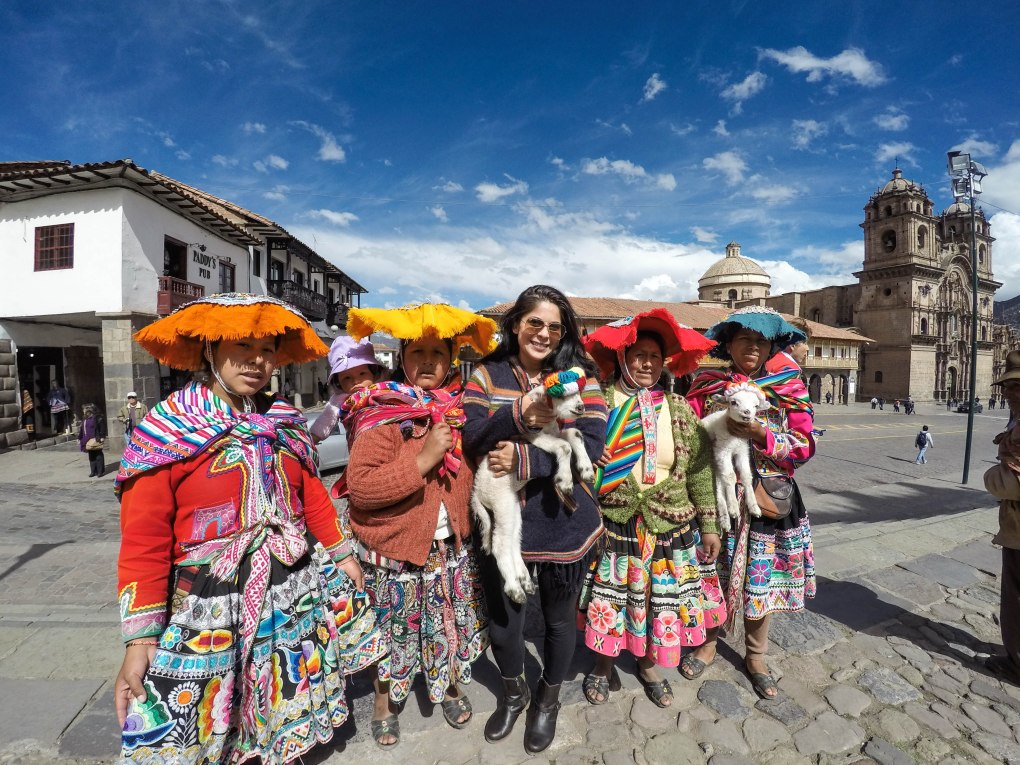
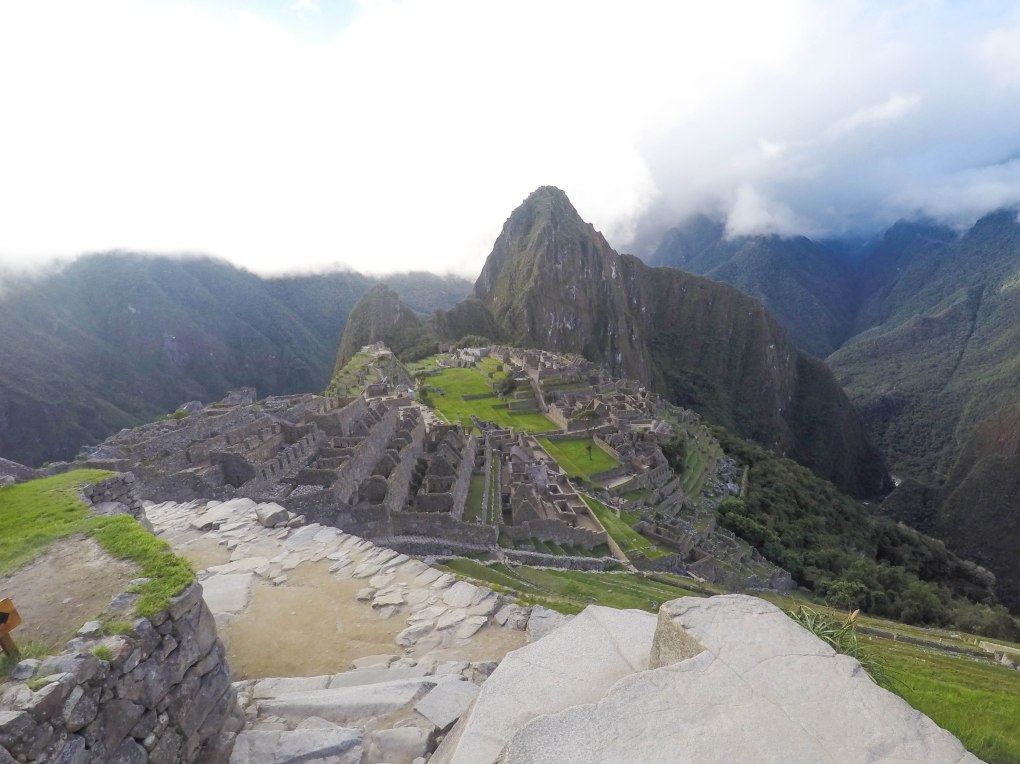
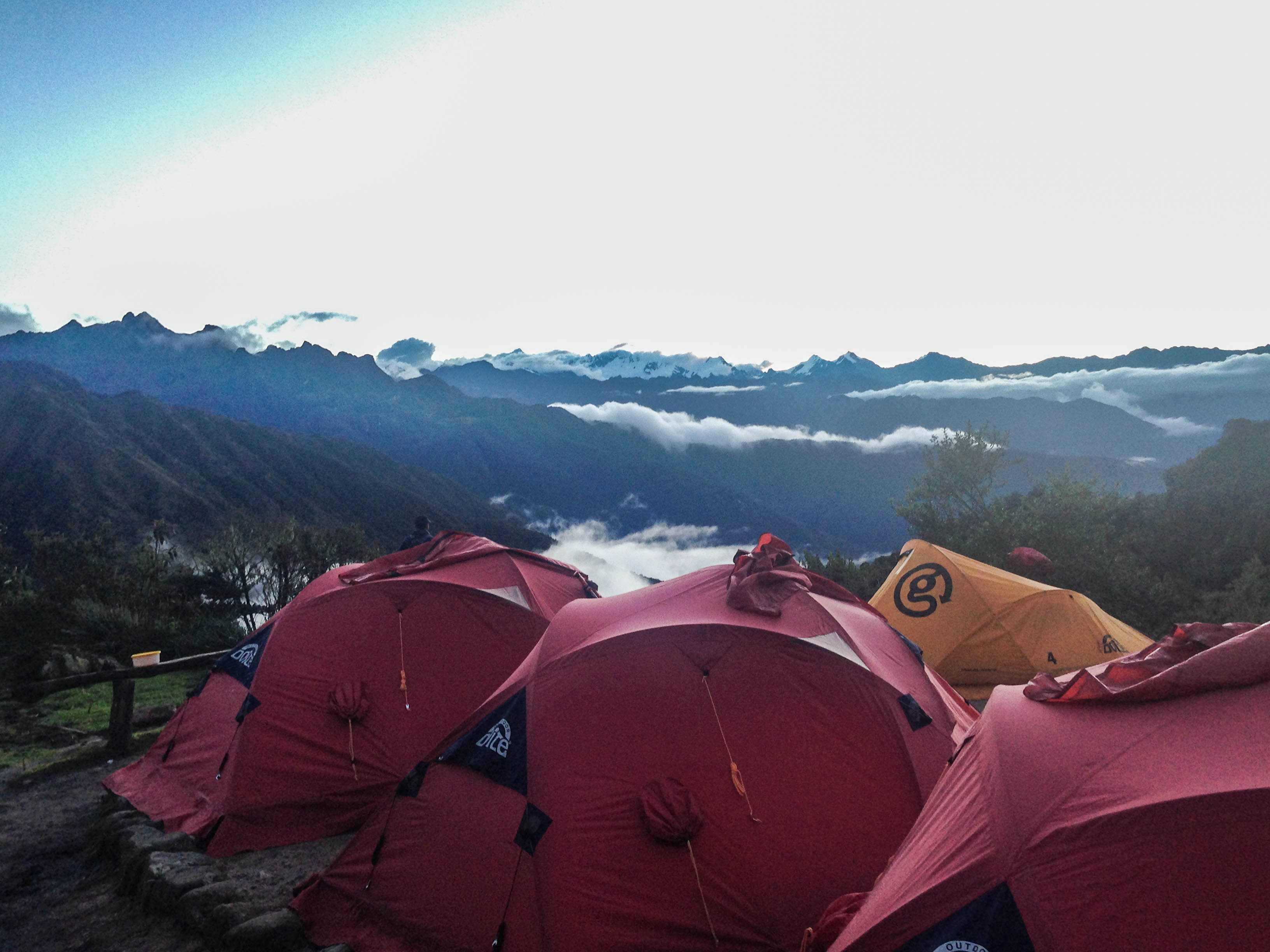
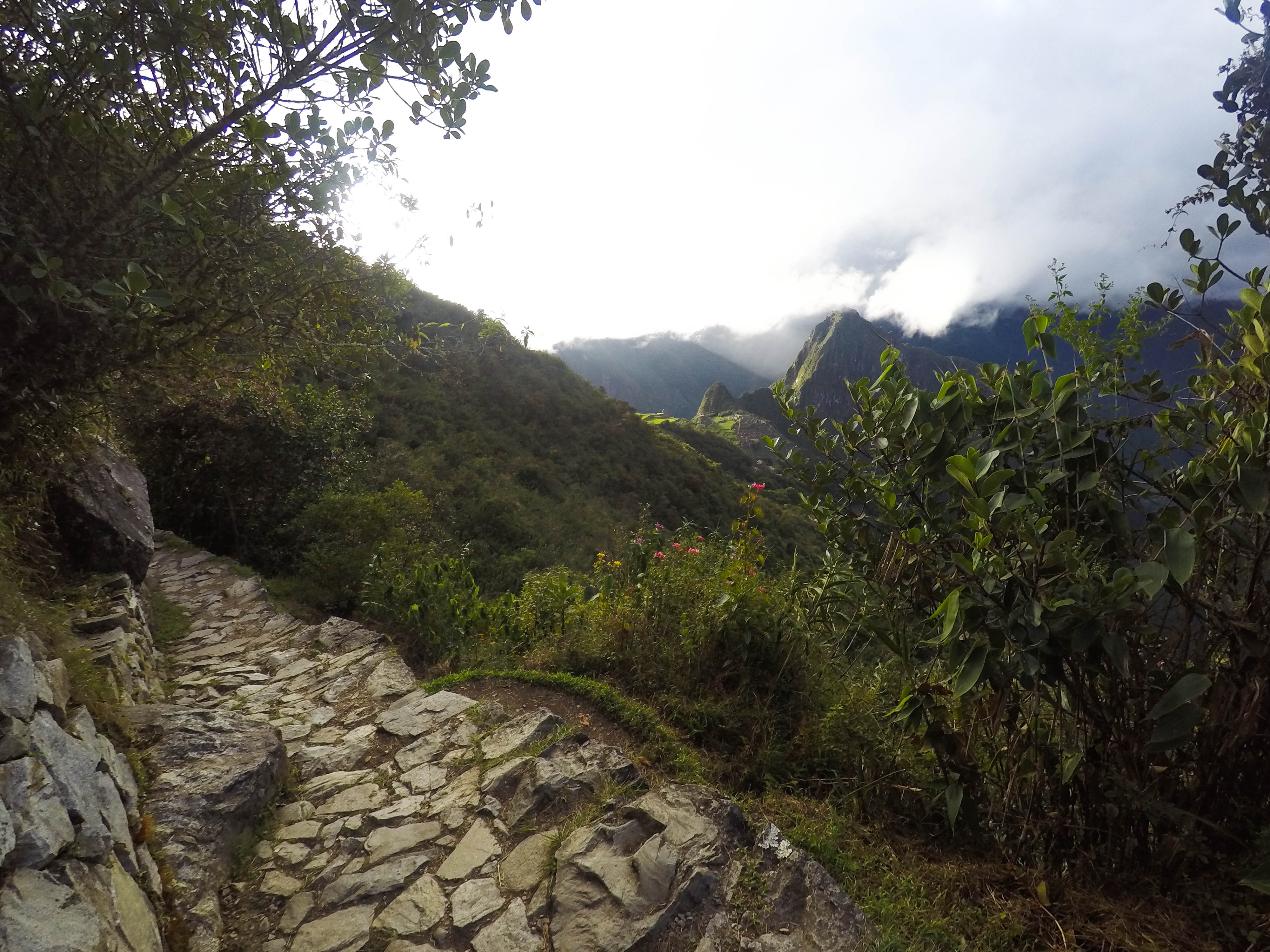
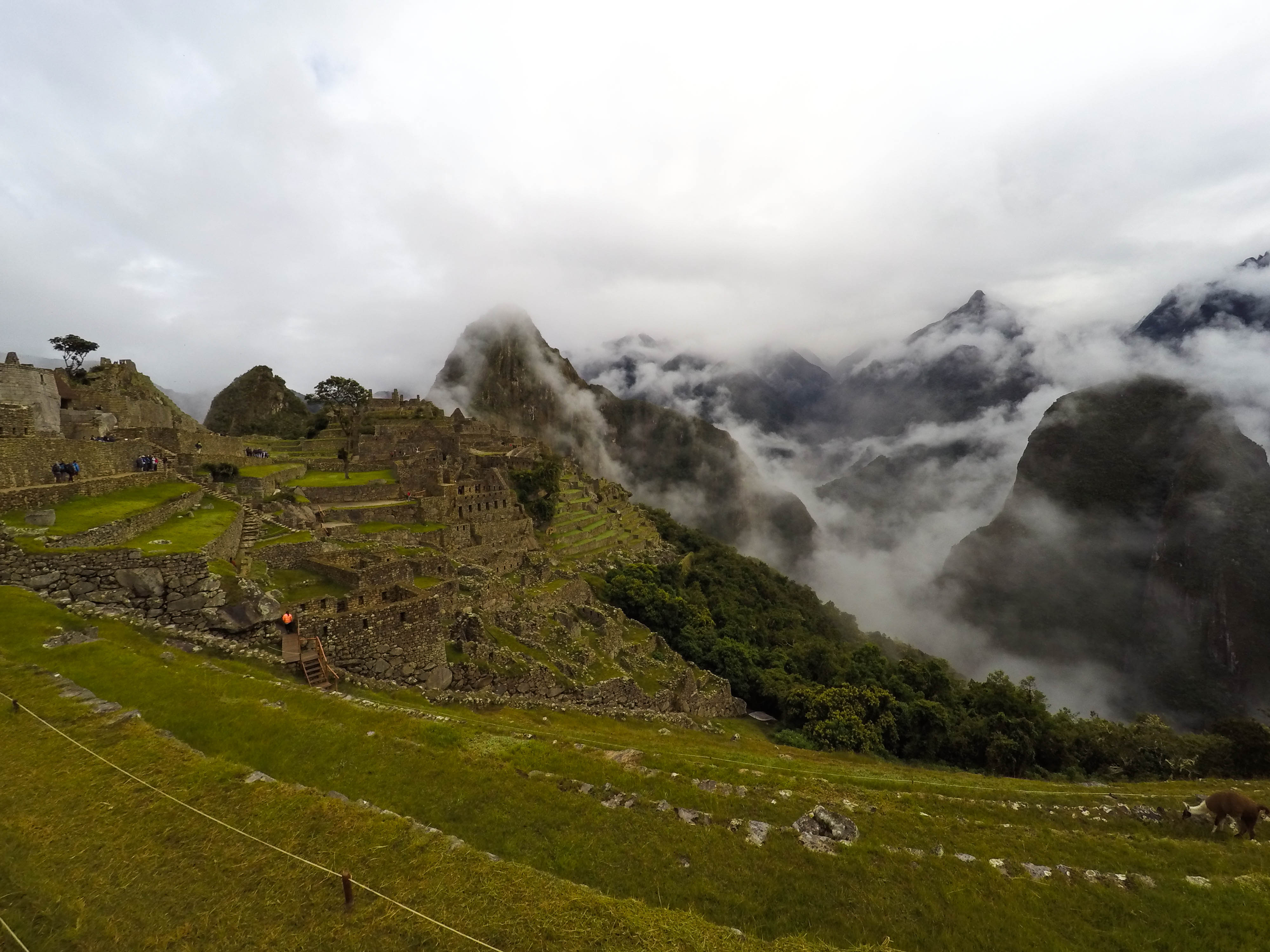
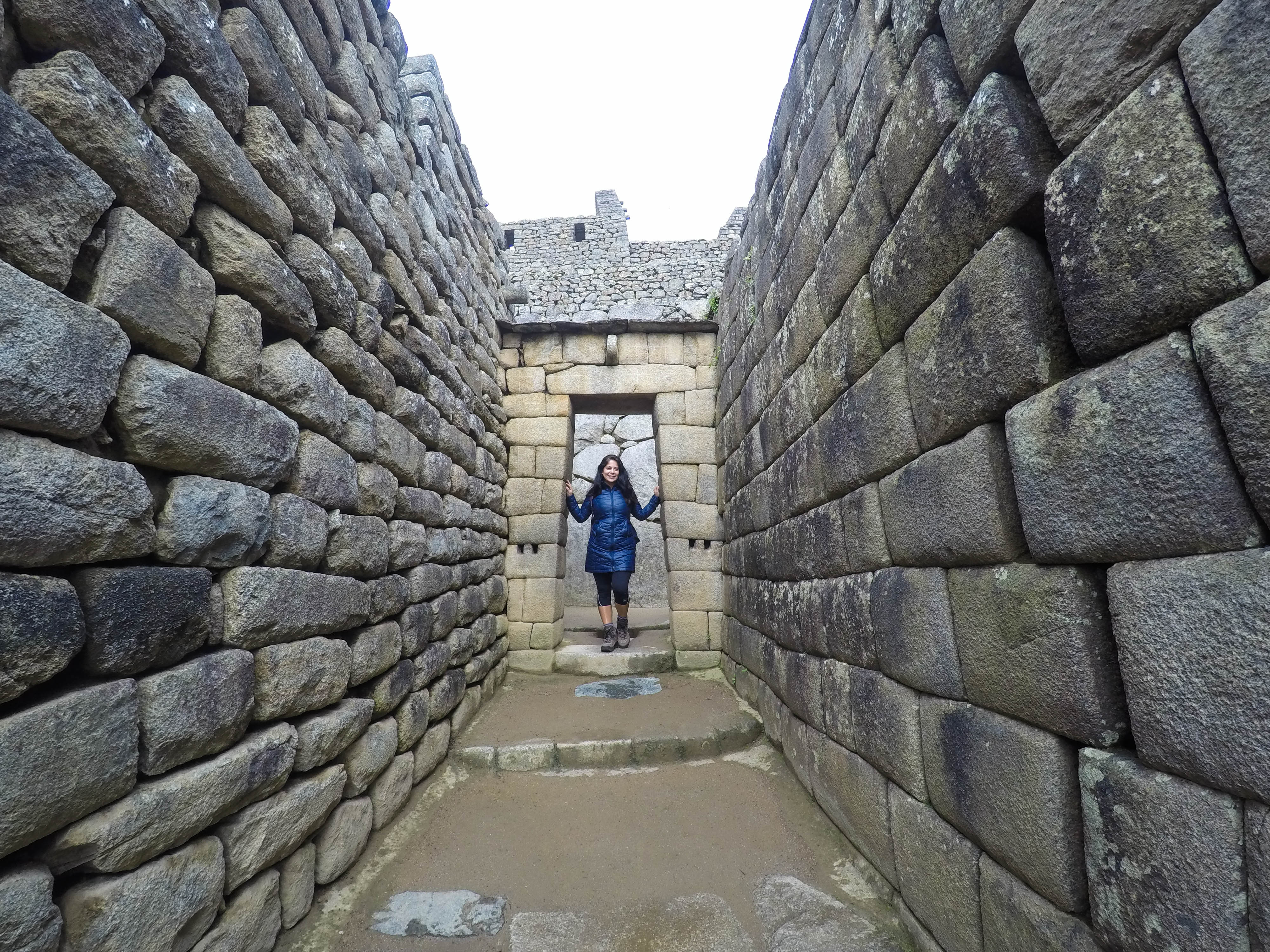
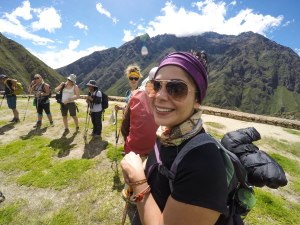 e Inca Trail than we ever anticipated. Somehow, in just 27 miles, it manages to combine a magnificent mountain landscape, sub-tropical jungle, dreamlike cloud forests, impressive Inca ruins and an appreciation for existence as we walk in the footsteps of the Inca to the ultimate reward, the magical lost city of Macchu Picchu. This has been, by far, the most physically demanding experience for both of us and yet, the most inspiring!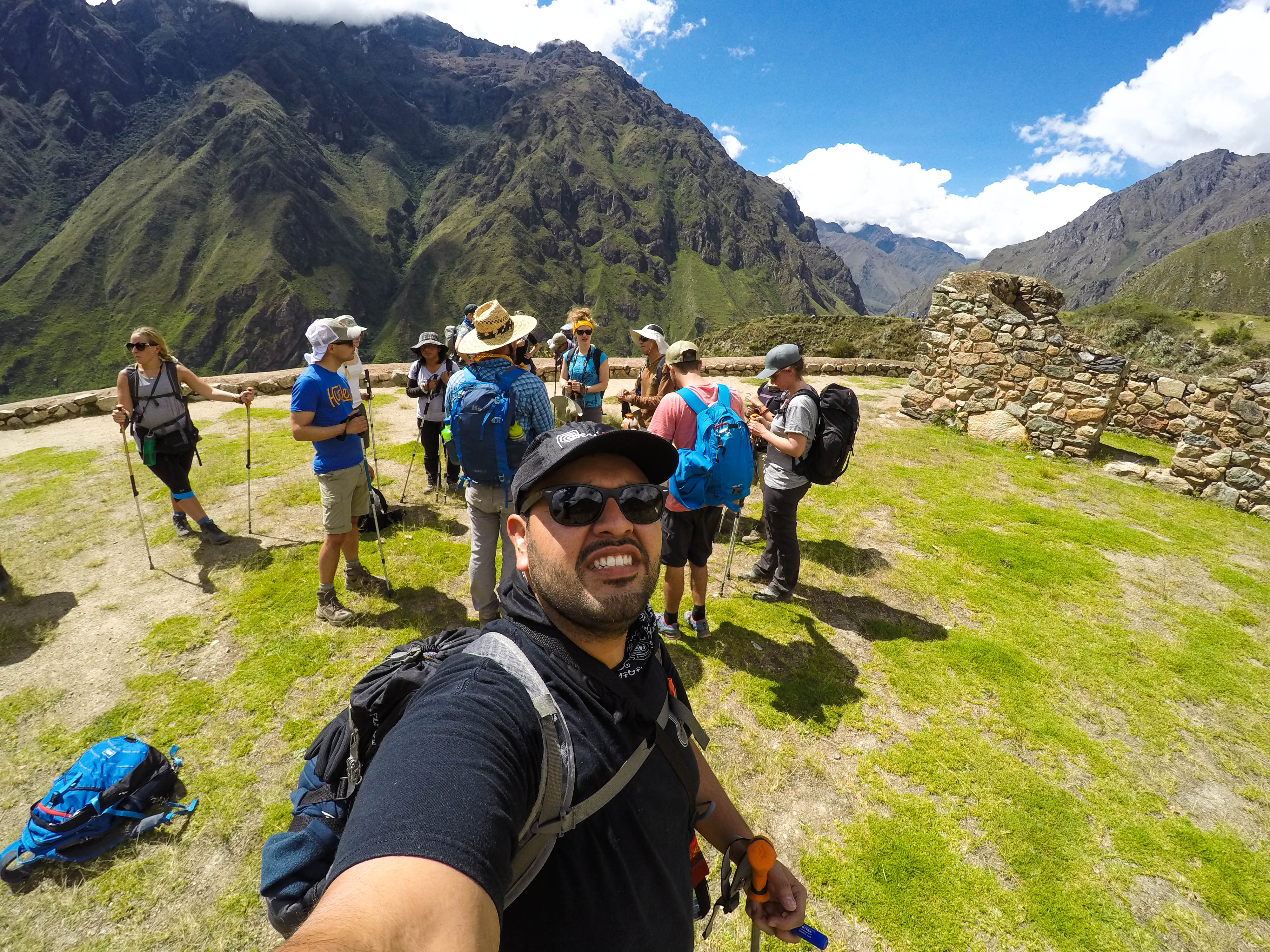
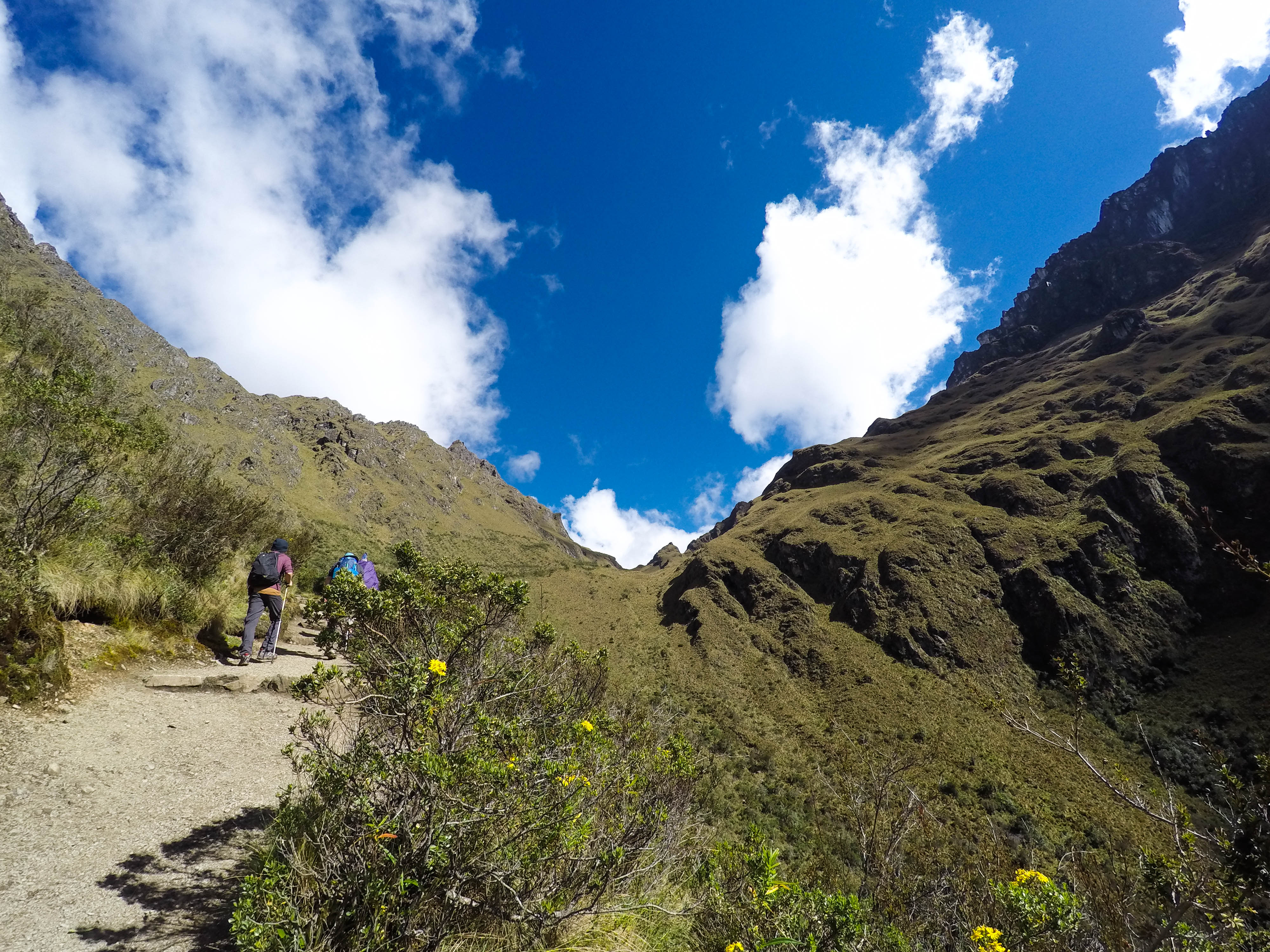


 This is Life in Color