Our Date with the Big 5

Like many others who travel through Africa, a safari game drive was at the top of the list during our stay in South Africa. However, as we heard from our host, embarking on such an adventure is quite a luxury for locals and tourists alike. Imagine what that means for travelers who are merely passing through? This type of activity is usually planned in advance and requires a serious savings strategy. The decision weighed heavy on us knowing future travel plans would be affected if we moved forward with this.

For starters, we had to rule out Krueger National Park with no questions asked. Not only because we would spend money going from Cape Town to Johannesburg and then drive four hours to the Park, but because even a two-day lodge stay inside the park is outrageously expensive. Granted there is an option to camp out and still participate in the game drives, but getting there was still an expense in addition to the fear of being eaten by a wild animal in the middle of the night. Doing something like this could have really sent us home immediately after the safari. DCIM101GOPROGOPR5841.As a result, we talked about scheduling our date with the Big 5 (elephant, lion, buffalo, leopard and rhino) later in life as a well-planned luxurious vacation. This is the struggle when traveling long-term, not being able to do everything you want. Boo hoo. We’re not complaining. After all, these struggles are the least of our worries.
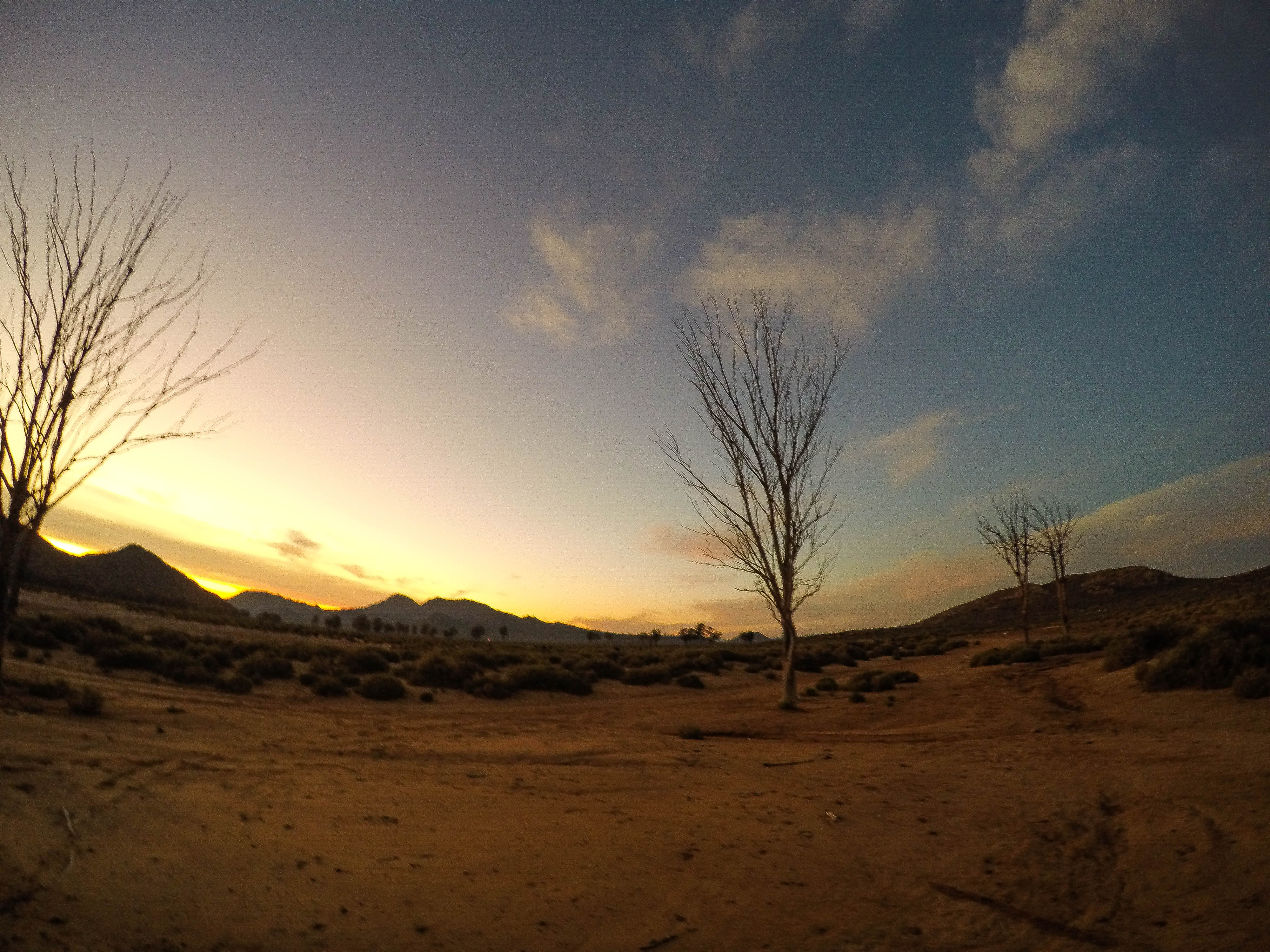
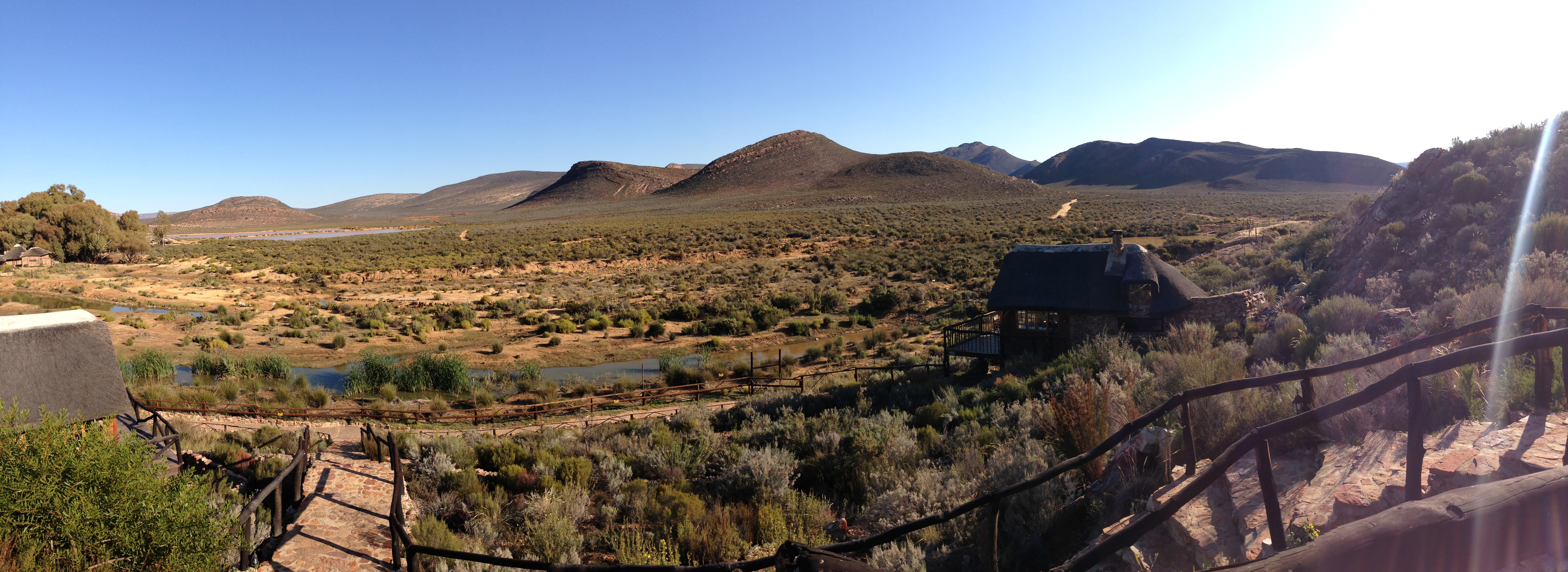
Now, even though we had dropped this topic, my husband continued searching day and night for affordable alternatives. Of course, I was not the least bit upset. In fact, after hours and hours of researching he found a private game reserve only a short two-hour drive from Cape Town. It must have been our lucky day because they had an incredibly good deal online for winter accommodations and even upgraded our lodge at no additional cost. So, we booked a two-night stay at the reserve, which included four game drives (two by day and two by night), all meals, horseback riding (which we gladly declined) and an unforgettable experience. The drive itself was breathtaking except for the annoying baboons on the road making it extremely distracting and dangerous. In addition to fewer crowds, professional guides, limited number of vehicles and exclusive night drives with off-road animal tracking, we believe a private game reserve may offer more to the safari experience than a National Park. Obviously, this option can be more expensive, but perhaps visiting during the wintertime like we did is a good option.

The Aquila Game Reserve is the closest private reserve to Cape Town and offers a variety of safari packages. Given the close proximity to Cape Town, a popular safari is the day trip, which even celebrities take part in when visiting the area with time restrictions and actually happens to be how Enoc stumbled upon this particular reserve.
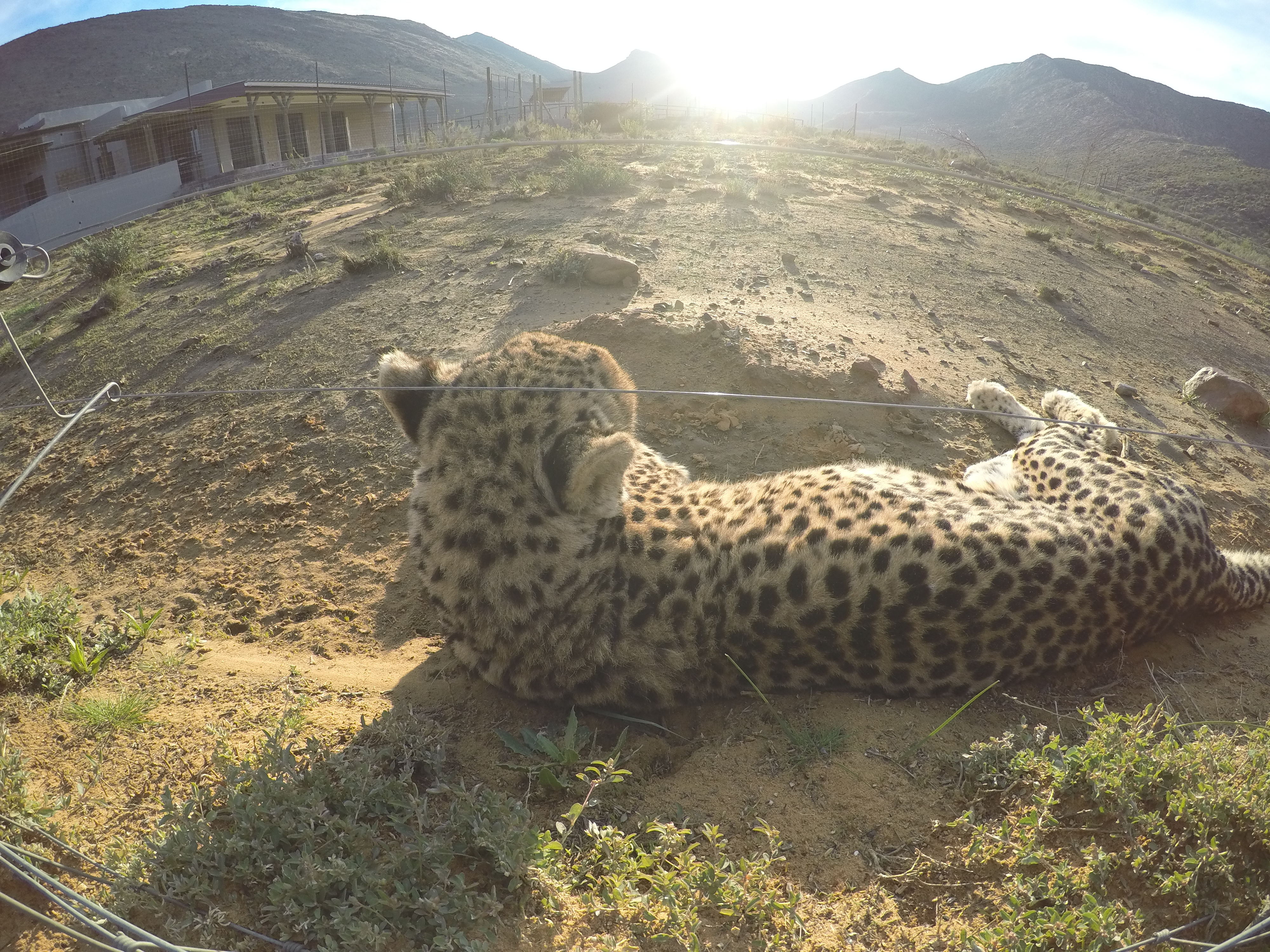
DCIM101GOPROGOPR5874.Another reason why this private reserve happens to be popular is their conservation efforts. Our morning drive at Aquila included a visit to the ARC (Aquila Rehabilitation & Conservation Centre) and was quite special as it is home to rescued leopard and cheetahs that will become part of the breeding program in the future. Aquila has also established the ‘Saving Private Rhino’ initiative, which ensures the future conservation of Africa’s rhino and wildlife legacy by providing an integrated anti-poaching solution available to private game reserves throughout Africa. This almost doesn’t make you feel so bad about spending this kind of money for a safari.
IMG_7109

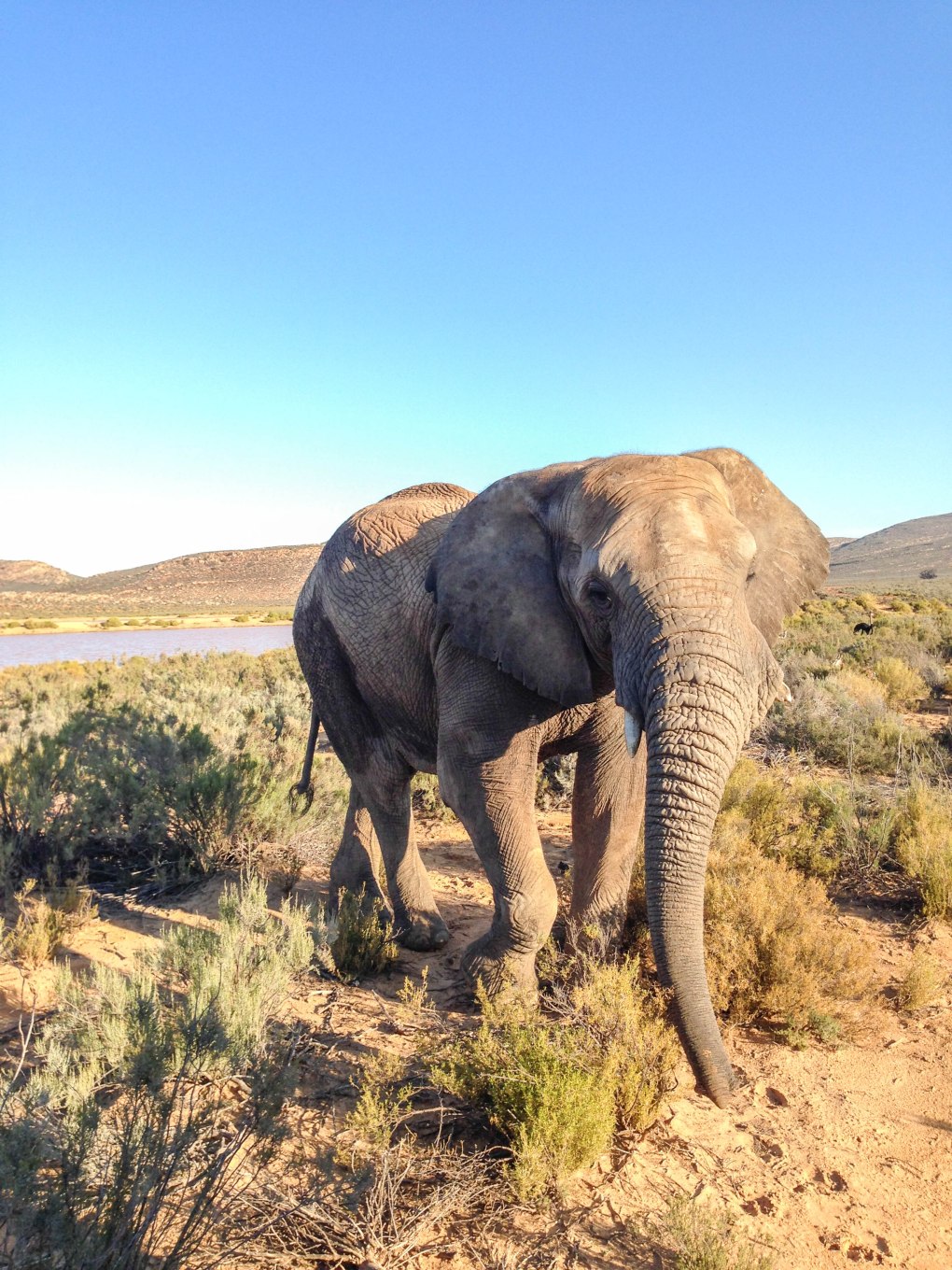
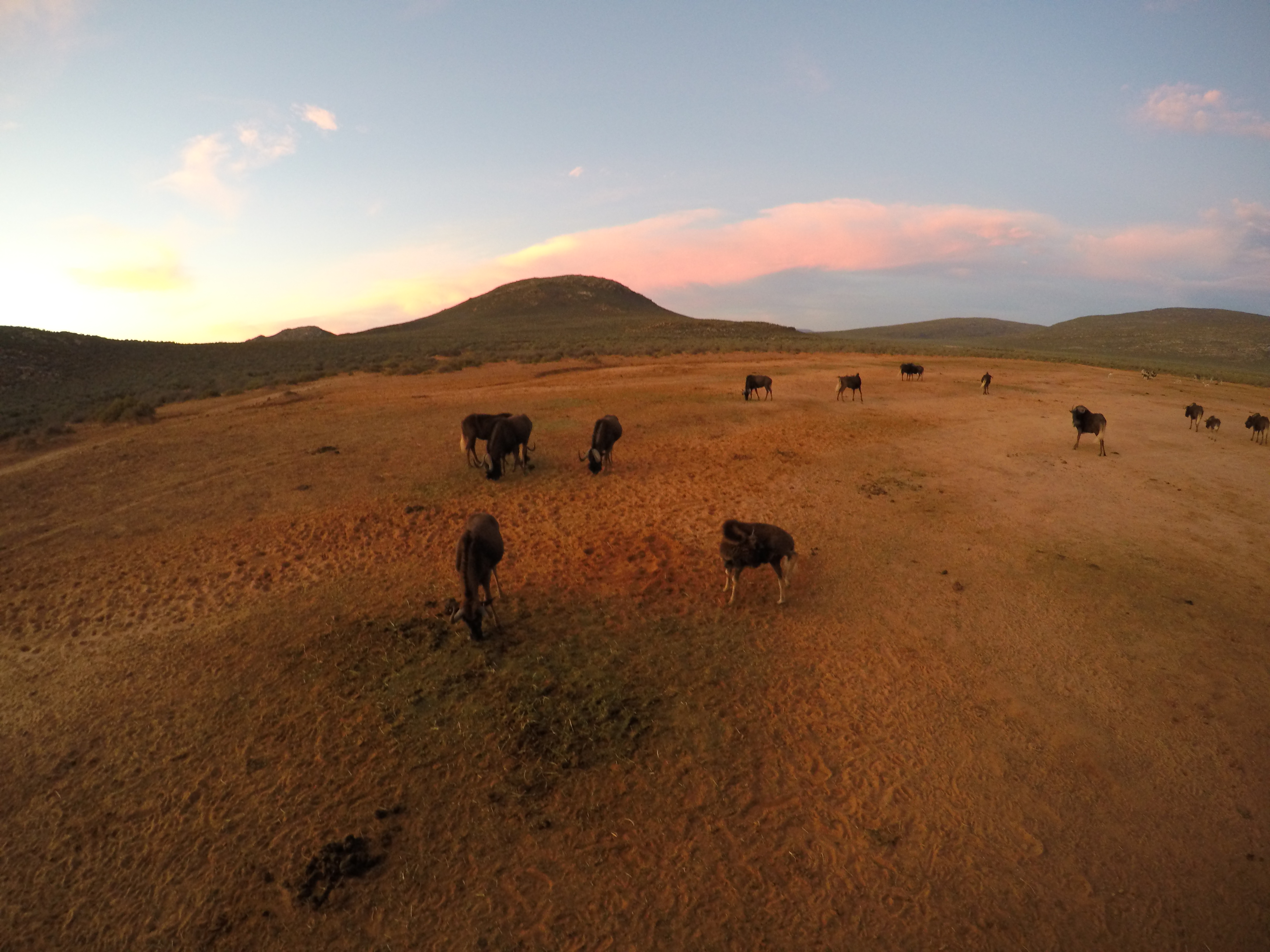
Spotting these wild animals as close as we did was something incredible and unlike anything we have ever experienced. Before starting the game drives we were reminded that it was not guaranteed to see any of the animals as it depends on the day, time, weather, etc. IMG_7269BlogTo our surprise however, we were fortunate to spot the Big 5. The buffalo could only be spotted late at night on our way back to the lodge and we couldn’t get too close because they are aggressive animals but even so, we caught a mere glimpse. And although the Rhino will forever hold a special place in our hearts, the lion encounter was surreal and nearly breathtaking (not in a good way) as we witnessed lots of movement surrounding our vehicle. When you are told to remain silent and keep your hands and cameras inside the vehicle, it is never a good sign.

An absolute highlight to this adventure was the night drives. Cozied up in a 4×4 vehicle with a complimentary blanket surrounded by spectacular views, sun setting in the distance and wildlife encounters is something that cannot be easily taken for granted. It is a slap in the face kind of moment. An appreciation for all that surrounds you including the air that you breath. We were served a glass of champagne and snacks when we were far enough to step out and enjoy a moment of serenity DCIM101GOPROGOPR5856.somewhere in the 10,000-hectare reserve. As we returned to the lodge overlooking the reserve and a sky full of stars that will forever be engraved in our memory, all we could think and put into words was how blessed we were to be living that precise moment.
Our photos can be seen in their best quality in our photo gallery (click here).

Cape Town’s Natural Wonder

Much to our surprise, the window seat passenger never showed up. In fact, the immaculate and massive Emirates Boeing 777 plane had many seats available. Every other row had a few empty seats and our initial thought was, “Oh no, no one is going to Africa”. We immediately focused on the crime rate in South Africa, Cape Town in particular, and even the health risks associated with our visit given the tragedies in West Africa and the masses that were affected. We talked about this and dwelled on it a bit more than we should have. Though, you can’t blame us. Being first timers in Africa automatically implies that we were carrying everything the media and those around us had engrained in our minds forming such perceptions. We got over it as soon as we smelled dinner coming down the aisles and realized our empty plane allowed economy passengers like ourselves, first class privileges. Some of us took up three seats and rested comfortably. “Some of us” enjoyed it. This 10-hour direct flight from Dubai did not seem all that bad after all.

We had South Africa on the journey with a three-week stay and like most other stops, had no pre-arranged plans. Although, our host recommended we hire (rent) a car upon arrival as public transportation is not effective at all hours of the day and throughout the city. So, because it was foreign to us, we did as we were told. We had a car throughout our entire stay and found it convenient to come and go as we pleased. After all, the last time we had a car to ourselves was in Puerto Rico back in February. The roads in South Africa were amazing and no different than any major city back at home. In fact, we found road signs to be even better. We traveled quite a bit to and from the Mother City (Cape Town) and not once had a problem.

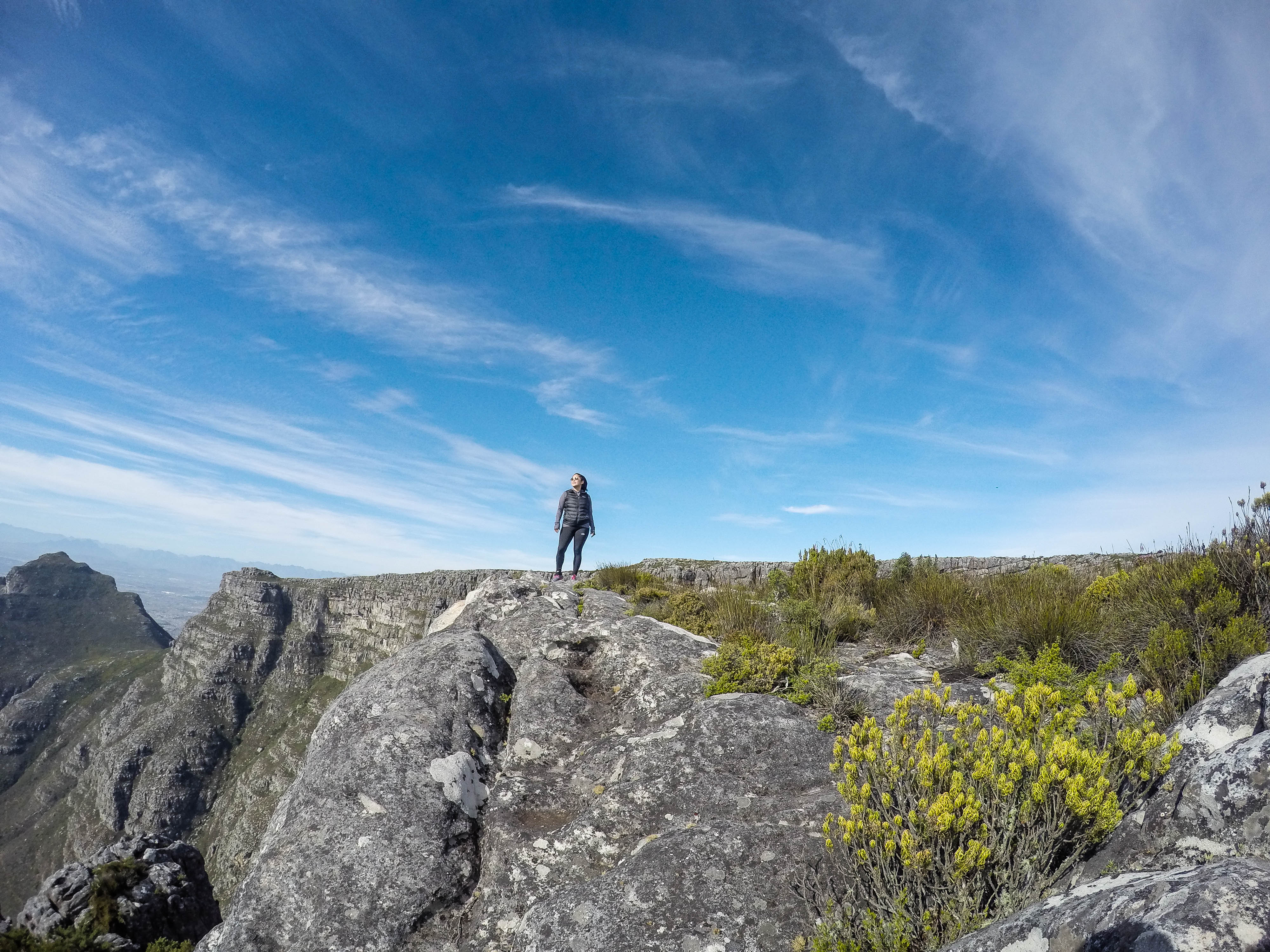
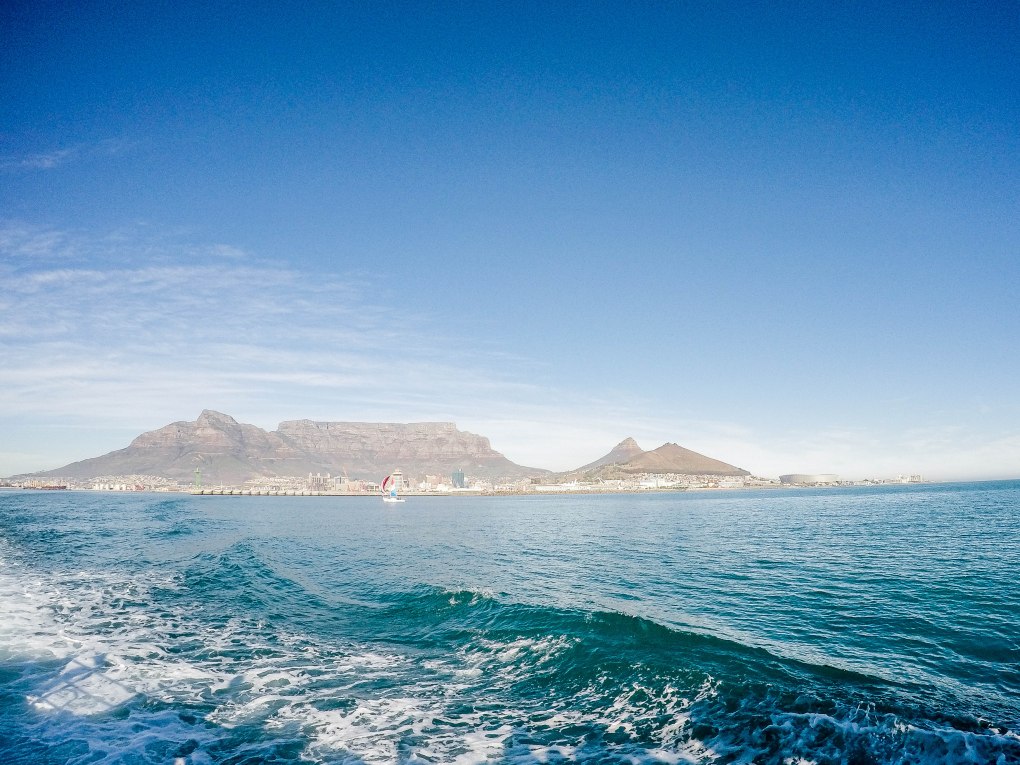
Now, this doesn’t mean I was not at the edge of my seat the entire time thinking we were going to hit the curb or the car adjacent to us. Truthfully, it wasn’t an issue driving on the roads. It was simply our sense of direction and habit that we found to be the greatest struggle. This was our first time on the left side of the road and on the right side of the vehicle. Side note: there are “parking attendants” on every block no matter where you happen to be. Most “attendants” say they have been looking over your car for hours when in fact, they have not. Either way, it is not recommended to give them more than five rand if you give them anything at all. If it’s somewhere you are likely to return we would recommend making a small donation. Also, broken windows are very common if anything valuable is displayed in the car. The house and host we stayed with could not have been better. The Victorian style home is situated in a prime location overlooking the natural wonder that defines the city, Table Mountain. This soaring flat-topped mountain, and main focal point throughout the city, is absolutely breathtaking and draws you in entirely. This is definitely something you must see for yourself to understand how incredible it truly is. Words and pictures do not do it justice. Taking a cable car up the mountain and walking at the very top with views that are beyond anything you’ve ever seen is quite special.

If that wasn’t enough, we were so lucky to walk approximately 30 feet from the house to enjoy delicious eggs Florentine and coffee (tea for me of course) at our favorite cafe Licorice and Lime, which overlooks this gorgeous mountain. Here, they knew us by name. Across the street from this gem is the Italian restaurant Bacini’s and down Kloof Street is Cafe Paradiso with outdoor garden dining. The list goes on and on when it comes to cafes and restaurants in Cape Town. We were surprised at how much more value the USD had over the South African Rand. Meals, drinks and all averaged anywhere from 10-30 USD at the most and were incredibly delicious. In fact, most nights we had dinner for less than 17 USD (23 if we added a wine bottle on those special nights).

On that note, we must discuss the wine. After a few days, we eventually built up enough strength to leave the magnetic views of Table Mountain and the Cape Peninsula behind. Not an easy thing to do. The beauty of this country is that it doesn’t really matter which direction you choose to drive because they all lead to the next equally as stunning and yet different landscape. At only thirty minutes to an hour away you are introduced to South Africa’s stunning wine country. Whether it’s the historical and charming Constantia wine route, or the picturesque Stellenbosch route, there is a wonderful selection of wines. We took a few day trips and enjoyed fantastic and affordable wines. Why is wine so expensive in the United States? We thought Argentina offered bottles at an unbelievably low rate, but South Africa was even cheaper. Let us put this in perspective. The first wine farm we visited was in Constantia, which offered eight wine tastings for 3.50 USD. No, that’s not a typo. The wines, both white and red, some were award winners and some not. Even so, there was not one bad wine! This goes for every winery we visited in South Africa. Now, we’ve done many wine tastings and this is quite rare. So, since it was early in the day we decided to purchase one bottle of their beautiful Sauvignon Blanc. I hope you’re ready for this. The bottle was 4 USD! Wait, there’s more. The tastings were not charged because there was a bottle purchase. What more can you ask for? Our favorite visit was at the Fairview Winery and Cheese Farm in the beautiful Paarl region. Here we enjoyed a private tasting of eight premium wines paired with artisanal cheeses for a total of 14 USD. We will be in for a rude awakening when we return to California’s Napa Valley.
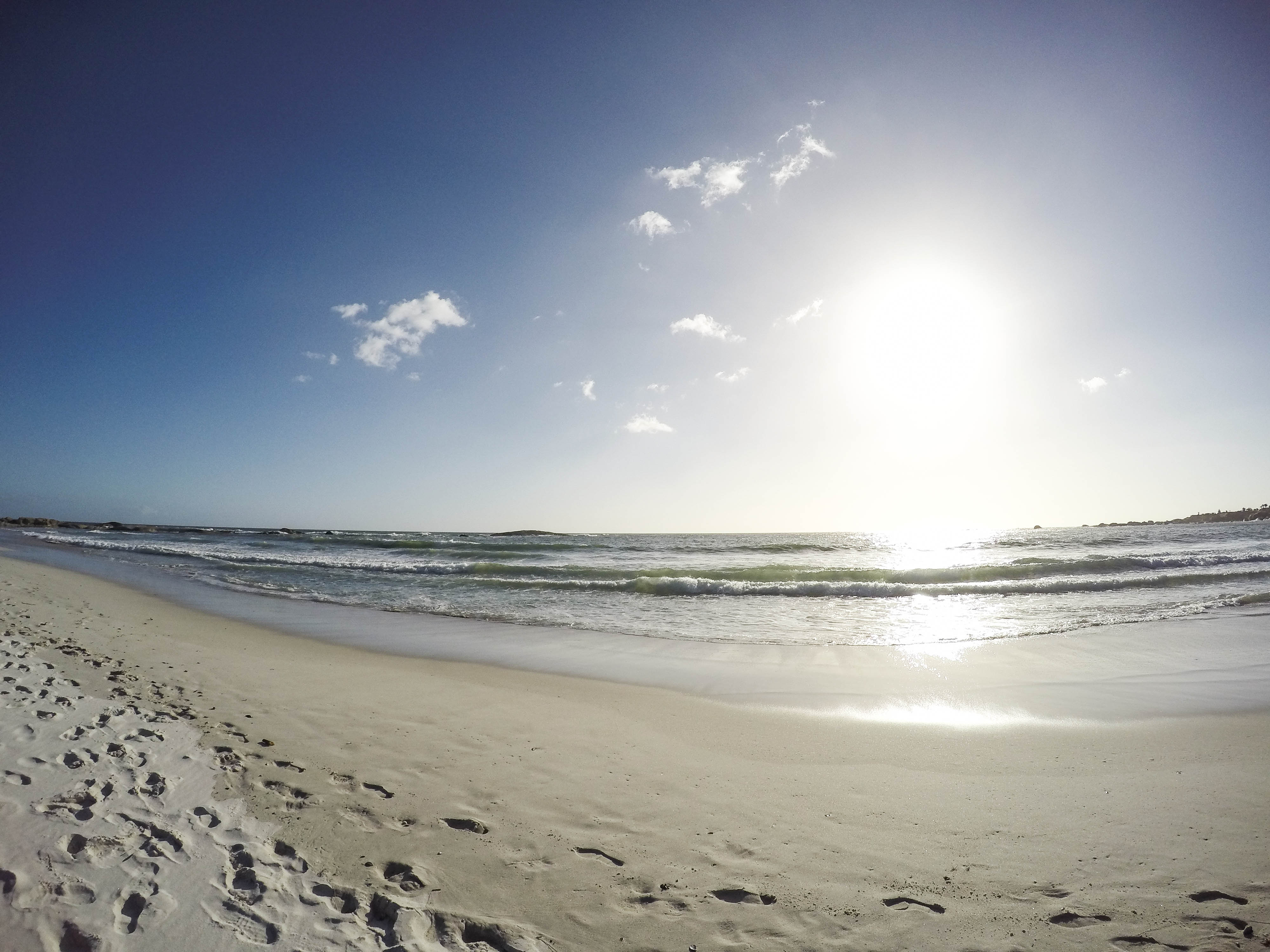
Given South Africa’s troubled history and struggle for freedom, visiting Robben Island and speaking to our host about the country’s current social and political state was certainly another highlight. Walking throughout the prison with a former prisoner who shared his story and knew Nelson Mandela was rather intriguing. South Africa has come a long way and in most parts you wouldn’t even notice you are in Africa. In fact, it reminds us so much of San Francisco in so many ways. If it wasn’t for the townships (underdeveloped urban living areas), you may never know you were in Africa. South Africa’s commitment to provide essential resources such as electricity and water for several townships continues to draw more and more immigrants in to the country that are seeking suitable conditions. Unfortunately, townships are also known to be dangerous. Locals recommend not visiting alone and/or at night if even at all. These are people with tremendous need who can react desperately for money, food, clothes and other things one may carry. There were many townships we drove by throughout our stay and can honestly say, besides Haiti that is similar in some ways; we have never seen anything like this before.

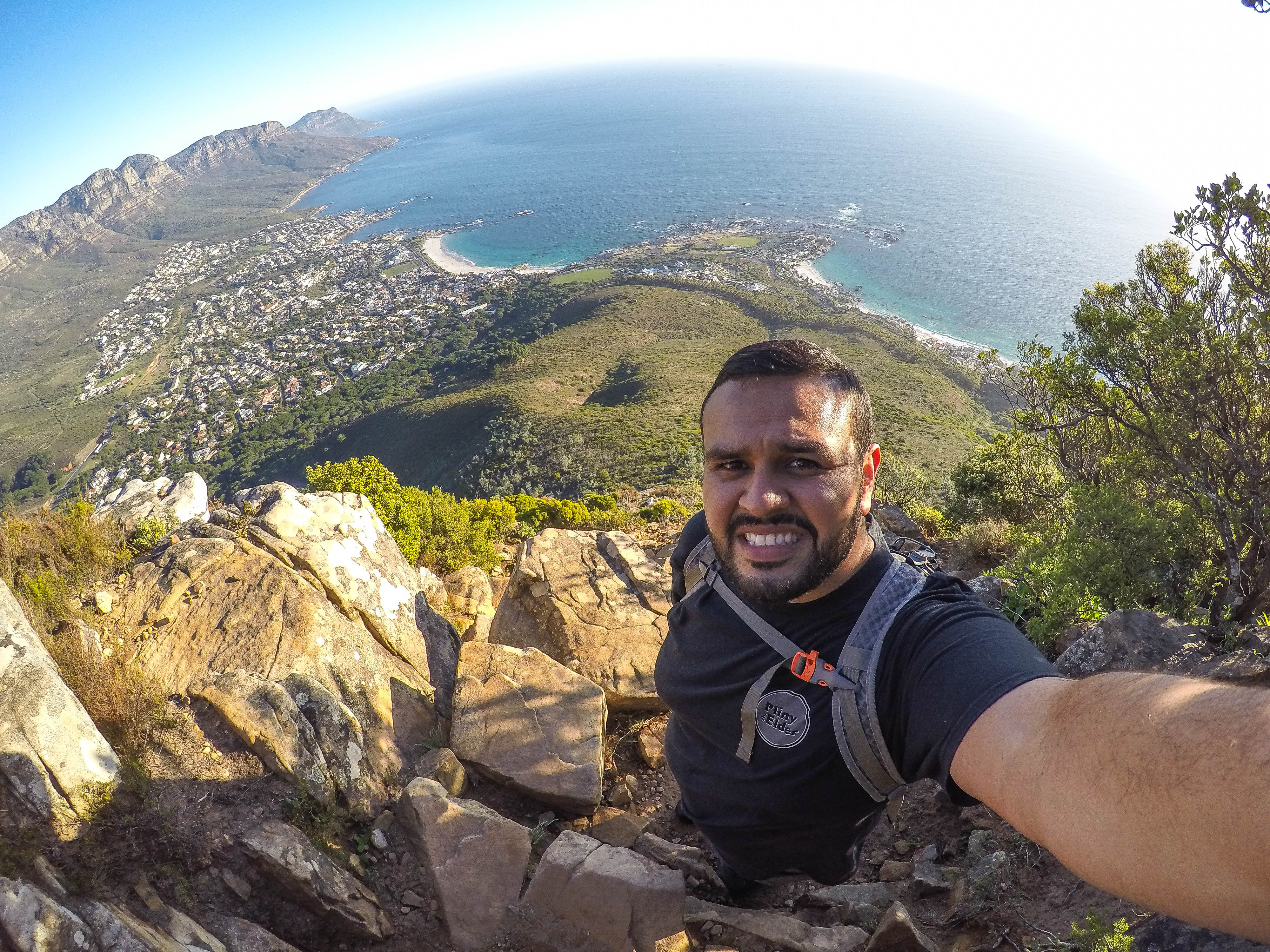
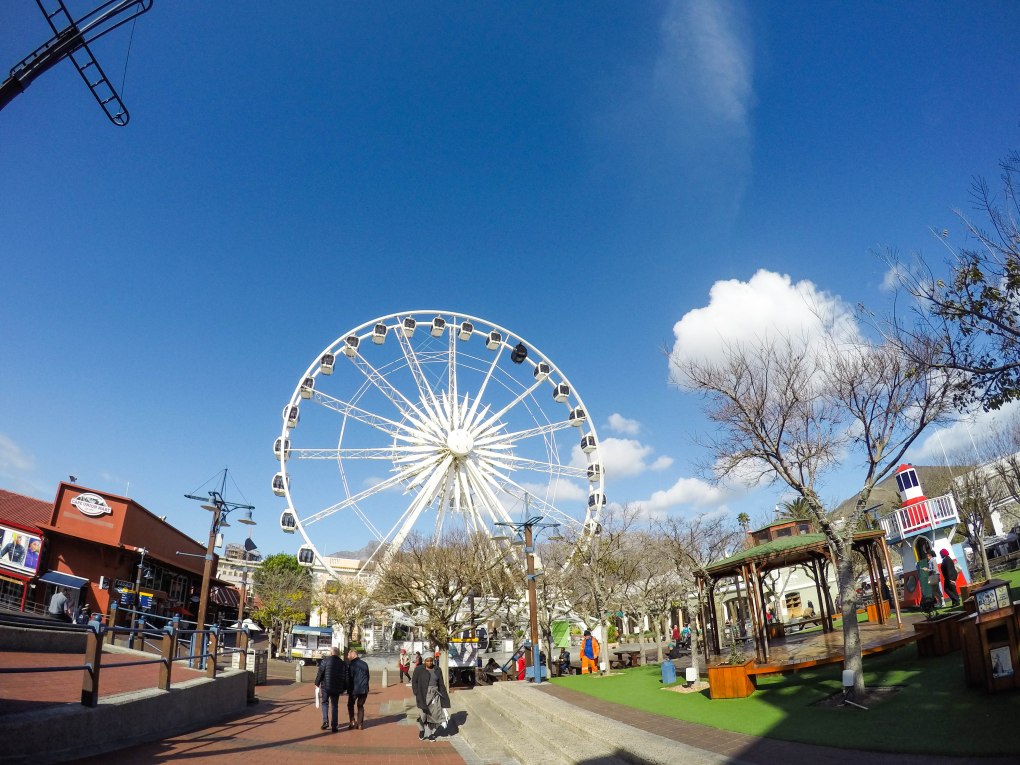
Many locals told us we were visiting at a bad time of year. Winter had just begun and it was rather cold in the evenings and during the day depending on the winds. A couple days we experienced rough winds and rain like no other. However, we didn’t mind the weather at all. In fact, some days felt like spring/summer. Rain or shine, we were out of the house taking in every moment. Our host was surprised when she found out we had even been to church on Sunday and told us we were really getting the full experience. We spent our time in South Africa only in the Cape and did some scenic drives and Safari (which will be on separate posts) because we felt three weeks was just enough. Luckily, every main attraction within the city was no more than 10-15 minutes by car from where we were staying. Among our favorites was spending time at the VA Waterfront enjoying a nice hot drink overlooking the beautiful views, exploring the top of Table Mountain, visiting the famous Camp’s Bay along the M6 scenic drive and although it consisted of terrifying steps, hiking the steep terrain at Lion’s Head during sunset was also breathtaking.

Cape Town offers something for everyone: pristine beaches, spectacular coast drives, hiking and many other outdoors activities, multicultural communities and events, great food, great coffee, daily markets and historical wine farms. Surrounded by overwhelming natural wonder, this city captured our heart instantly and we look forward to the day we can return and make more memories. Visit the photo gallery (click here) to see more photos.


Abu Dhabi – A True Middle Eastern Gem

We managed to leave the city of luxury, Dubai, to see the capital and largest of the seven emirates, Abu Dhabi. Abu Dhabi is located only an hour and a half from Dubai and is well worth a visit.

We hired a taxi driver and found it much more convenient than taking a bus and dealing with traffic. Taxis are run by meters in the UAE and are surprisingly cost effective. In fact, getting around is simple and cheap. There are more than enough taxis available and all cars look brand new, smell good and have great air conditioning. This was a bit surprising to us at first, but according to one of our drivers the cars have to meet certain standards and therefore, look the way they do. We paid a total of 60 USD from Dubai to Abu Dhabi and spent nearly two solid hours in the car. Not bad at all compared to similar cities.

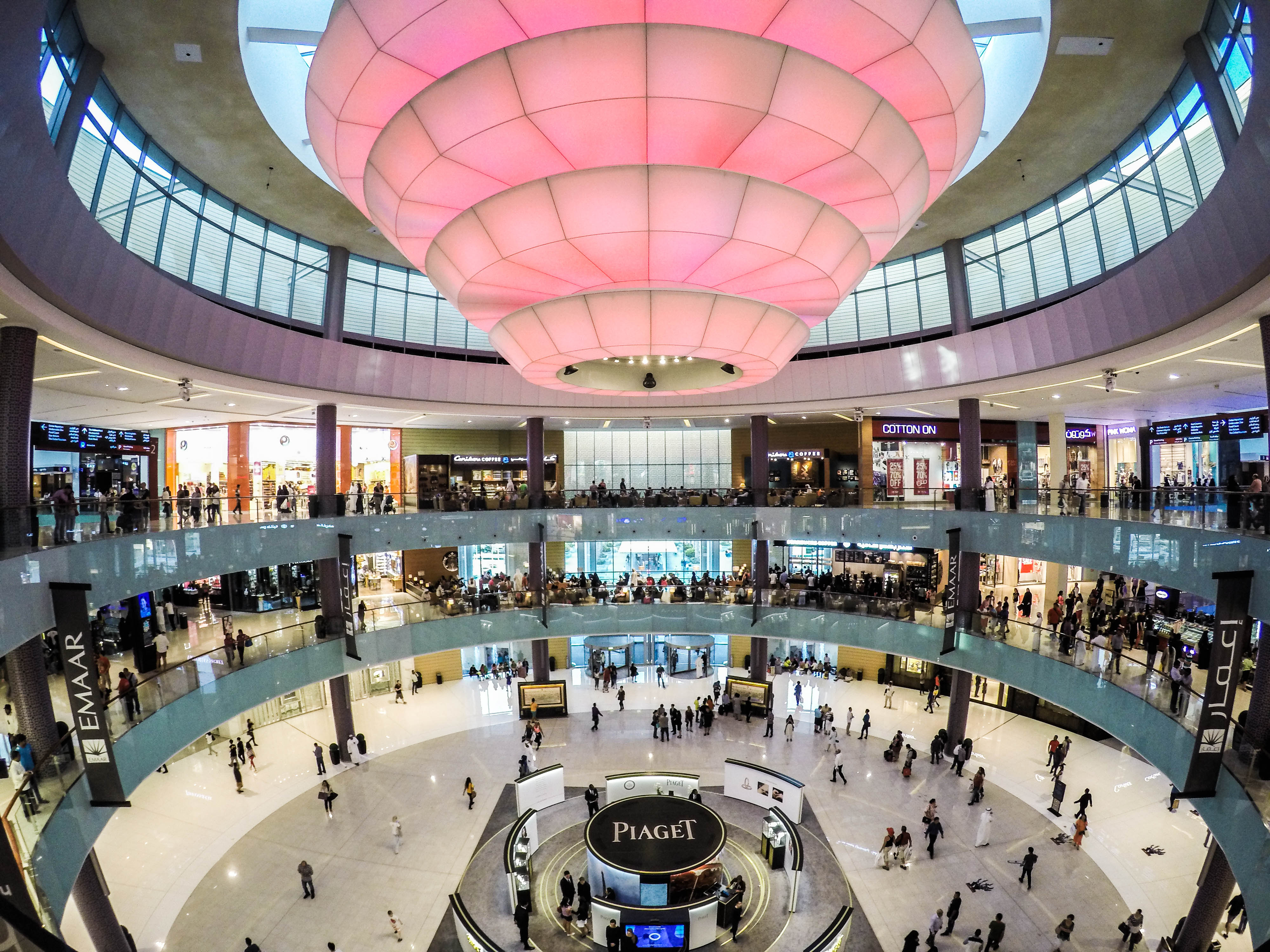
While in Dubai, we also used the train when we were staying in Business Bay. The train station is in a central location and happened to be within walking distance from our hotel. Tickets are cheap and all trains and connecting trams lead to all major attractions throughout the city. We spent three days traveling from Mall to Mall on the train. The UAE is without question, a shopper’s paradise. Visiting the malls is definitely among the top tourist attractions both in Dubai and Abu Dhabi. From ice-skating rinks, aquariums, indoor ski center, indoor soccer, theme parks and every store imaginable, each mall provides a unique and different experience. Among our favorites were the Yas Mall in Abu Dhabi and the largest mall in the world, Dubai Mall, which can take up to four days to see it entirely. Truthfully, it was even a bit overwhelming. DCIM101GOPROGOPR5079.

It was interesting to see the difference between Dubai and Abu Dhabi. Some argue that although Abu Dhabi may have grown up in Dubai’s shadow, it is considered to be better than its neighbor in many ways. However, we think they are completely different. We believe Abu Dhabi is the authentic and traditional Middle East while Dubai is the one with all the new shiny architecture and spark. The Arabian Gulf beaches are the only thing that should not be up for competition as they are equally beautiful in both Abu Dhabi and Dubai. The water is perfect and the views are stunning no matter where you look. Regardless, Abu Dhabi’s current attractions and projects that have yet to be finalized are entertaining the attention of more and more people and in our opinion, will continue to impress and perhaps prove to be the true middle eastern gem it claims to be.

During our two-day getaway, the following sights we visited stand out as symbols of Abu Dhabi’s difference to Dubai:

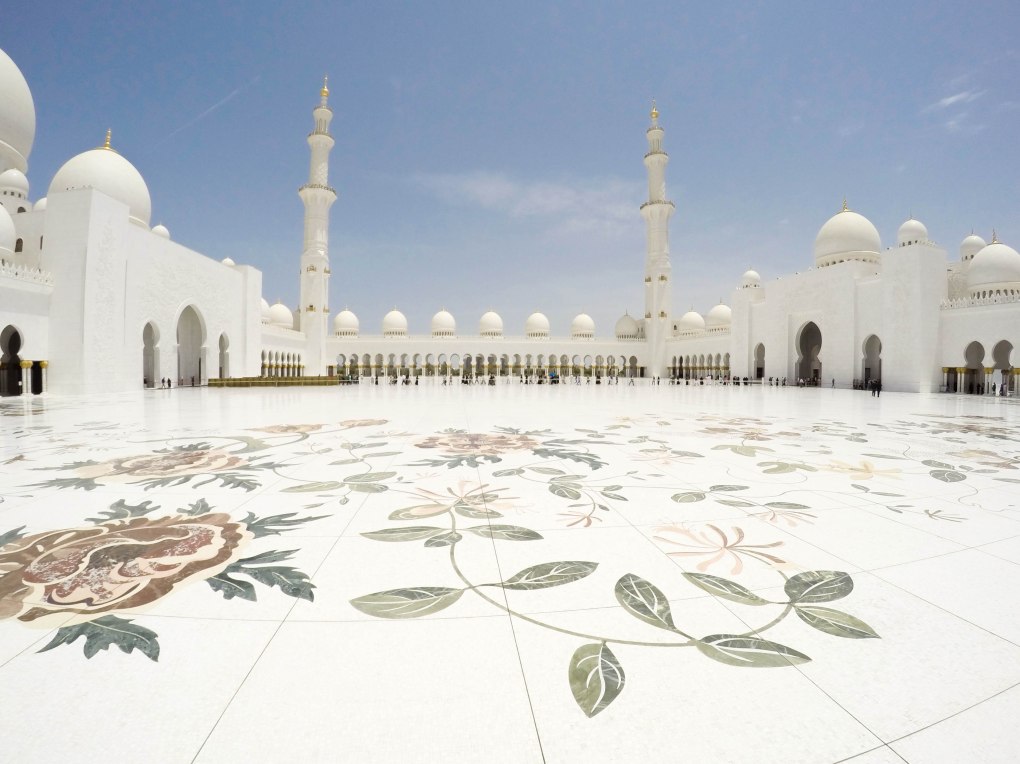
The Grand Mosque- Exquisite and traditional, this mosque is among one of the largest in the world and was definitely our highlight in Abu Dhabi. From the incredible Middle Eastern designs to the world’s largest Persian carpet, it is no surprise why this sacred place of worship is attracting people from around the world. DCIM101GOPROGOPR4691.

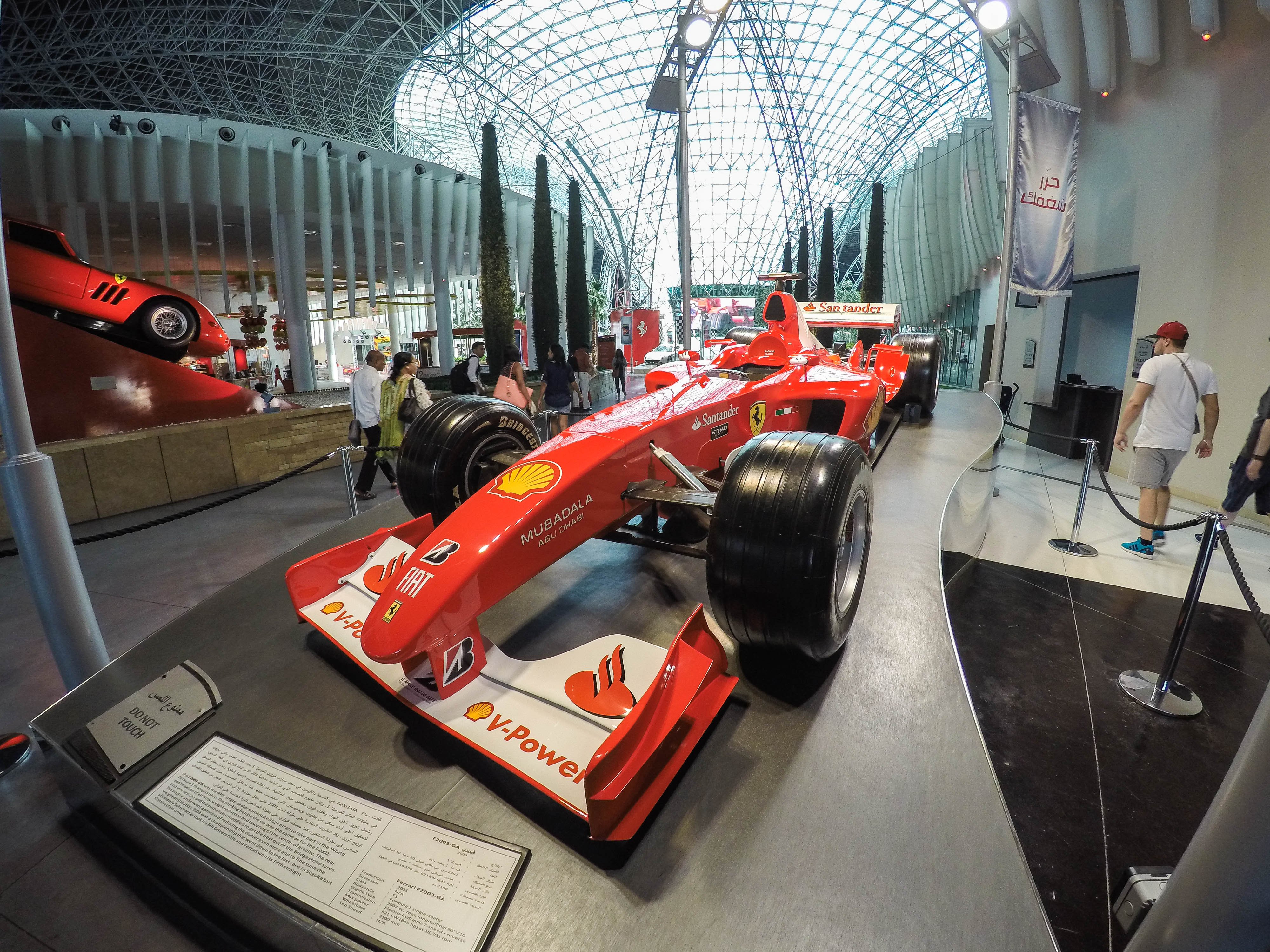
Ferrari World- The world’s first Ferrari theme park and largest indoor theme park in the world. Did you expect anything less? This was a fun day drooling over cars. The complex itself is quite impressive and displays many classic cars throughout the grounds. There are over 20 rides for both children and adults and most people rush to the most popular attraction, the driving simulator, to get their name on a waiting list. I happened to try this in a Formula-1 car that resulted in a terrible migraine due to my wonderful race driving skills. DCIM101GOPROGOPR4578.

The Emirates Palace- You can’t help but feel important walking into a hotel like this one. Surrounded by such elegance and glamour, Enoc and I walked throughout the hotel and did some serious people and car watching. This one tops Dubai’s Burj Al Arab (seven star hotel) in our opinion.

Ultimately, whether in Dubai or Abu Dhabi, one of the many experiences we loved while visiting the UAE was listening to the multiple calls to prayer throughout the day. Below you will find an audio clip of a call to prayer while we were at the mall.

For more pictures please visit the photo gallery (click here) and don’t forget to subscribe below to follow our journey.


10 Days in the UAE

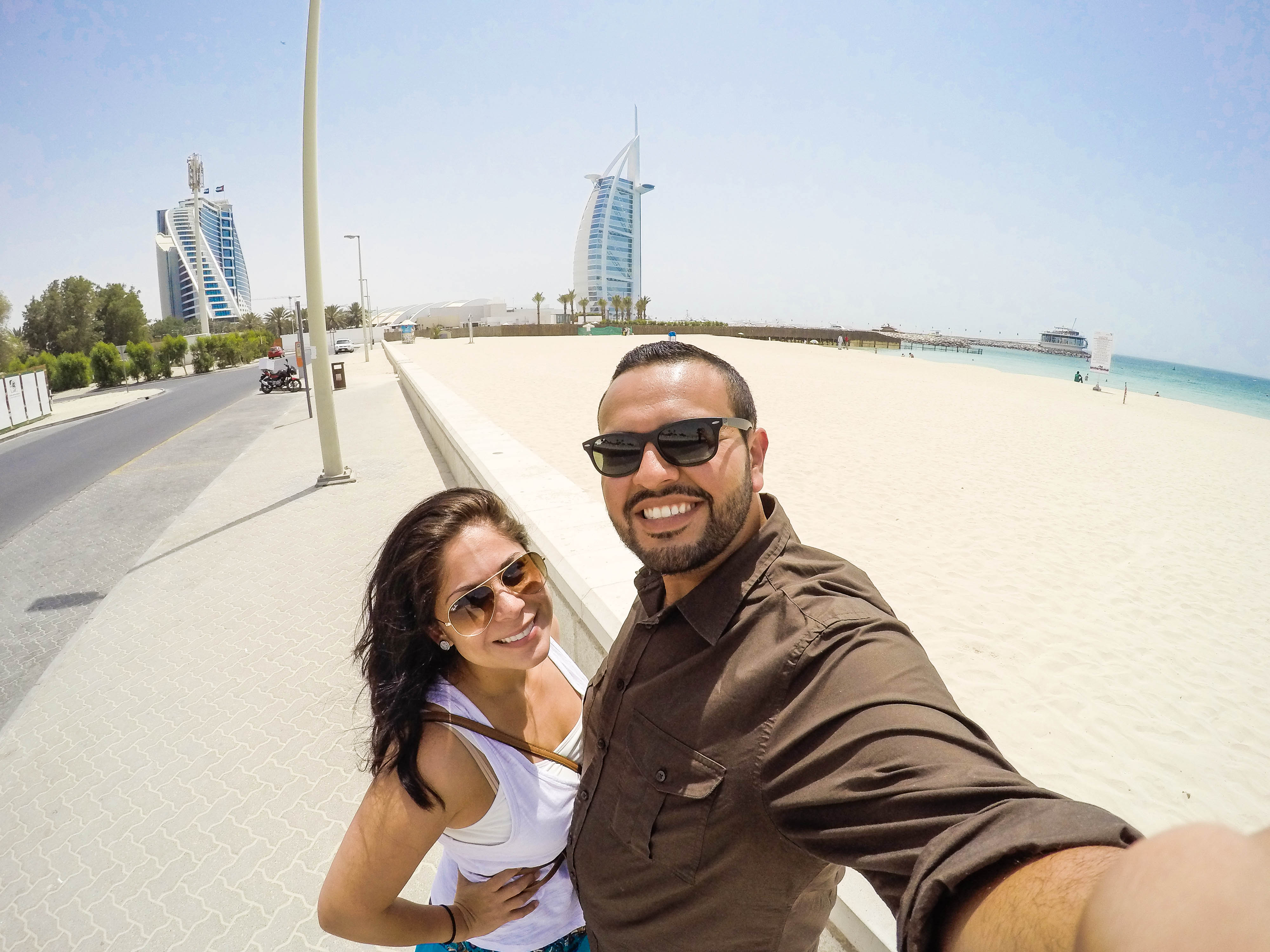
DCIM100GOPROGOPR4261.This was a last minute, long layover turned into quick stop, on our way to Africa sort of thing. Truthfully, it was much more of a holiday than a traveling destination. Yes, we have learned that there is a difference between the two. For example, when we think “traveling”, India and China come to mind. When we think of holiday (or vacation as we Americans refer to it), places like Dubai, Bali and Hawaii seem much more appropriate. In other words, we were deliberately in Dubai to enjoy the hype and not necessarily focus on the daily lifestyle, people, culture, and everything else that comes with traveling and additional time. Dubai was simply fun! After booking our flights, we immediately came up with a budget, booked our stay and agreed on things to see and do. One thing was absolutely certain. I would have to make room in my backpack for two new long skirts, as I knew we would visit Mosques and other religious surroundings.

DCIM100GOPROGOPR4054.This Middle Eastern country (located in Asia for those who were wondering) is a federation of seven emirates each with a separate ruler. We visited two of the seven: Abu Dhabi (largest) and Dubai. The weather was hot and humid! We were there in late May and could not even imagine visiting during the summer months of June through August. Still, we were able to visit the beaches and take a nice cruise in the Dubai Marina. The maximum time we spent outdoors before needing a cool down was no more than one hour before sunset. After sunset, it was quite nice. We spent most evenings out and found this time of year bearable. We hear this is not possible during the hot summer months. Luckily, getting around in Dubai does not require much walking outside. In fact, all means of transportation have air conditioning including the waiting areas at bus and train stations.

Like most people, we were concerned about the dress code and came to realize that tourists end up wearing what they want anyway. It’s a bit ignorant in our opinion. Visitors should show respect to the country they are visiting and dress accordingly. Be that as it may, unless you are visiting during Ramadan (holy month), there is no strict dress code and you are free to wear what you want in most public places. However, mosques and religious surroundings require women’s heads, arms and ankles to be covered. Thankfully, most offer an over garment known as an abaya. I was asked to wear an abaya on one occasion and was also turned away at a Mosque for not having my arms covered. Maybe if it wasn’t so hot I would have remembered to take some sort of covering, but that was the last thing on my mind. Hence, my admiration for Arab women and their sense of commitment should be noted. Even though most Arab women only show their face (some only eyes), we noticed they use heavy eyeliner and a colorful make up look, which is absolutely beautiful in my opinion. It was difficult not to stare.

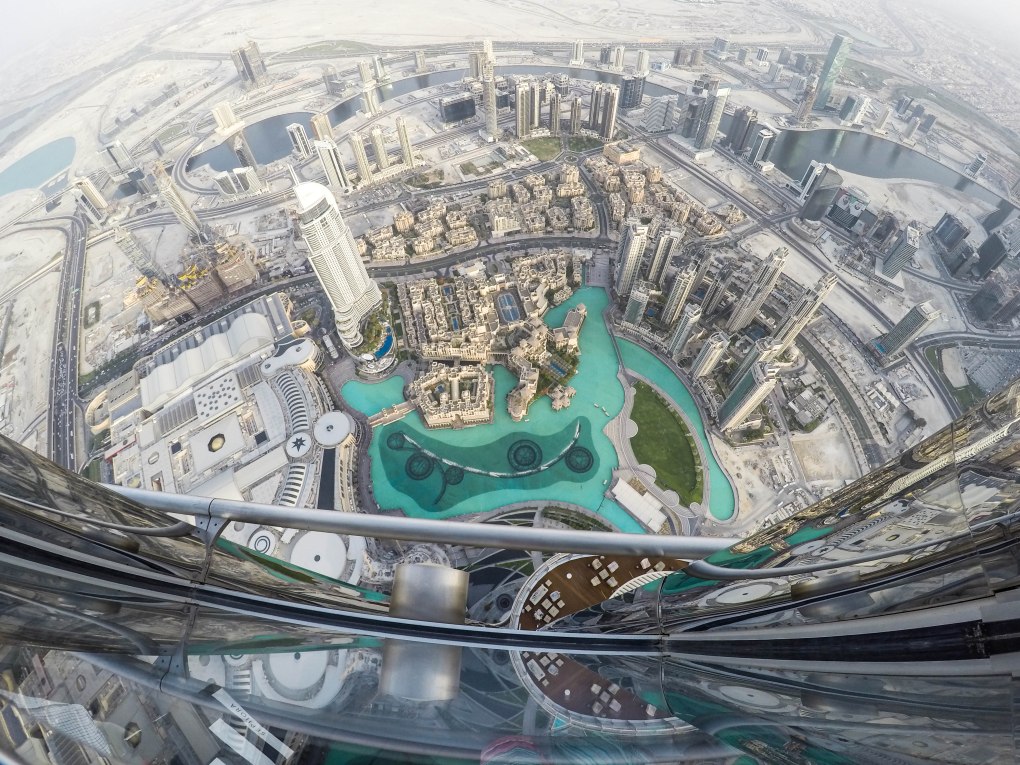
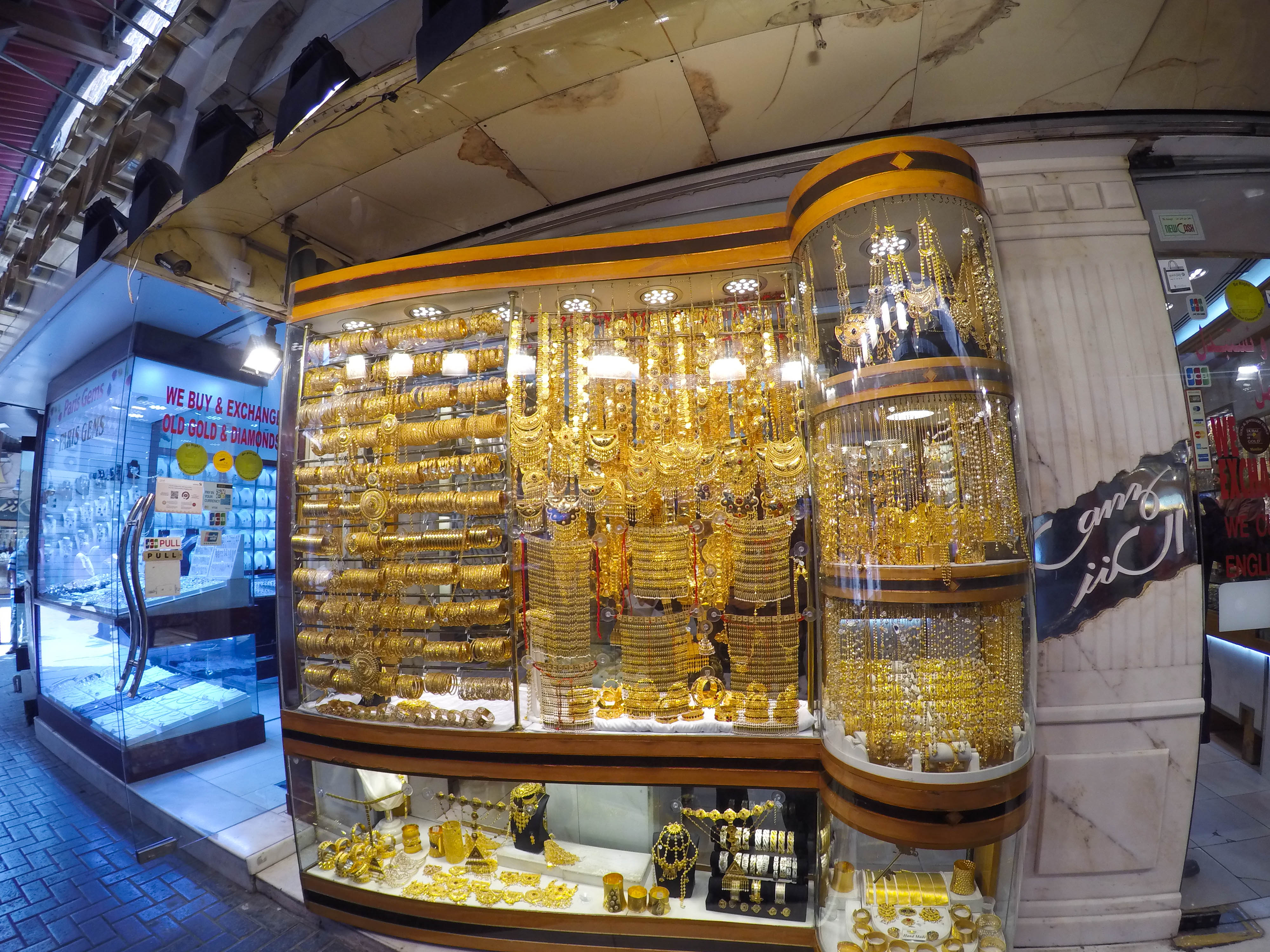
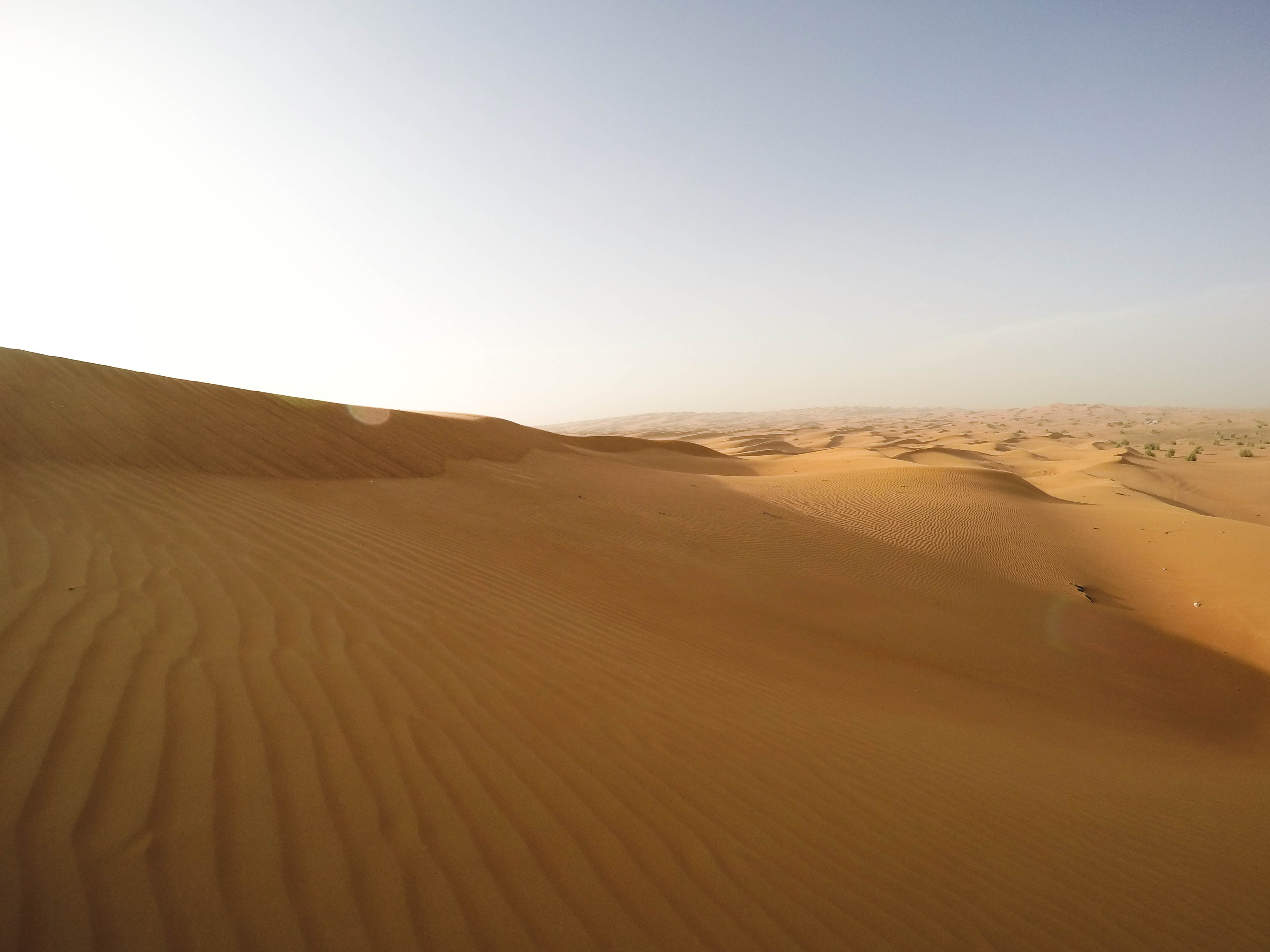
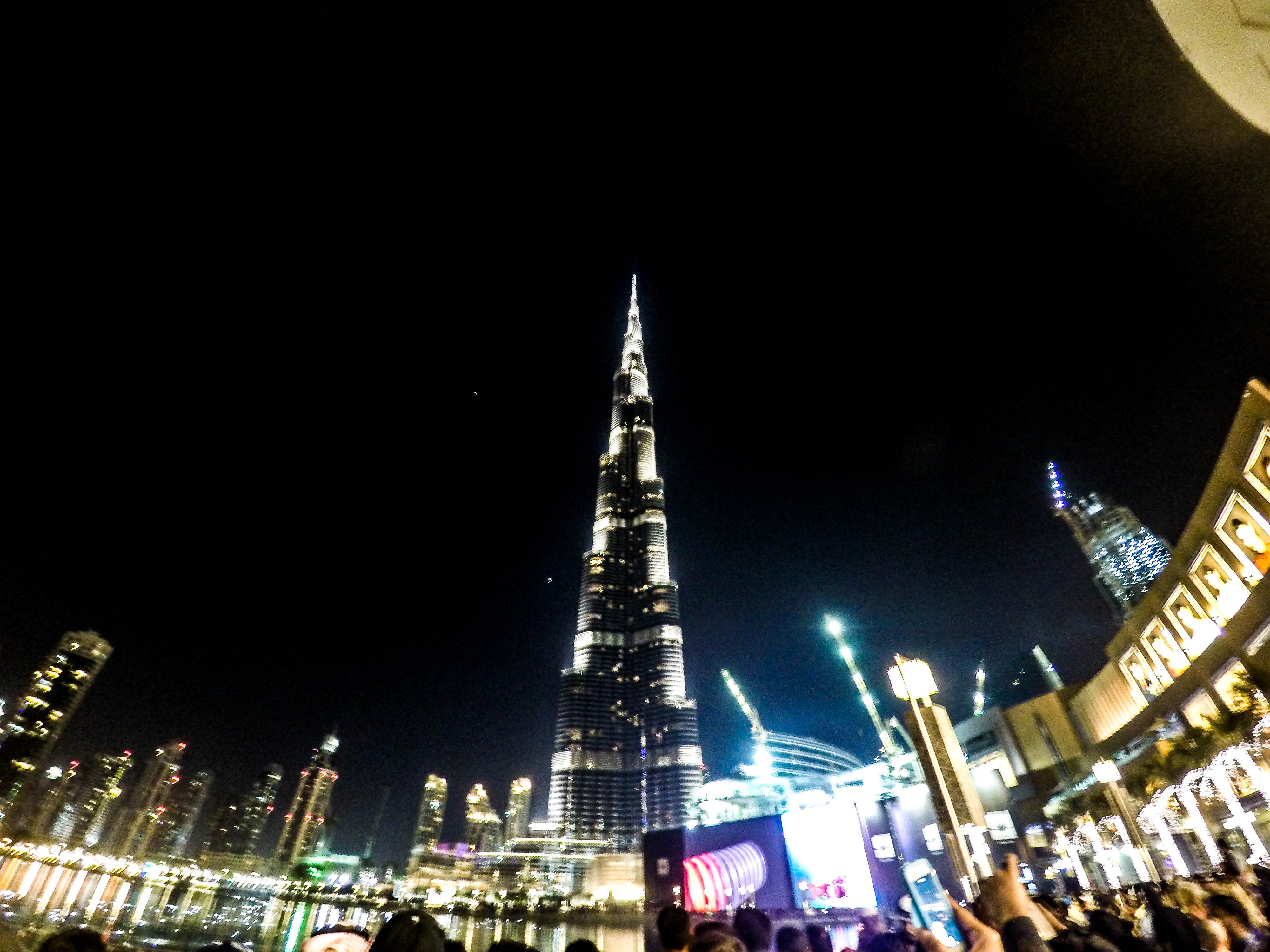
DCIM101GOPROGOPR4900.Some of our favorite experiences while in Dubai consisted of the following: visiting the world’s largest mall (Dubai Mall), the world’s tallest building (Burj Khalifa), the world’s tallest hotel (JW Marriott), sand dune bashing and sunset in the Arabian desert, listening to the call to prayer multiple times per day, the fountain spectacle, the souks (markets), the Arabian gulf, and speaking with taxi drivers. We met drivers from India, Pakistan, Ukraine and Syria. None of them were from the UAE. They each had an interesting story to share about what led them to Dubai. In a nutshell, they left their home countries for employment, to send money to their families, or for safety reasons. Did you know Dubai has a crime rate of less than one percent? In fact, some of the drivers and people we met that were not from the UAE argue that the laws are too strict. Although it may be safe, they mentioned you could be severely punished for simple actions such as taking non-prescription medication or chewing gum on the streets during holy month.

DCIM101GOPROGOPR5099.Finally, one cannot mention Dubai without touching on the obsession for skyscrapers and reflective buildings that cause the city to shine both during day and night. Several times, we caught each other gazing off at these impressive structures that surround the city. We found it incredible to see how much had been built in such a short amount of time and how many massive projects are still in the works to be completed within the next year or so. This raised some questions and encouraged us to do some research on the people building these world wonders. Unfortunately, the truth was not as captivating. According to numerous sources, migrant workers are working endless days and kept isolated all for Dubai luxury. This is an interesting topic that may spark more buzz in the future and possibly impact the overall tourist perception.

True Story: Enoc was spoken to in Arabic more than a dozen times. The locals assumed he understood each time and seemed confused when he responded in English.

Feel free to visit the photo gallery (click here) to see more pictures of Dubai.


The Big Island in South America

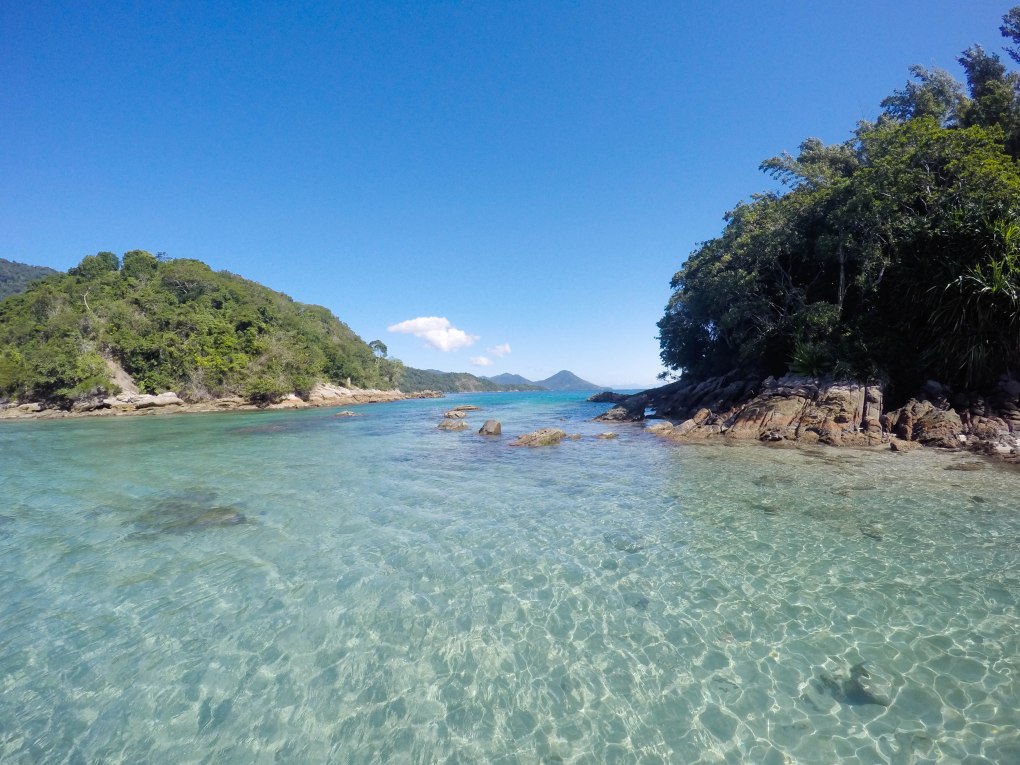
Brazil is home to one of the most beautiful tropical islands off the coast of Rio de Janeiro, Ilha Grande (Big Island). When traveling, a common expression you hear from locals in each country is, “You must go to…You can’t leave without visiting…” which never fails to leave a passionate heart wanting more. Unfortunately, it is nearly impossible to visit everywhere on one journey, but we did our best to fit this particular one in on the route. So, we returned to Brazil after Peru to spend a couple days on the island and see what all the hype was about.  Although our plans were last minute and we lost a few flights along the way due to weather conditions, Ilha Grande was wonderful (especially after the trekking on the Inca Trail) and exceeded every one of our expectations.

There are a couple ways to reach Ihla Grande and all quite inexpensive. We purchased a bus ticket via Costa Verde the morning of our departure and found it to be quite comfortable and luxurious. Everyone must first travel by road to one of the three ports that take you to the island via ferry or water taxi. However, the port really depends on your accommodations. Many visit the busy and popular city of Angra Dos Reis and find a boat transfer to the island for day trips, which is absolutely possible. For us, it was a Pousada (Inn) on the island and not far from the island center, Vila do Abraão (village of Abraão). As a result, we got off the bus at Conceição de Jacareí (about 45 minutes before Angra) and took a fast 20-minute speedboat to Ihla Grande.

DCIM100GOPROGOPR3592.

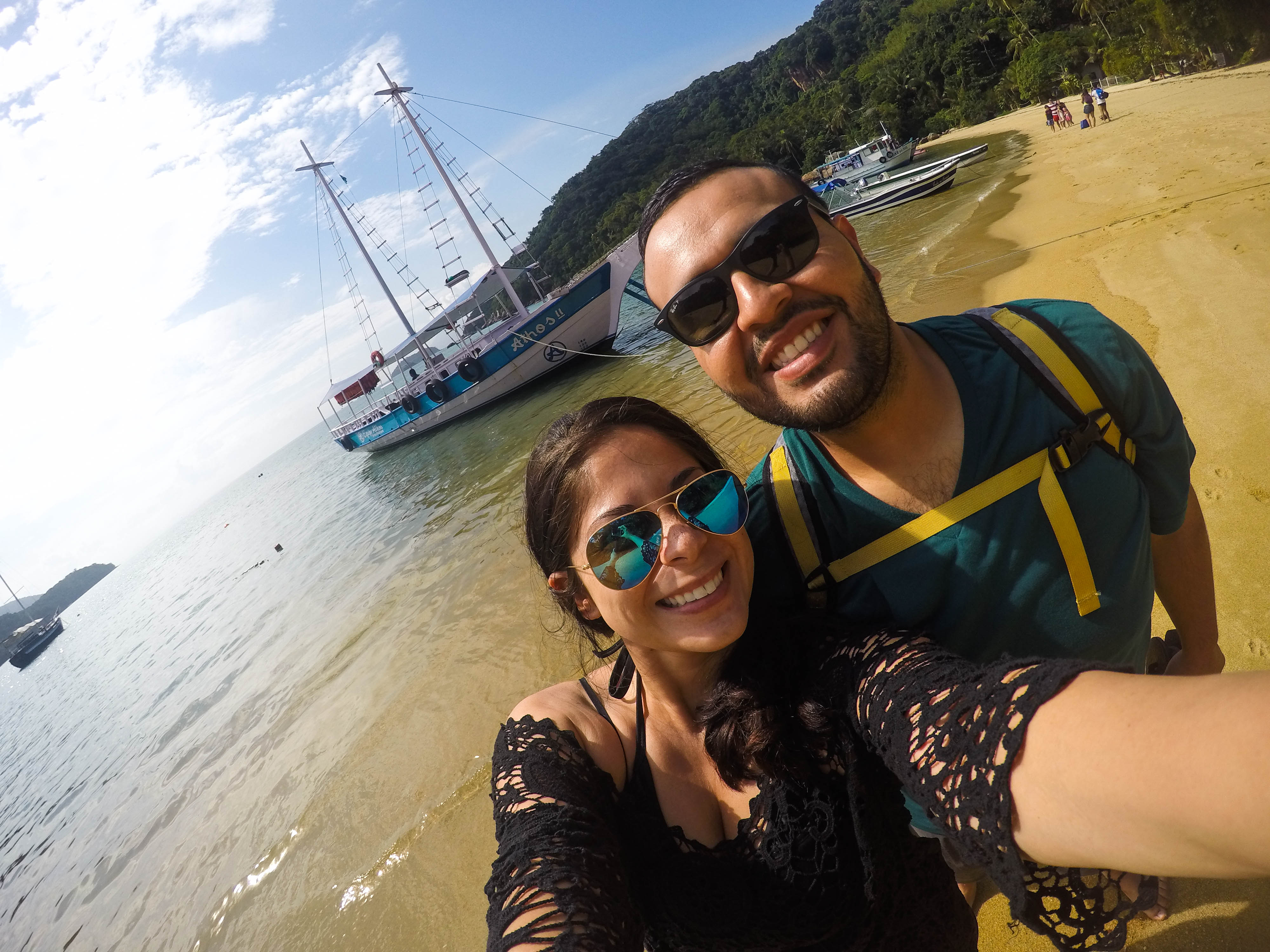
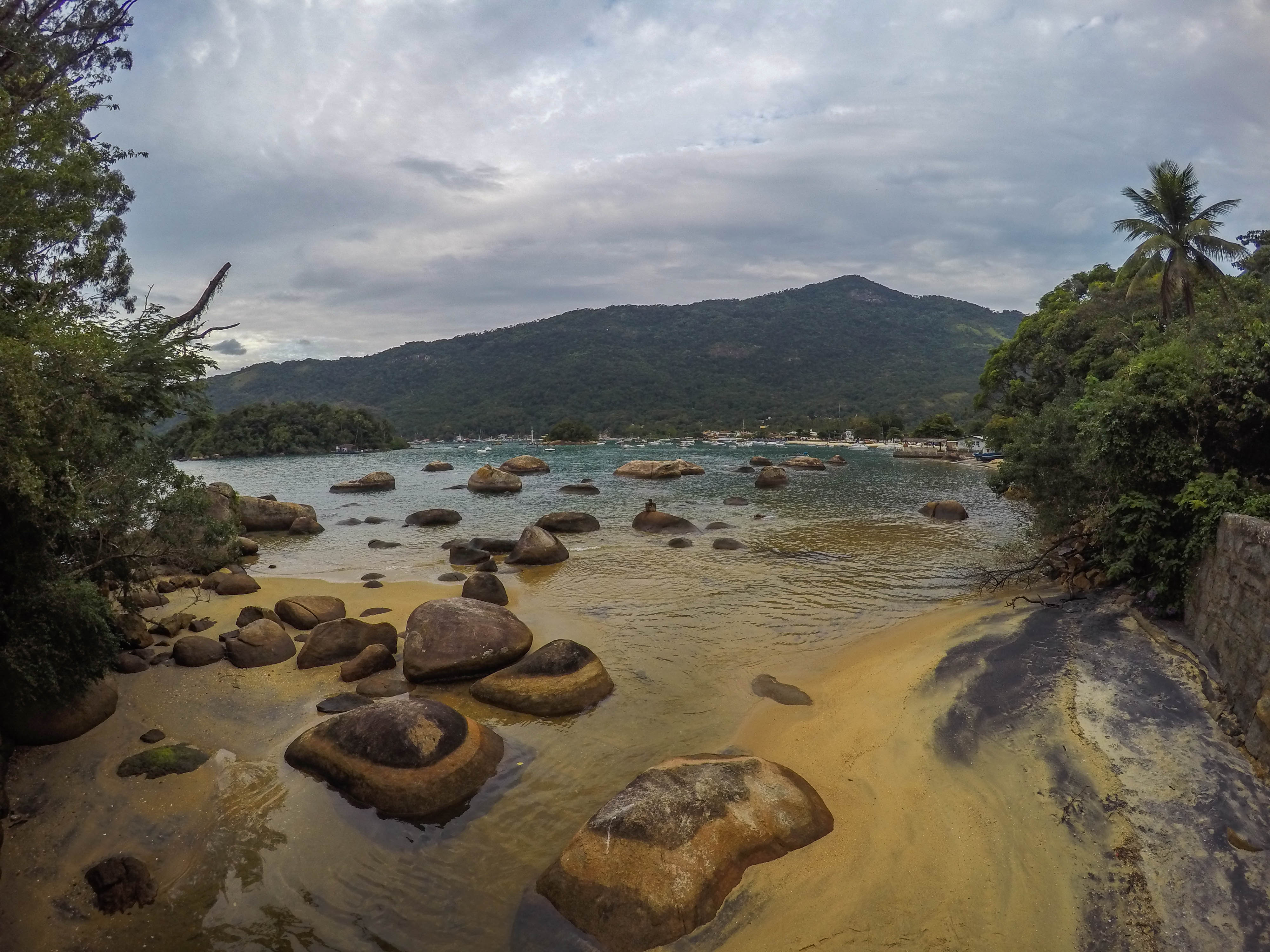
The island itself is comprised of dirt roads and a few local bars/shops on Vila do Abraão. The scene was casual and relaxing when we visited, but is known to be quite the opposite during the summer months.  With very little connection to the real world, you truly feel at peace in the midst of such paradise. According to our lovely hosts at Pousada Ouro Verde, there are approximately 95 beaches on Ihla Grande and many of which demand physical work before enjoying. A hike, boat ride, or both are usually required for some of the most pristine sites on the island. We managed to do a little bit of everything in such a short time and even had a nice dinner with friends who we happened to run into unexpectedly.

DCIM100GOPROGOPR3546.

As it turns out, we were rather lucky with the beautiful sunshine during our three-day stay and enjoyed each day to the fullest. From black sand to white sand beaches, tranquil natural pools to waves and snorkeling, colorful sunsets and delicious local cuisine, Ihla Grande proved to be breathtaking.  Among our favorites were trekking to Lopes Mendes beach (rated #1 by many sources), Lagoa Azul (Blue Lagoon), Lagoa Verde (Green Lagoon), and the exciting full-day speedboat ride around the island that offered spectacular views and stops along the way.

Check out the video above and visit the Photo Gallery (Click Here) to live the full experience.


Live, Love, and Relax in Rio

One of South America’s most stunning places and home to the refreshing caipirinha, endless churrasquerías, white-sand beaches, immaculate rain forests and of course, the undeniably beautiful sun kissed bodies. Like most who have not yet visited the country of Brazil, we were eager at the mere thought of having this on our agenda. This is, after all, the exotically attractive destination of which we all spot in travel magazines, see in movies and perhaps even dream about (for those of us who do that sort of thing). For us, there was also a sense of curiosity because we had been mistaken for Brazilians ever since we started our travels. For the record, neither of us speaks nor understands Portuguese. Luckily for us, Spanish and English are accepted equally.

We arrived in the country at about midnight and like most first timers, were a bit skeptical about taking a taxi this late given the safety issues we were warned about prior to our visit. In fact, we had heard horrible things about Rio and the truth is, most are true. So, the trick is to take care of your belongings, don’t carry too many valuables and be mindful of your surroundings at all times. It’s obviously not rocket science and should be a practice everywhere you go. For us world travelers, we don’t carry much, never look flashy and hardly ever go looking for trouble. Thankfully, we have no incidents to comment on thus far and truthfully, we found the locals to be rather friendly and helpful. Our goal is to go with the flow of the people and in this country it’s all about making the most of each day and living the good life. IMG_8957Blog

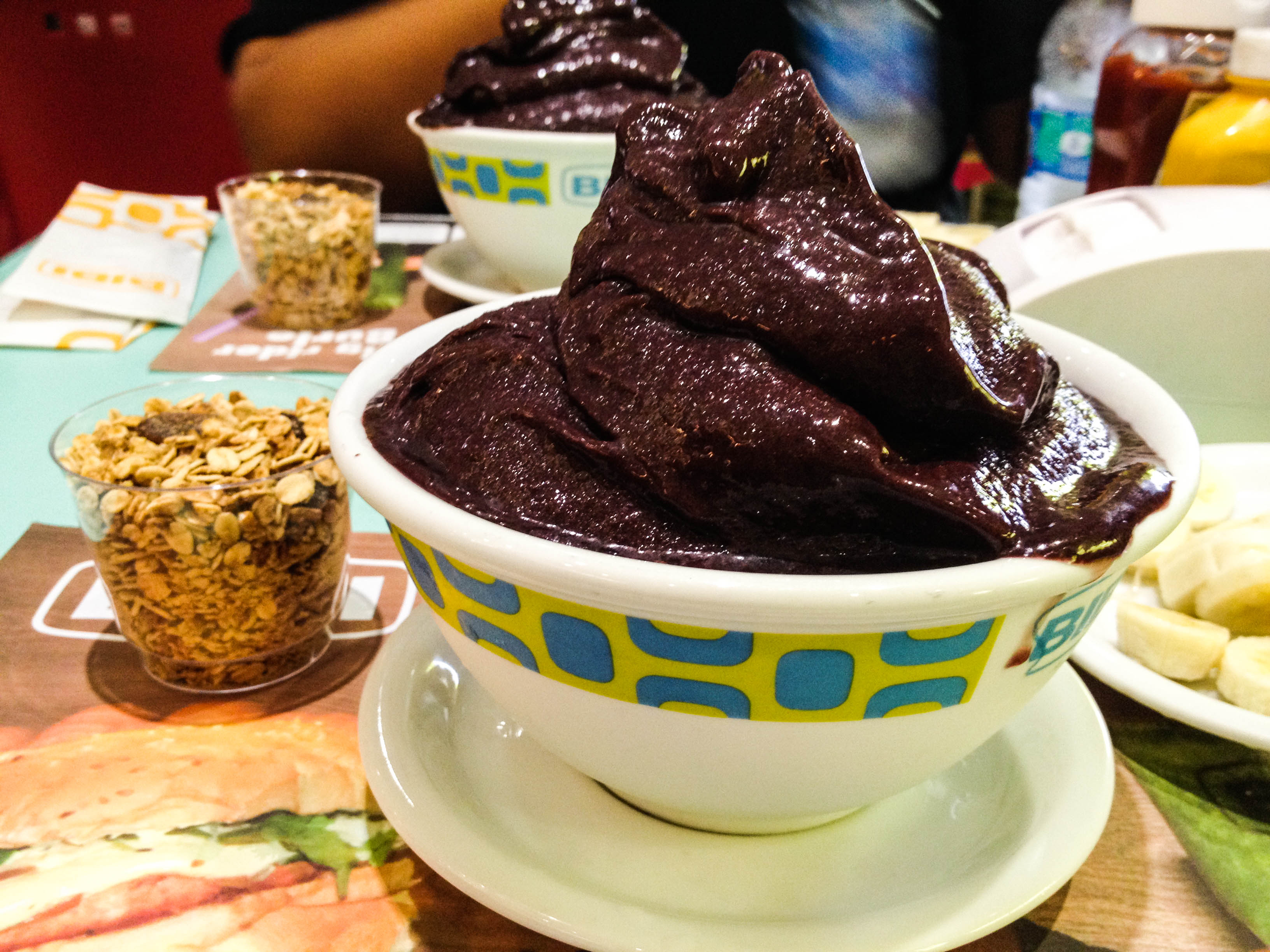
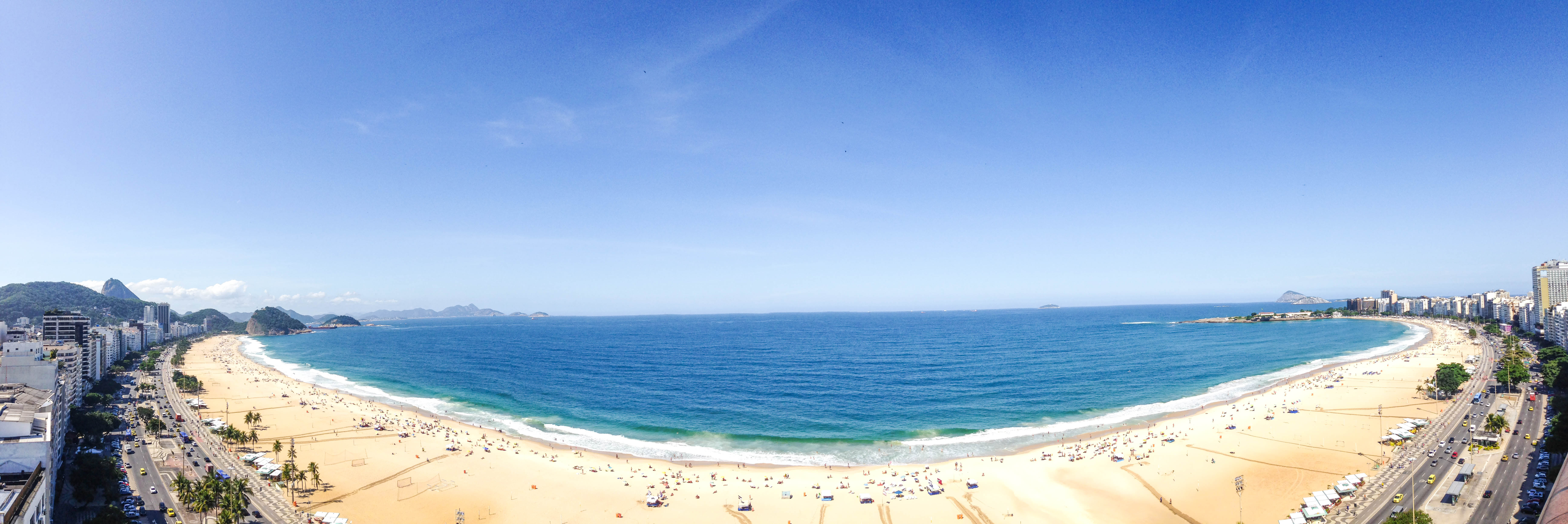
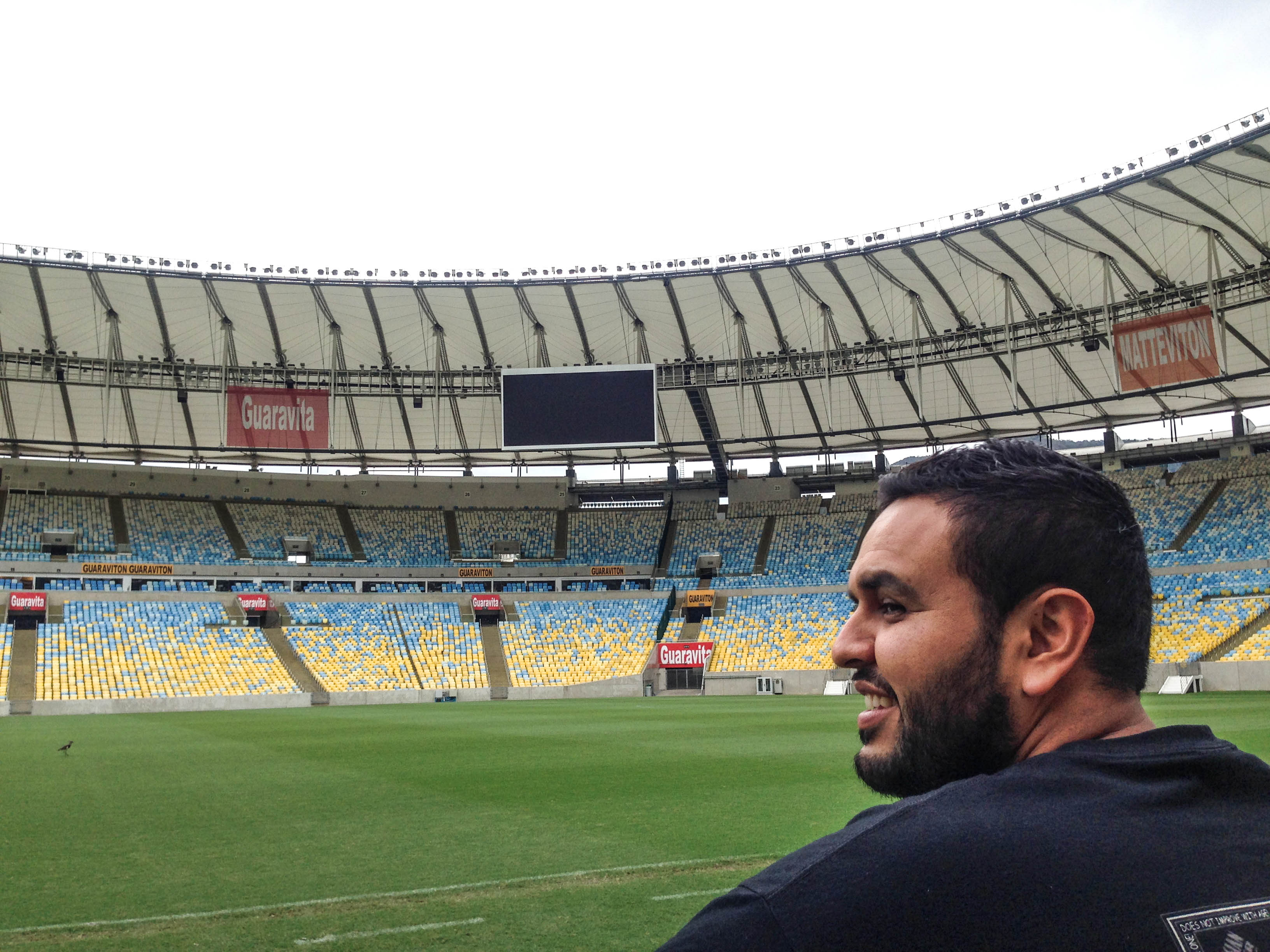
Our days in Rio were relaxing and normally began with a large Açaí Tigela (Acai bowl) from the nearby and popular restaurant BIBI. In addition to the famous Brazilian steakhouses, which we found to be better in Argentina, the deep purple blueberry type frozen acai bowl is a traditional Brazilian phenomenon. The bowl is usually topped with banana and granola and definitely deserves all the hype, as it is absolutely delicious. After a fully satisfied appetite on a particular Sunday morning, there was not much left for the imagination as we walked out of the restaurant and strolled the streets of Copacabana. People lying half naked on the beach, Futevôlei (combination of beach volleyball and soccer) that is worth watching, beach bars serving fresh drinks and walks on the beach with incredible sand sculptures and views of sugarloaf mountain.  Inspired by this vibrant city full of life in color, we began to check off some bucket list items. IMG_5828Blog Once, the world’s largest soccer stadium with record-breaking standing capacity, and currently the most iconic stadium in South America, Maracanã abides in the center of Rio de Janeiro. For safety reasons, the stadium is now a sitting venue but still remains the mecca for soccer in Brazil. Our Maracanã experience was nothing less than impressive. Getting there from Copacabana was simple thanks to the city’s top of the line Subway which stops directly in front of the stadium. We started with a tour of the locker rooms where jerseys from different players of the 2014 World Cup were displayed. We continued towards the tunnel leading to the magnificent field where breathing becomes heavy after thinking of all the legends that dribbled a soccer ball in that same stadium. Legends like Garrincha, Zico, and Pele. To stand here, imagining the crowd cheering with relentless passion for the sport that represents the country of Brazil and so many others worldwide is just surreal. Weather a soccer fan or not, this stop is a must.IMG_6038Blog

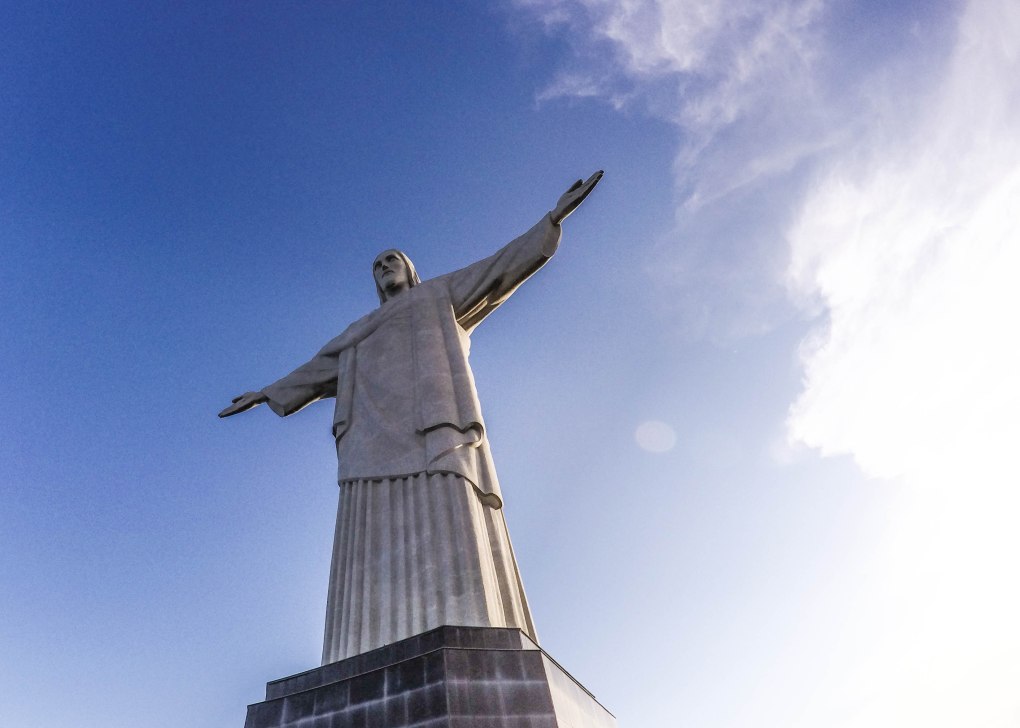
Another memorable experience consisted of visiting the obvious tourist attractions: Christ the Redeemer Statue, Sugar Loaf Mountain and the Sambódromo (carnival parade stadium in Brazil where samba schools parade competitively each year). As we made our way to these world wonders, it was impossible to ignore the colorful hillside Favelas (a slum or shanty town in Brazil; predominantly in Rio and São Paolo). Perhaps just as famous as some of the city’s top tourist attractions, Favelas are becoming more attractive because they provide a completely different perspective to the cultural reality of Brazil. Although we did not visit a favela, we are interested to learn more about these developments and compare with what we have seen and will continue to see in other countries. We hope to share some insight in future blog posts.

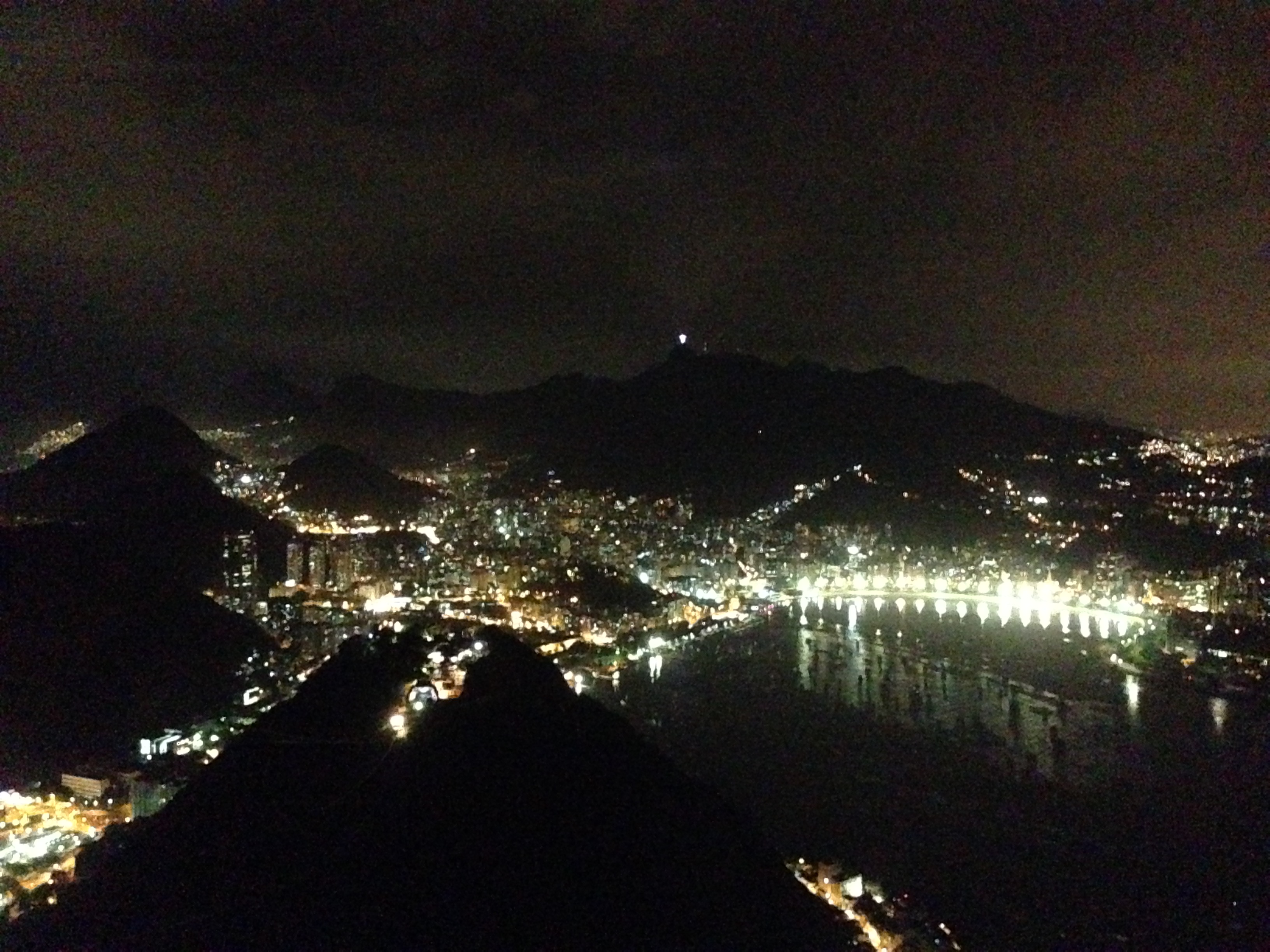
IMG_5934Christ the Redeemer was absolutely stunning! Much bigger than we had imagined and truly a beautiful work of art that overlooks the January River (Rio de Janeiro). There are three ways to reach the statue on Corcovado mountain: train, hike and car. We went up by car and spent some extra time at the café on top, enjoying a bowl of acai and overlooking the man himself. We would say this was the highlight of the trip, but unfortunately the spectacular views from Sugar Loaf Mountain and the cable car experience certainly act as a competitor. Somehow, we managed to make it to Sugarloaf at sunset and spent an evening staring over a beautifully glowing city from the top of the mountain.

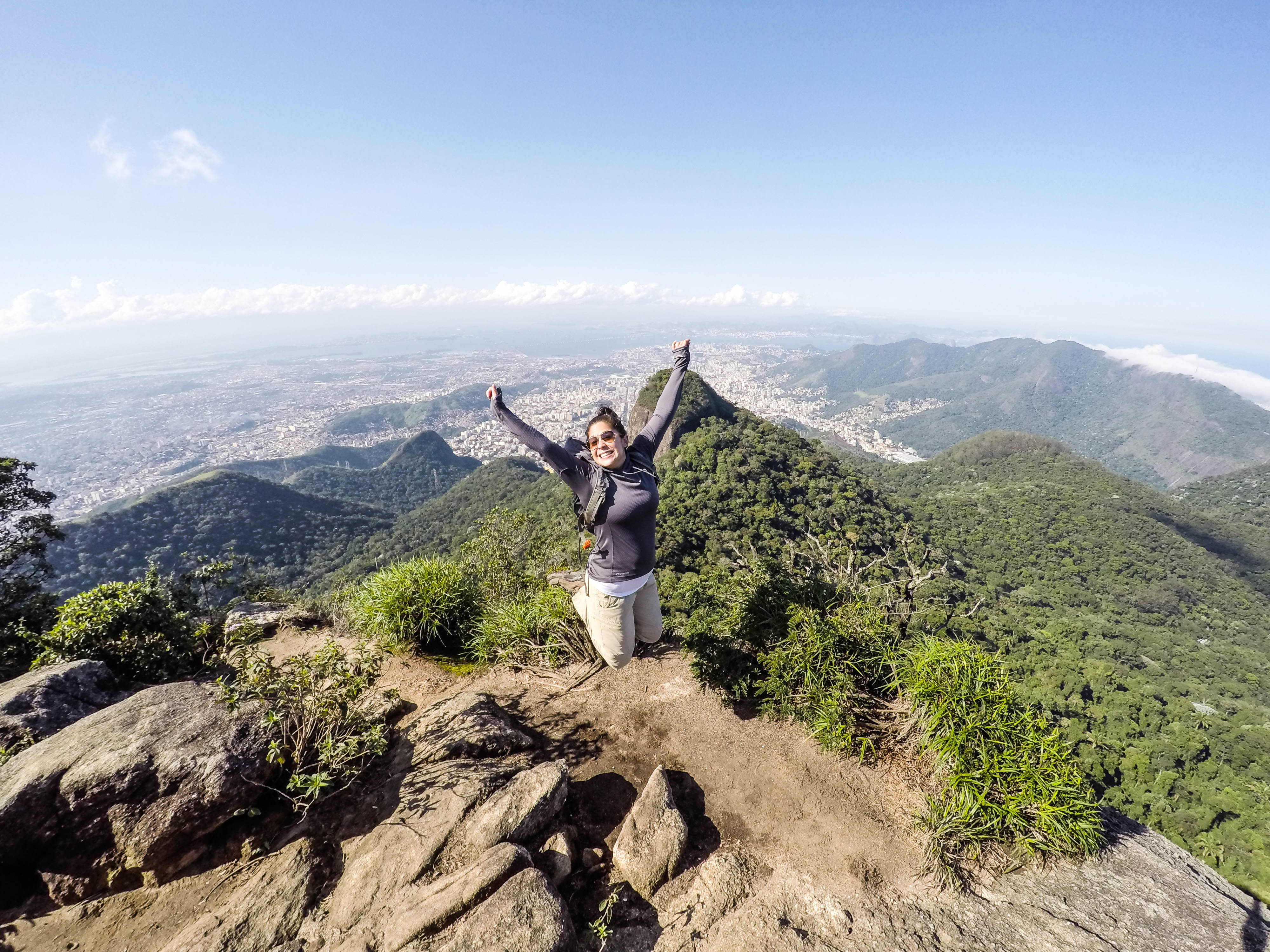
Although these top tourist attractions have earned their respective stars on trip advisor and lonely planet, the main highlight during our time in Rio was an 8-hour hike in the Tijuca tropical rain forest and National Park. Sounds absolutely nuts right? Well, it was. The hike itself was not a walk in the park. It was physically challenging and we couldn’t have done it without an expert guide who led us to some of the highest peaks. The Tijuca Forest comprises the largest urban forest in the world and is considered a World Heritage Site. While the forest provides a combination of waterfalls, plants, flowers, birds, viewing platforms, trails, insects, spiders, snakes, exotic wildlife and much more, the panoramic views of the city from up above are absolutely unreal and make the visit that much more memorable.

DCIM100GOPROG0022680.

Rio de Janeiro was a wonderful introduction to the country of Brazil and has left a long lasting impression. We are eager to experience more of this beautiful country and look forward to our return.

Fun fact: Cindy was stung by a bee twice in one day, nearly ended up in a hospital due to an allergic reaction and was two seconds short of being hit by a public bus.

To see more pictures visit the photo gallery (click here).


Colorful Cusco

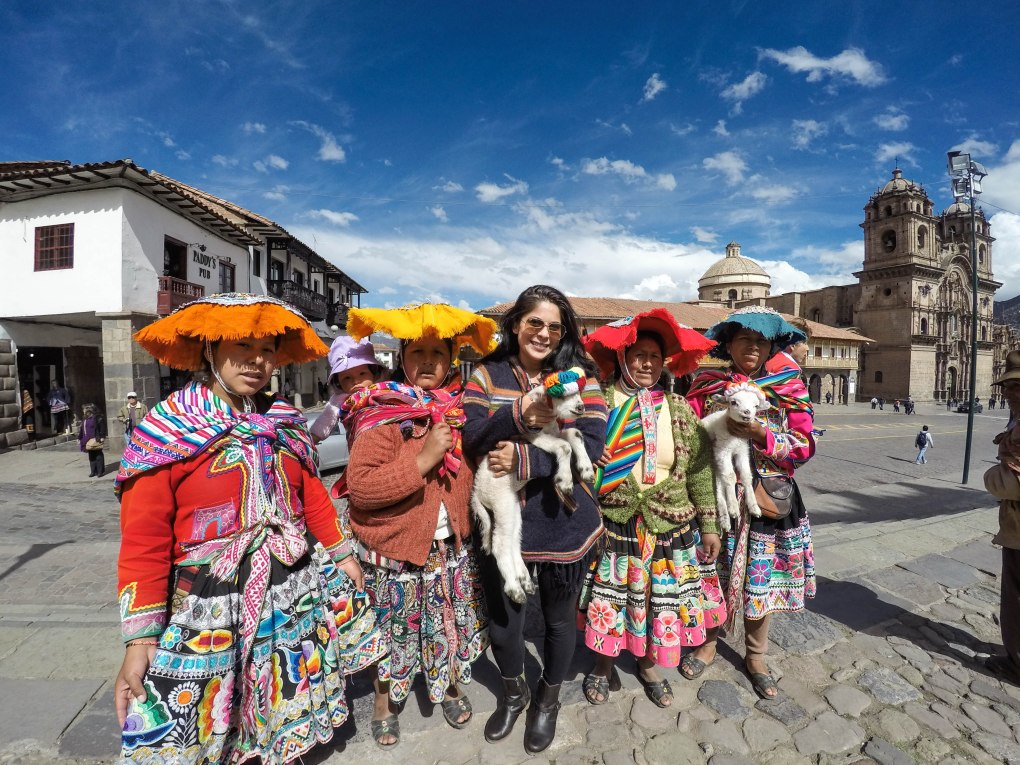
Before we began the Inca Trail and after the most challenging hike of our life, we walked the beautiful streets of Cusco and fell in love with its rustic charm and character. We indulged in the delicious peruvian cuisine and had quinoa in practically every meal (quinoa soup, quinoa salad, quinoa patties, quinoa cookies, etc). In fact, we considered ourselves part-time vegans. We had lunch at our favorite vegan restaurant named Green Point every single day. In Cusco, it is common to find a set lunch/dinner menu in almost every restaurant. The menu at Green Point for lunch was a total of 24 soles for two, or eight dollars. This included salad, soup, main course, dessert, drink and as it that were not enough, the food was absolutely delicious! What we didn’t try was the traditional delicacy, Cuy (guinea pig). There is no explanation, we just couldn’t do it.

Cusco was the first city in our travels where we did not worry about safety. Going out in the evening, walking on the streets, taking out a camera, money, riding in taxis, speaking to locals, it never felt dangerous. The city depends so much on tourism and therefore, welcomes visitors and provides sincere and friendly service. Unfortunately, we cannot say the same about Lima. In addition, we experienced it to be extremely cost effective. Although most of our time was spent in a private room at someone’s house (Airbnb), it was not expensive and exposed us to the true local experience.

Surrounded by wonderful culture and history, Cusco is an amazing destination to visit. We hope you enjoy this short video of the colorful city.


To see more of Cusco please visit the Peru Photo Gallery (click here). And don’t forget to add your email below to follow our journey if you haven’t already.


The Inca Trail to Machu Picchu

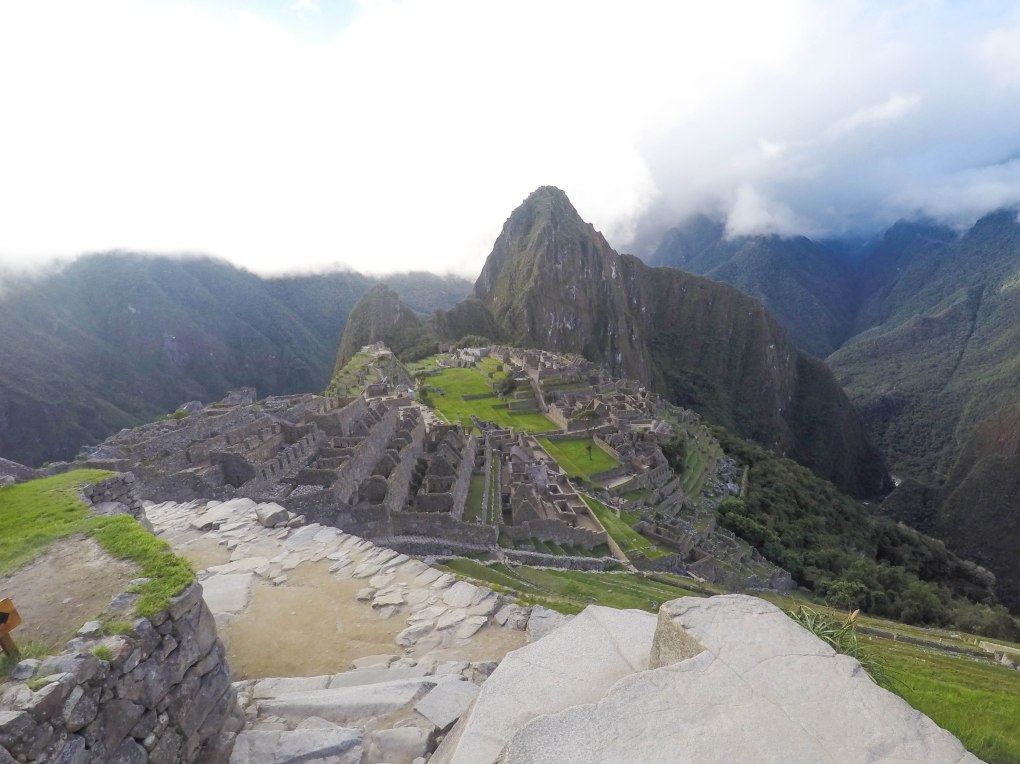
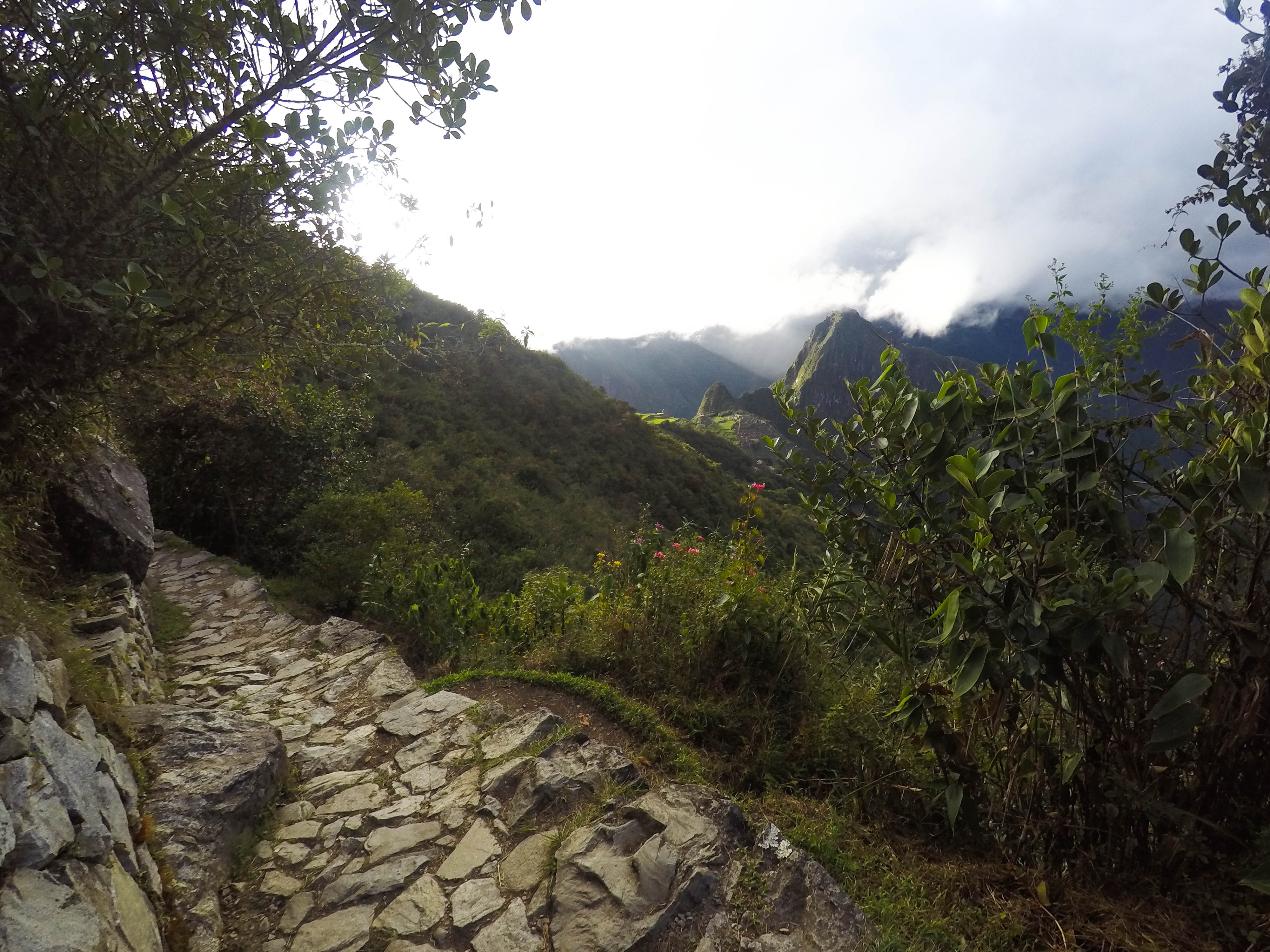
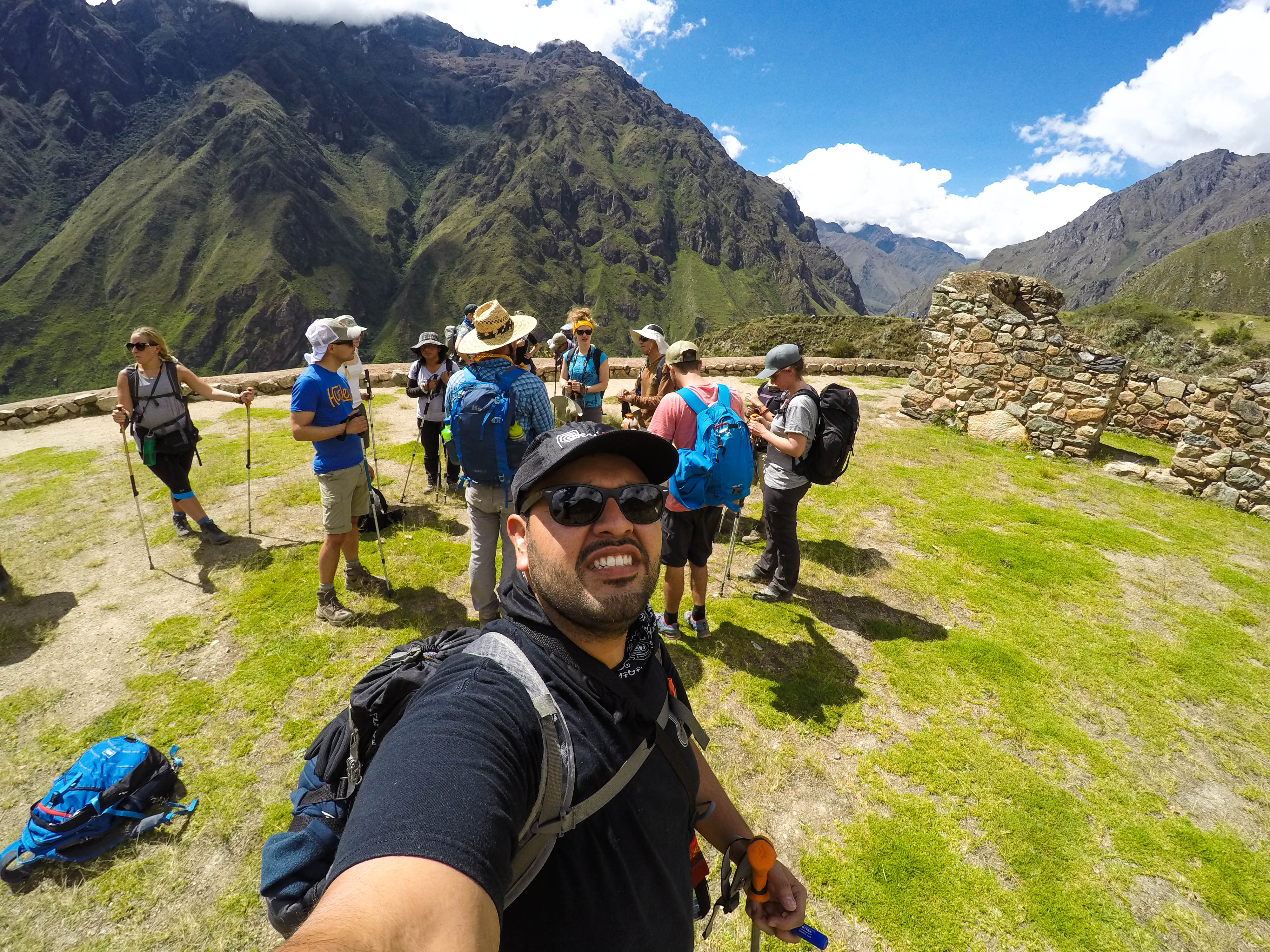
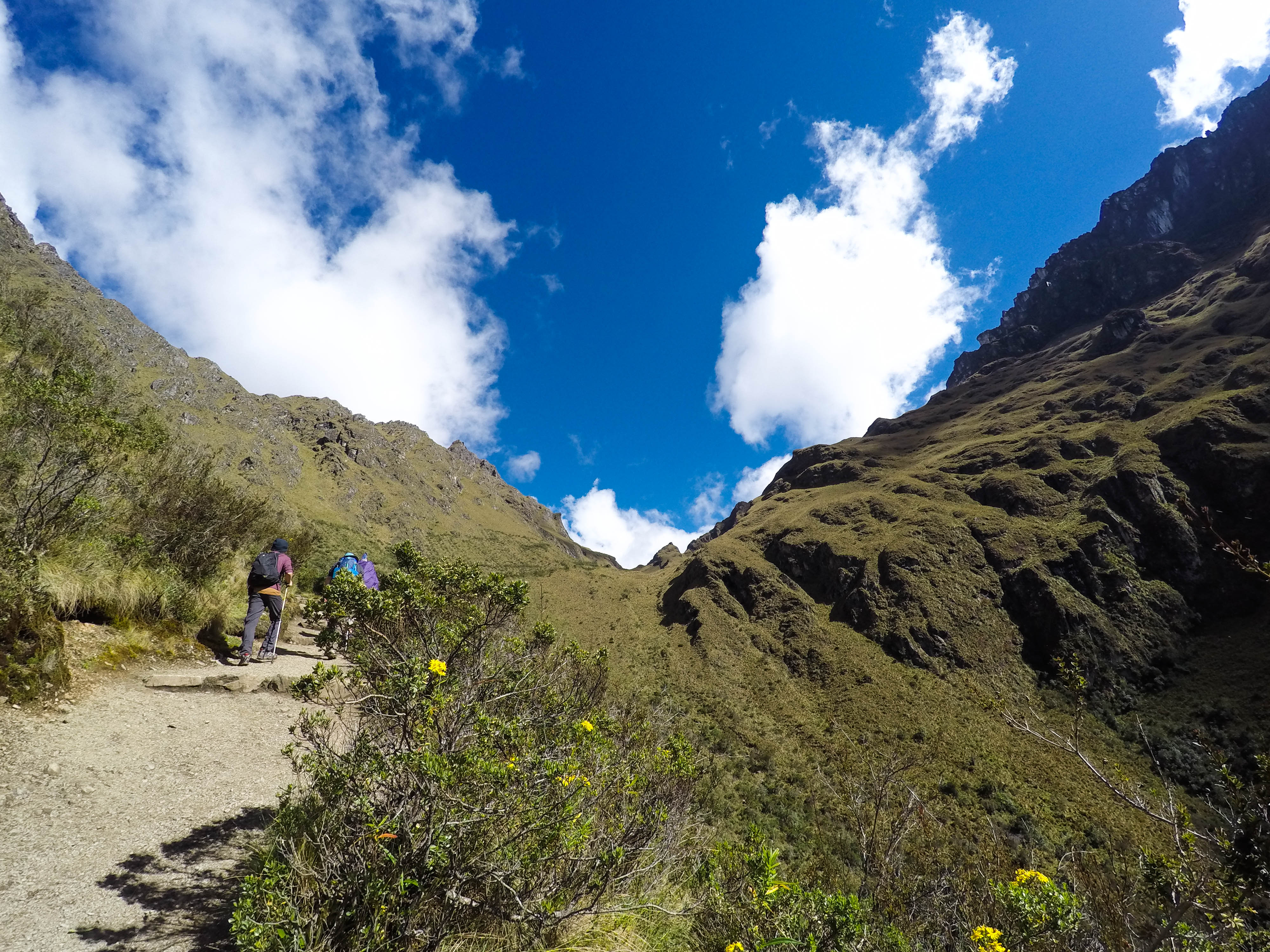
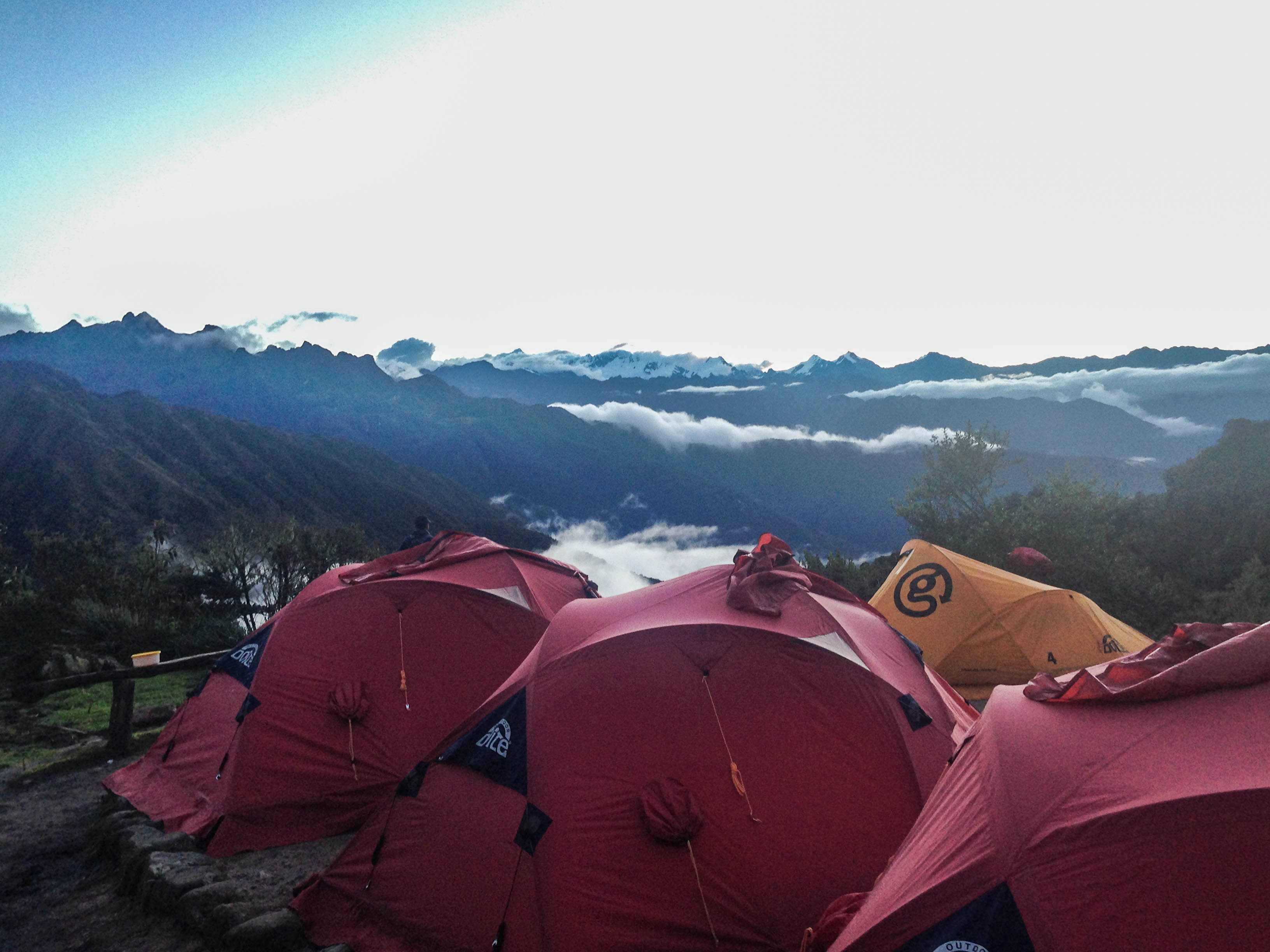
Why hike the Inca Trail when you can take the train to Aguas Calientes and catch the bus to Machu Picchu like most people? Three months ago we were thinking, we have the time so, why not? After all, it is considered one of the most famous treks in South America and is rated quite high worldwide. Now, after completing what we can best describe as the most challenging couple days, we realize there is so much more to thDCIM100GOPROGOPR2793.e Inca Trail than we ever anticipated. Somehow, in just 27 miles, it manages to combine a magnificent mountain landscape, sub-tropical jungle, dreamlike cloud forests, impressive Inca ruins and an appreciation for existence as we walk in the footsteps of the Inca to the ultimate reward, the magical lost city of Macchu Picchu. This has been, by far, the most physically demanding experience for both of us and yet, the most inspiring!
DCIM100GOPROGOPR2792.

For safety reasons and reliability, we booked a tour. Side note: tours must be booked well in advance as there are only a certain number of permits allowed per day on the Inca Trail. We were lucky to book only 5 months before and guarantee a spot. This particular tour consisted of a four-day (three night) trek to Machu Picchu and three additional nights exploring nearby cities and ruins. Or, so we thought. During our first team meeting we were told we would be completing the trek in three days, instead of four, because one of the campsites had collapsed due to a landslide. This meant longer days with accelerated trekking, less time acclimating to the high altitude and less recovery time between treks. Let’s just say we were not jumping up and down at the idea.

Despite this setback and rigorous challenge, we were lucky to share this experience with a group of people that we couldn’t have hand picked better ourselves. We quickly became an Allyu (Qechua word meaning family).  We were supportive, encouraging, on pitch (for those who were singing throughout the trail) and helped the team remain positive and excited till the end. In addition to the 15 in our Allyu, we had an amazing team of approx. 25 porters who completed the same trail as us except carrying 25 kilos each! Yes, that’s about 50 pounds. Some carried our duffel bags (13 pounds allowed per person including sleeping bag, etc.) others carried tents, kitchen equipment, food and water. We could not have thanked them enough. Watching them pass us up on the trail carrying so much not only motivated us to keep going, but made us respect their job and cheerful attitude despite the circumstances. Of course, it wasn’t very long before Enoc became best friends with all the porters. Ultimately, the people we met and relationships we formed were the true reward on this trail.

Day 1: Cusco-first team meeting and orientation. Enoc and I had already spent three nights in Cusco getting used to the high

altitude (11,150 ft.) and took the appropriate medication prior to the hike. For the record, altitude sickness is not fun and so many people who visit Cusco suffer from one or more symptoms. The first couple of days it was difficult to complete a sentence due to the low level of oxygen at this altitude. Enoc had the terrible headache that most people experience, but by this day we were ready to go!

Day 2: It was an early wake up call at our hotel, hearty breakfast and off to our starting point at Km 82. We were feeling confident toward the beginning, but did not expect the first trekking day to be so much of an incline and began to worry about soreness for the next day. A total of seven hours on the Inca Trail and 9.1 miles later, we were finally at our first campsite and were prepared to freeze to death as the temperature dropped drastically. This was also where we were introduced to the horrible squat toilets. In the midst of mountains, the porters prepared delicious food and made it extremely difficult to limit consumption. No electricity, but amazing food, ironic!  So, yes, squatting was the only option unless you chose the women or men’s bush.

Are you wondering about showers? We practiced the wet wipes showers on the trail. Unless you were seeking to catch pneumonia using freezing cold water in freezing cold weather, you were in your tent wiping down to freshness.

Day 3: Five a.m. wake up call with Inca Trail best practice, coca tea. Drinking coca tea and chewing coca leaves was recommended multiple times per day to help prevent altitude sickness and provide energy. We didn’t sleep very well the first night, but we were ready to face the most difficult day on the trail with a smile on our face. Four hours of combined steps and incline early in the morning leading us to the highest peak on the trail known as Dead Women’s Pass at 13, 800 ft. The last two hours of nothing but steps were brutal. Somehow, we managed to keep a positive attitude and appreciate the incredible scenery on the way up. Besides my nose bleeding throughout the day because of the altitude, we felt great after reaching this high peak. One hundred pictures later, it was time to head downhill for three hours. This was possibly harder than the uphill for many of us.

This day was significant because I had to pee in the bushes for the first time ever in my life. I know, shocking. After a total of 10 hours and 9.1 miles later, we reached our second campsite and nearly kissed the tent. This day was by far the most challenging physically, mentally and every other way. However, the location of the campsite helped us get over it quick. This setting was absolutely breathtaking, but even colder than the first campsite. I think we used everything in our duffel bags that night and layered up.

Day 4: Five thirty a.m. wake up call, coca tea and warm water to wash your face delivered right outside your tent. After a fantastic breakfast and a quick stop at the squat toilets, we were hyped to start this day on the trail knowing we would arrive at the Sun Gate before sunset and catch our first views of the much anticipated Machu Picchu. After about seven hours and nine miles through cloud forest, jungle and too much steep uphill and downhill, the beautiful sight of Machu Picchu amazed us. Some of us were even emotional (totally talking about myself).  After this surreal moment and one thousand pictures later, we checked in at a hotel in Aguas Calientes and had a decent shower and most importantly, our kind of toilets.

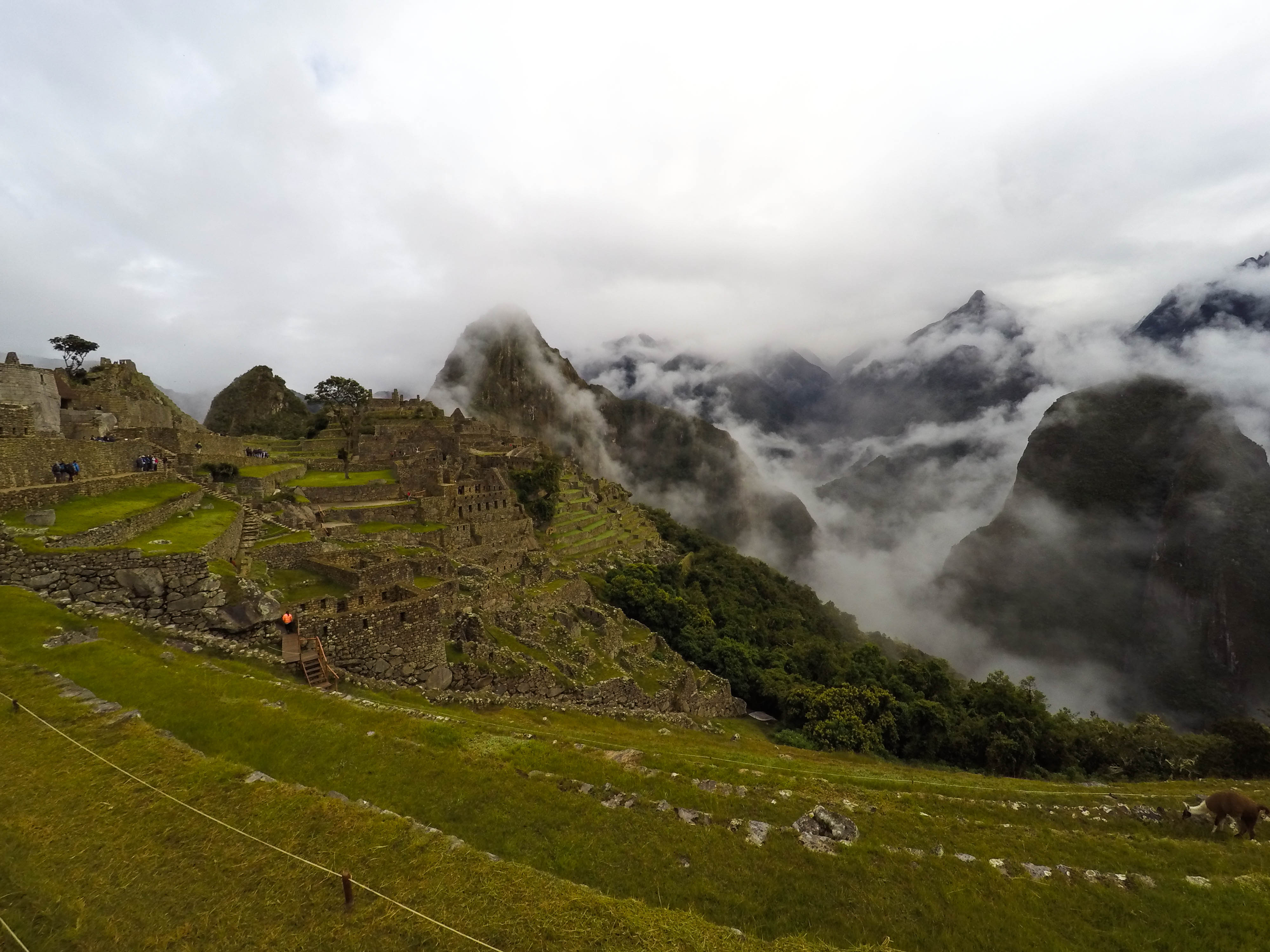
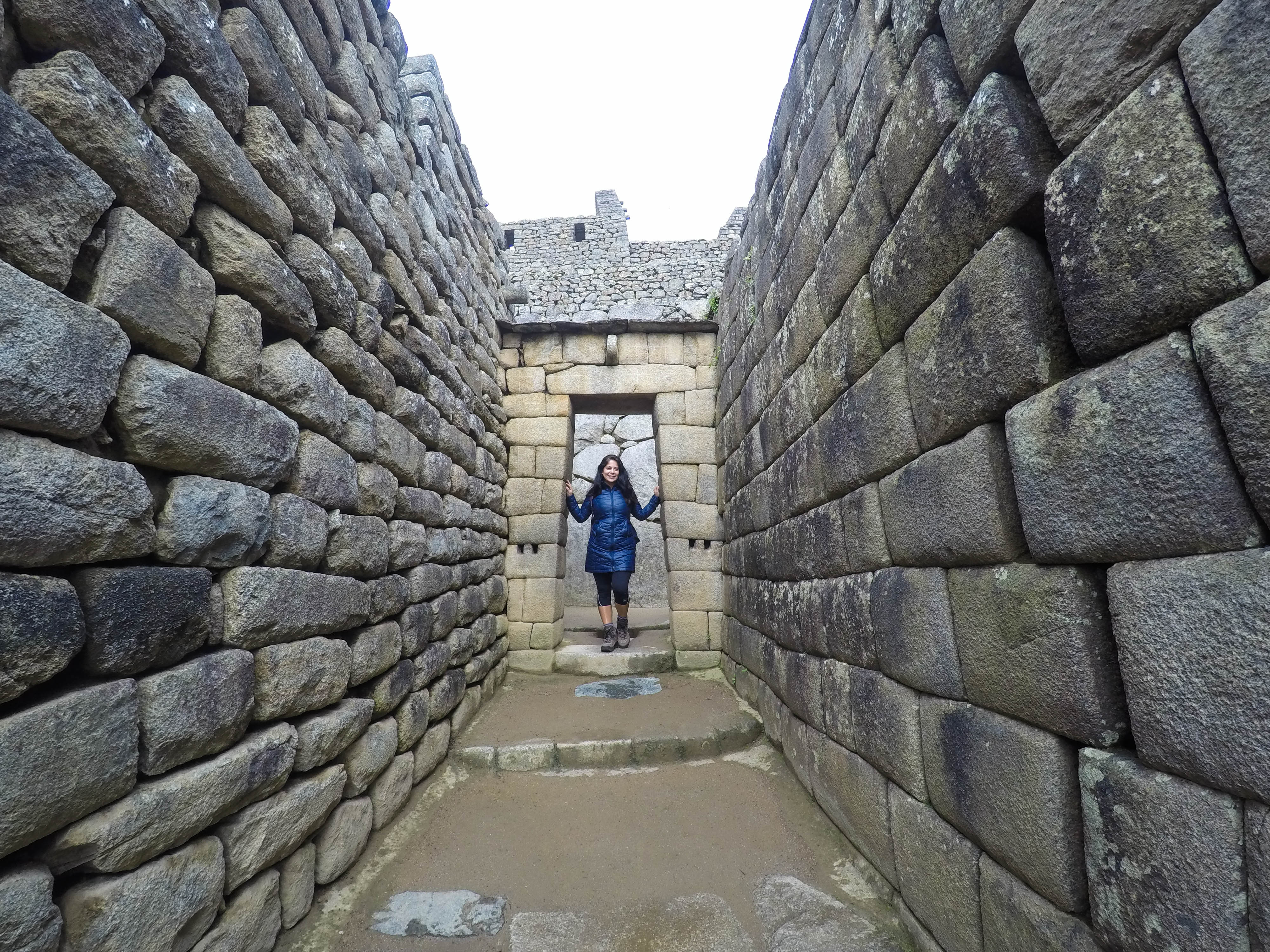
Day 5: An early morning to enter the lost city for a guided tour and enjoy more exploring on our own. After conquering the Inca Trail, in the midst of clouds, mountains, ruins, llamas and so much history, you can’t help but feel grateful to be standing before such wonder. A magical day indeed. After our visit, we enjoyed a scenic train ride along the beautiful Urubamba River to Ollantaytambo where we stayed for the night.

Day 6: Unfortunately, Enoc and others on our trip suffered from a terrible stomach virus early this morning. In fact, we started dropping like flies later that evening. Still, we managed to push forward and explore the beautiful ruins in the Sacred Valley that were absolutely stunning making it the perfect way to end this adventure.

Day 7: Cusco-dinner and goodbyes. This experience will forever be a memorable one!

DCIM100GOPROGOPR3328.

To see more incredible photos from our trek visit the Photo Gallery (click here).


We Cry For You Argentina

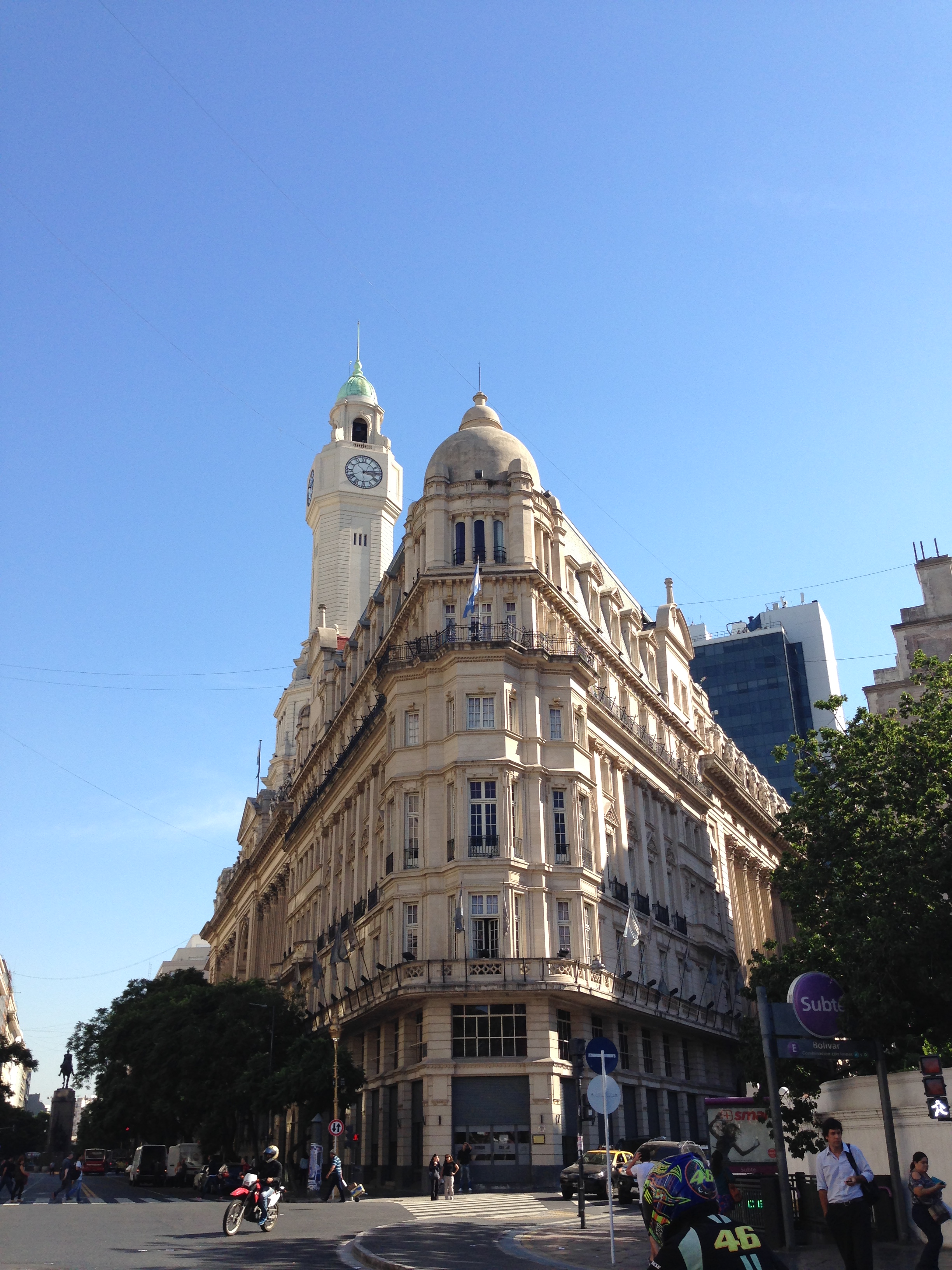
Buenos Aires is vibrant, sophisticated and attractive. Surrounded by tall trees, profound art, exceptional food, classical buildings, European charm and Latin American edge, it is no surprise why people fall in love with this city. For us, it was like finding a long lost love.

Argentina, and Buenos Aires in particular, is home to some of the most passionate and honest people we have met during our travels. Passionate because whether the topic was food, geography, authors, wine or soccer (this is when IMG_5577true colors are shown) our local friends would articulate in a way that seemed as though it was the bottom of the ninth and the bases were loaded. A bit edgy and bold, but still friendly.

We were lucky to experience this beautiful country for nearly a month and while in Buenos Aires, rented a studio flat in the most chic and creative neighborhood (barrio) of Palermo. In fact, one of the many things we love about this city are the distinct barrios that make up Buenos Aires. Each barrio offers a unique style and personal character. I would be lying if I said we didn’t have a favorite because Palermo became like home and most definitely a favorite. Only a five minute walk from the subte (train station) in Plaza Italia and another five minutes to trendy cafés, bars, restaurants, and an exciting nightlife. Does it sound appealing yet? Let me elaborate. Food, shopping, wine, book stores, music and afternoon tea all on the same street!

Needless to say, it was difficult to stay on budget but we were able to manage. Some days consisted of cooking and sitting on our balcony embracing the local lifestyle while others consisted of walking and experiencing the city. No matter how far and how long we walked, it was never boring. Here are a few things that were most impressive.

La Recoleta Cemetery- We have never seen anything like this before. It was quite incredible. You can actually tour the underground tombs, but no way! It was already a bit creepy above ground.

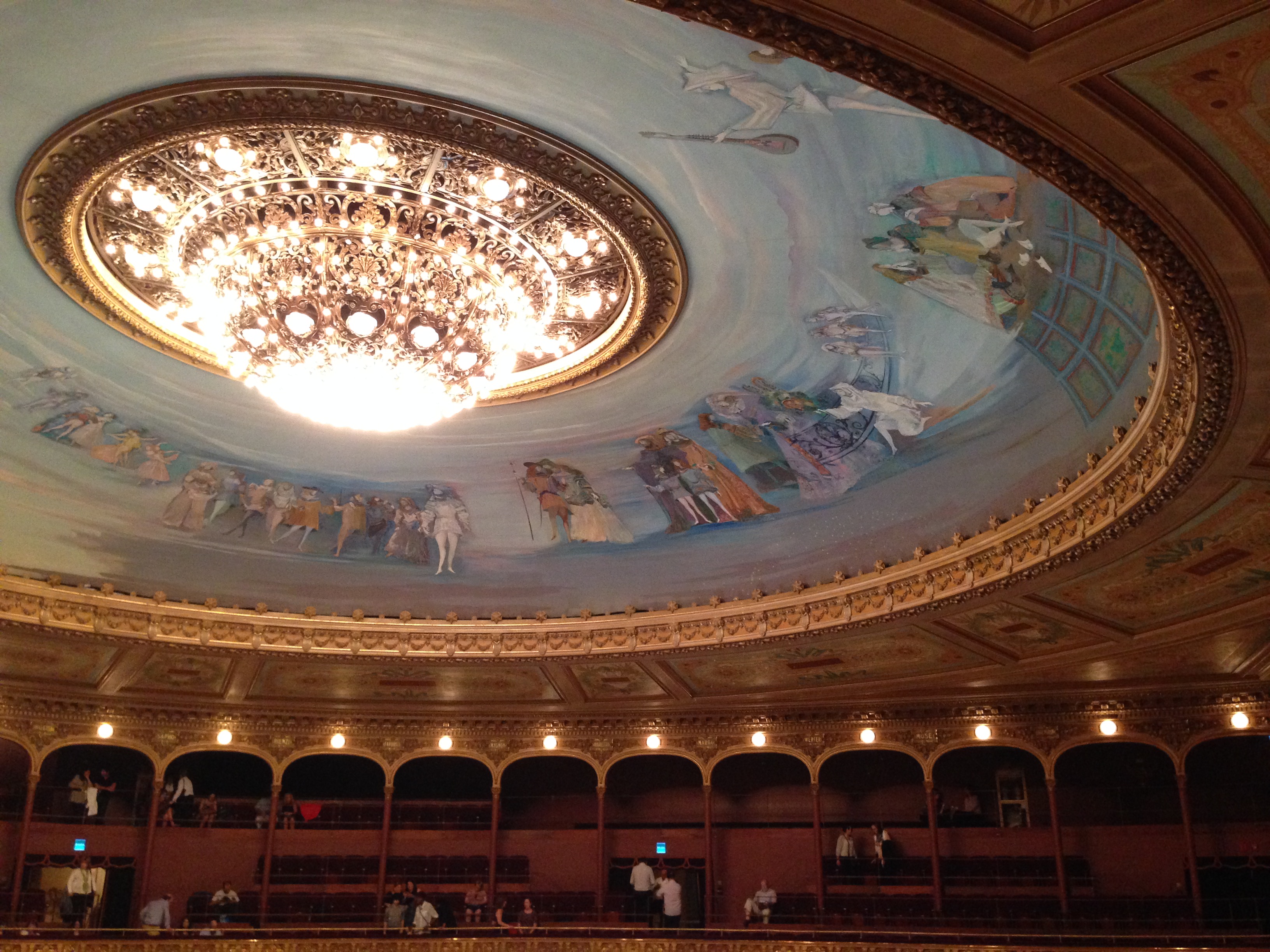
The Teatro Colón- An emotional and spectacular experience. We were so happy to get tickets for the Opera show: Werther. We now understand why this theater is ranked amongst the most famous in the world. Absolutely breathtaking.IMG_5662

Tango- A dinner show and Tango is a must when visiting Buenos Aires. Besides the passionate, precise and sexy dancing there was really not much more to it  (I think I even dropped my empanada at one point). Stunning!

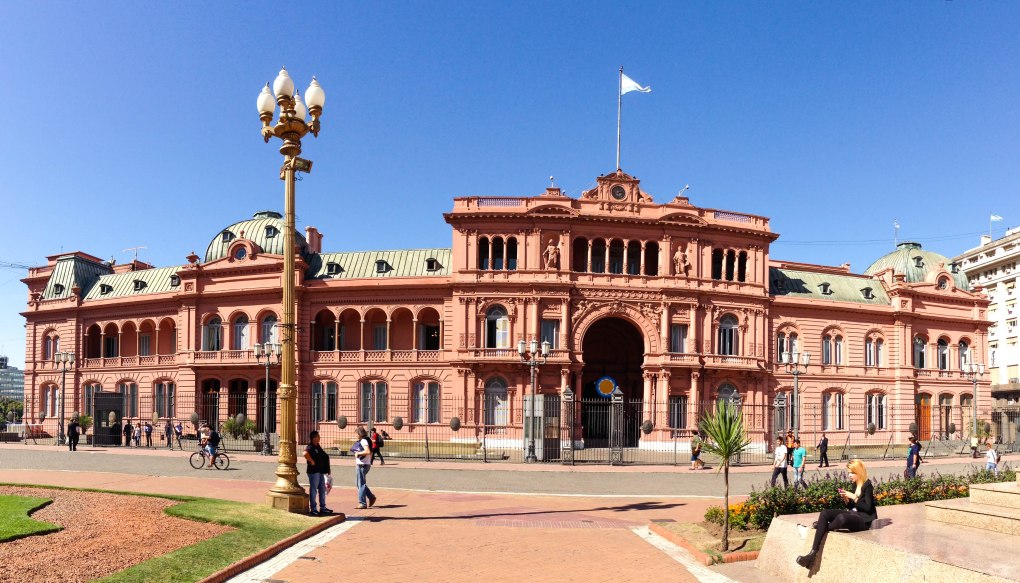
Casa Rosada (featured image) and Plaza de Mayo- Talk about a picnic spot! This 16th-century plaza is surrounded by classical and monumental buildings like the notorious Casa Rosada (presidential palace).

MALBA (Museo de Arte Latinoamericano de Buenos Aires)- The Latin American Art Museum of Buenos Aires should be at the top of your list when visiting. A modern museum that will change your perspective on art and Latin America. So inspiring!

El Ateneo Bookstore- The most beautiful bookstore we have ever seen. Enjoyed a cappuccino at the cafe/stage and lunch all amidst thousands of books displayed inside an old theater.

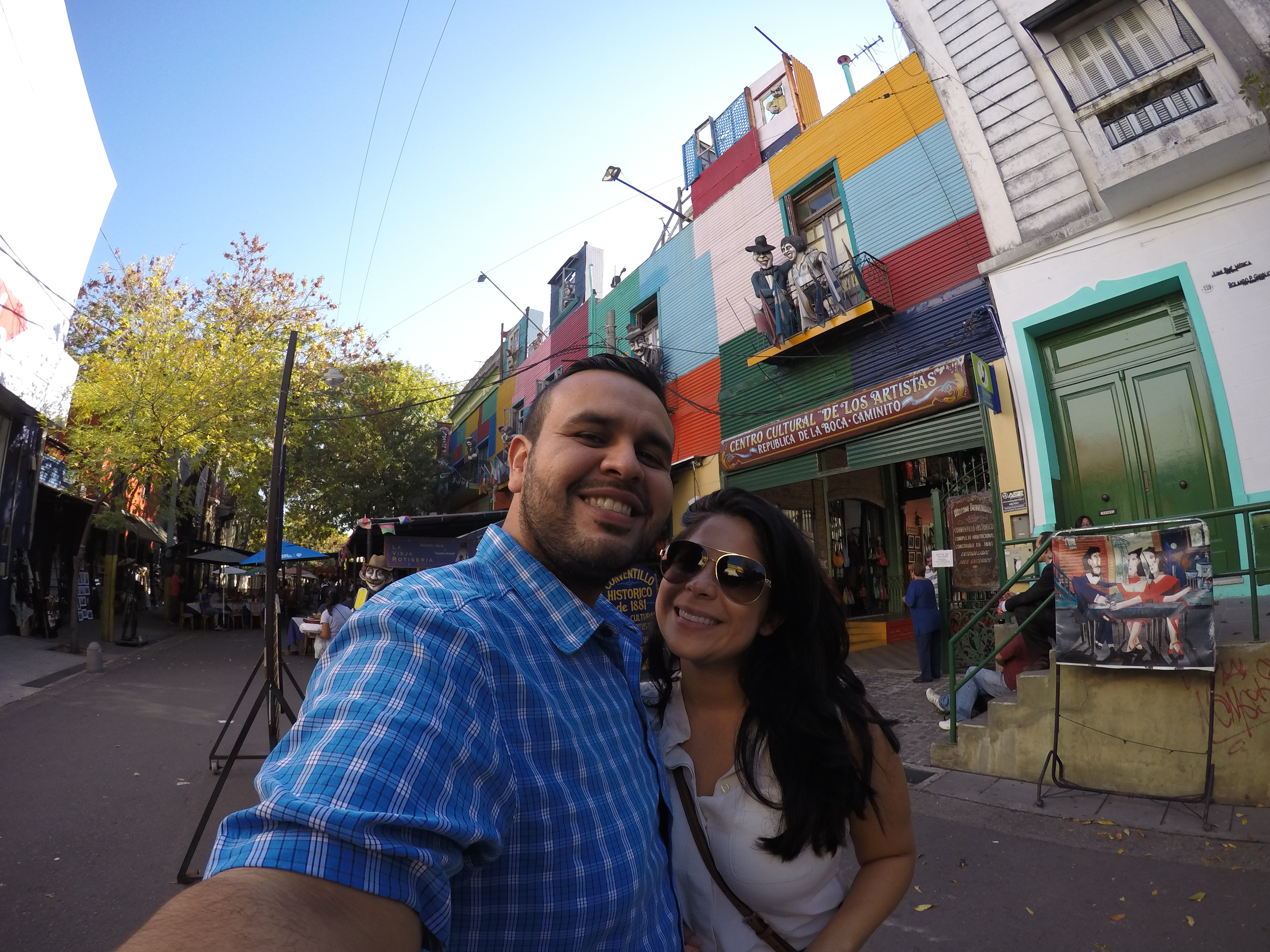
La Boca and El Caminito- An artsy and legendary walk that is not worth all the hype in our opinion. We were there for about two hours and visited the soccer stadium which was a bit more exciting than El Caminito.DCIM100GOPROGOPR1551.

Food


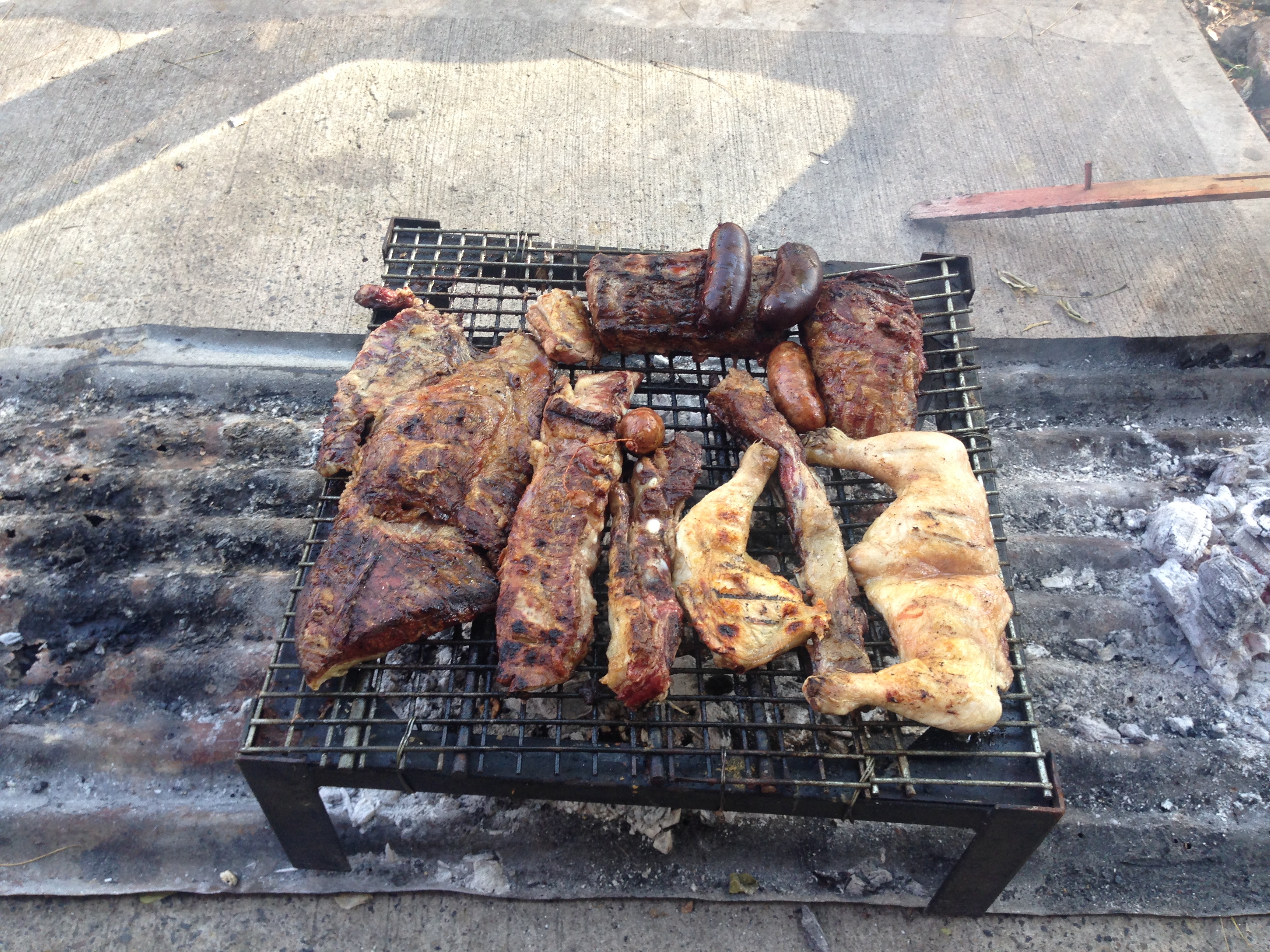
One must be a night owl when visiting Argentina. The first night we went out to dinner, we were rejected three times because restaurants were not open until 8 pm. Adjusting to this schedule was a bit complicated. So, we did what anyone else would do in our situation, added a fourth (sometimes fifth) meal. Oh, the sacrifices. Even so, it was definitely worth the wait.IMG_5602

We have never eaten so much meat in our life. Hands down, the best steaks we have ever tasted. The traditional “parrilla” (grilled on wood or charcoal fire) gives it a unique taste and a tenderness that makes the meat melt in your mouth.

In addition to the perfectly cooked steaks, the following were among our favorites.

Pizza- We were so surprised to find such delicious Pizza in Buenos Aires! Locals eat pizza with a thin slice of Fainá, a garbanzo flatbread. The traditional Fainá is quite popular in Argentina. That’s right, Carb on top of Carb! An interesting combination.

Empanadas- A complete cooked dish stuffed inside a baked (sometimes fried) savory bread! These were dangerous. Empanadas were sold across the street from our flat and snack time consisted of 2 empanadas each. Delicious!

Dulce de Leche- Although you can find it across the world, the country best known for its dulce de leche is Argentina. Even though it was a bit to sweet for our taste, we had it on a spoon, in a crepe, in ice cream, on cake…When in Rome right?

Argentina’s Malbec- Click here to see our post on Mendoza and the delicious wine.


Our first impression of South America was nothing short of amazing. Ciao Argentina! Click here to visit the photo gallery and see more pictures in Buenos Aires.


The Magical Mist of Iguazu

You may have heard, read or maybe even had the pleasure of visiting this incredible natural wonder of the world. Composed of over 275 waterfalls, the Iguazu Falls (also known as Iguazú Falls, Iguassu Falls, or Iguaçu Falls) are simply spectacular. Visiting the national park is an entirely different world and will seem like a dream. This is truly a magical and extraordinary experience that you don’t want to miss. So, if you haven’t done so already, add it to the bucket list.

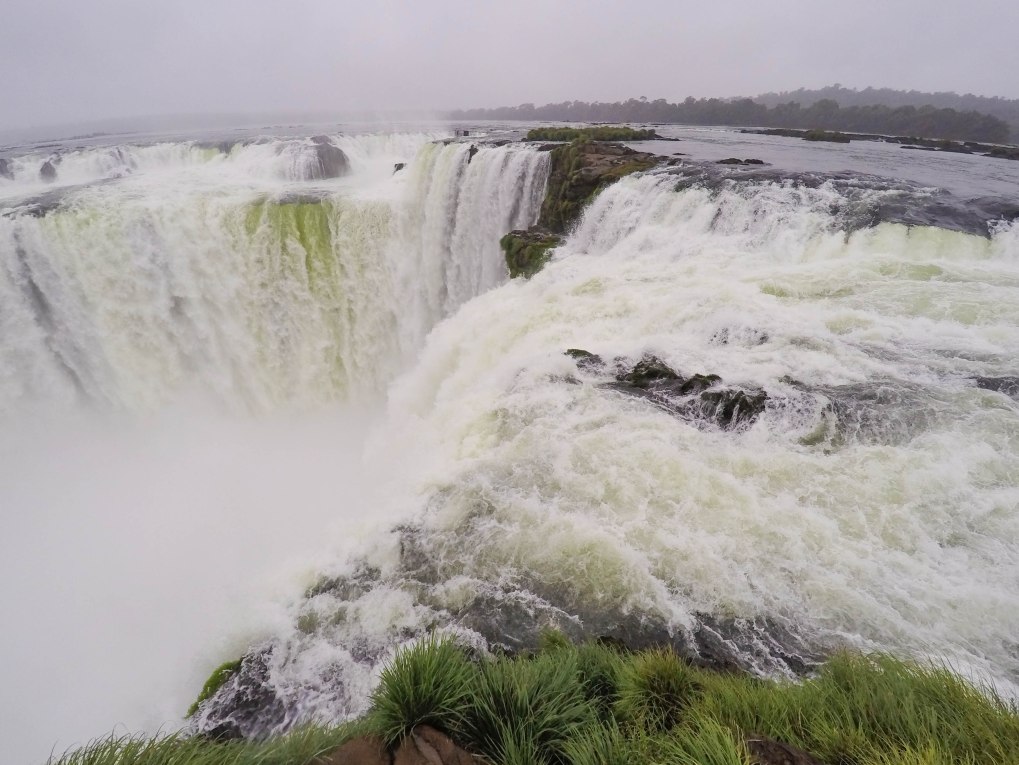
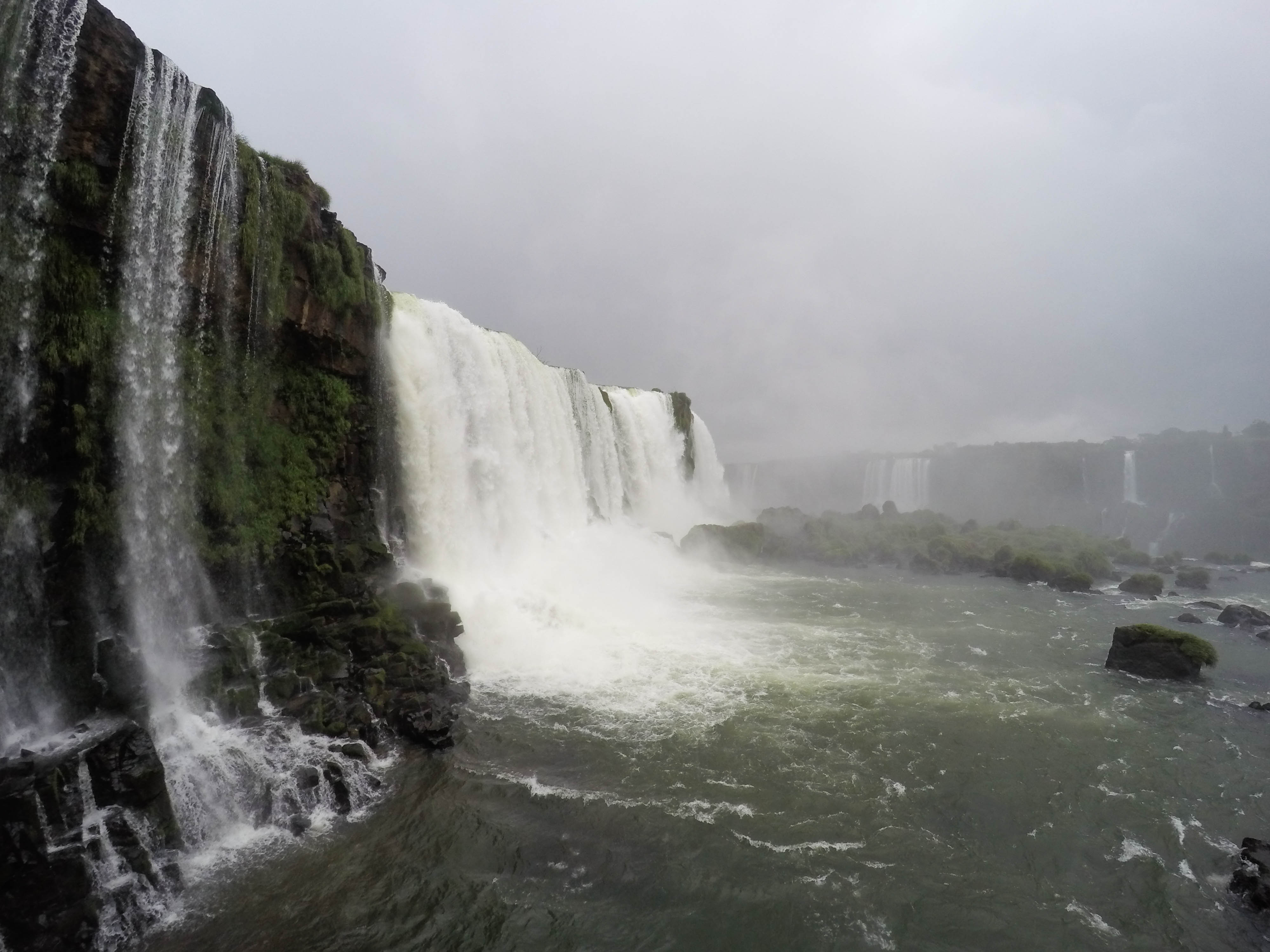
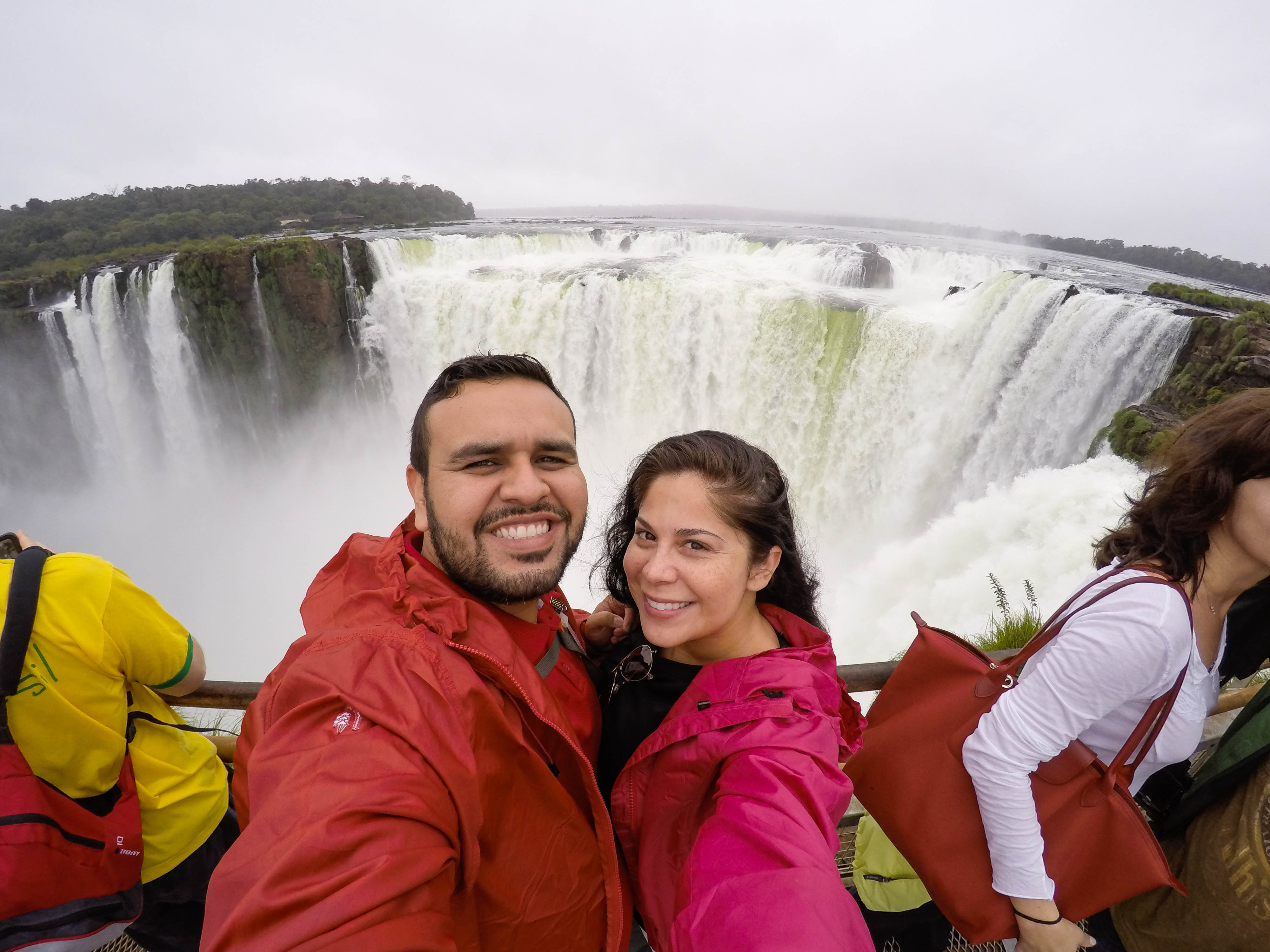
The Iguazu (meaning “big water”) Falls are waterfalls of the Iguazu River bordering three countries: Argentina, Brazil and Paraguay. Although many would agree that Argentina provides a better experience of the falls, we think visiting the Brazilian side is just as important.DCIM100GOPROG0052146. The Brazilian side presents an amazing panoramic view of the falls and allows you to get up close and personal with the Devil’s Throat (La Garganta del Diablo). This 80 meter drop with a massive combination of cascades is perhaps the most famous for tourists when visiting the park. It certainly was for us. Although you only need about three hours to be surrounded by all the cloudy mist the Brazilian side has to offer, it is worth the visit and completely different from the Argentinian side.

From the Argentinian side, you can experience the falls to the fullest and enjoy an entire day inside the national park. This side offers several trails and different viewpoints of the falls. You also have the option to get soaking wet on a boat tour that takes you through the River and under the falls. This was definitely the highlight for us. An experience we will never forget. DCIM100GOPROGOPR2268.Here are a few things you should know:

Visiting this UNESCO World Heritage Site is not cheap: We booked a three-day tour that included all transportation (excluding flights to/from Iguazu), hotel accommodations, entrance to both sides of the falls and a professional guide. The falls are in northern Argentina, so the flight from Buenos Aires can be rather expensive. There are many options to take a bus from the city as well, but it is a full 24 hours and requires time. Overall, the trip will cost about $1200 if not more.

Be mindful of Entry Requirements for each country: For US Citizens, Argentina requires a reciprocity fee of 160 USD per person to enter the country, which can be purchased online prior to arrival. Brazil is a bit more complicated for US Citizens. This country requires a visa for entrance. The visa must be processed prior to arrival and costs 160 USD per person. The bright side to this madness is that you can use these to enter/leave the country for up to ten years without having to pay again. To see stunning photos of this incredible place visit the Photo Gallery (click here).